
- Top Pick: Kikcoin 43 PCS Silicone Kitchen Utensils Set, Dishwasher Safe Kitchen Cooking Utensils Set, 446°F Spatulas Silicone Heat Resistant, Non Toxic Silicone Utensils Set With Two-Tone Grip Handles, Gray
- Best Value: Umite Chef Food Grade Thickened Silicone (Stainless Steel Core) Kitchen Gadgets Tools Set – Kitchen Cooking Utensils Set, Heat Resistant Kitchen Spatula Tools Set
- Premium Choice: Kitchen Gadgets Set 13 Piece, Essentials for Kitchen RV Camper, Blue
Disclosure: As an Amazon Associate we earn from qualifying purchases. We may receive a small commission when you buy through links on this page, at no extra cost to you. We only recommend products we genuinely believe offer value to home cooks.
As an Amazon Associate we earn from qualifying purchases at no extra cost to you.


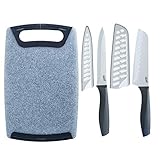


If you are just learning your way around the stove, the sheer number of essential kitchen tools for beginners on store shelves can feel overwhelming. The good news is that you do not need a drawer stuffed with single-use gadgets to cook well. A small, well-chosen core of tools will carry you through almost every weeknight recipe, from chopping vegetables to checking whether the chicken is done. This guide walks through the gadgets and utensils that actually earn their place in a beginner’s kitchen, why each one matters, and how to use it properly.
Why a Small, Smart Tool Kit Beats a Big One
Beginner cooks often assume that buying more equipment will make cooking easier. In practice, the opposite is usually true. A cluttered drawer makes it harder to find the one spatula you actually reach for, and cheap novelty gadgets tend to break, rust, or sit unused. Focus your budget on a handful of durable, multipurpose tools and you will cook more confidently and clean up faster.
Think of your starter kit in three buckets: tools for measuring, tools for prepping, and tools for cooking and serving. Cover those three areas with quality basics and you can tackle the overwhelming majority of recipes. As your skills grow, you can add specialty items for the dishes you make most. For a broader vocabulary of what each piece is called, our complete guide to kitchen utensils and their names is a helpful companion.
Measuring Tools Every Beginner Needs
Baking and many savory recipes rely on accurate measurement, so this is the first category to get right. Start with a set of dry measuring cups (typically 1 cup, 1/2 cup, 1/3 cup, and 1/4 cup), a set of measuring spoons, and at least one liquid measuring cup with a pour spout.
Dry and liquid cups are not interchangeable, even though they hold the same volume. You level dry ingredients flush with the rim, while liquids are measured at eye level against a marked line. If you are unsure which to grab, our explainer on dry vs liquid measuring cups clears it up. A small kitchen scale is an optional but powerful upgrade once you start baking regularly, since weighing flour is far more accurate than scooping it.
Prep Gadgets That Make Cooking Faster
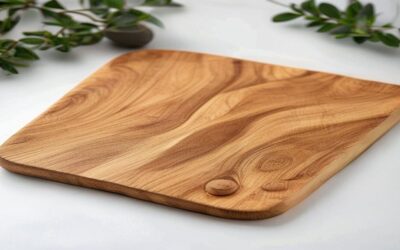
Most of the time you spend cooking is actually prep time, so good prep tools matter. The single most important purchase is a sharp chef’s knife, paired with a sturdy cutting board. A dull knife is more dangerous than a sharp one because it slips, so learning to keep an edge is worth the effort.
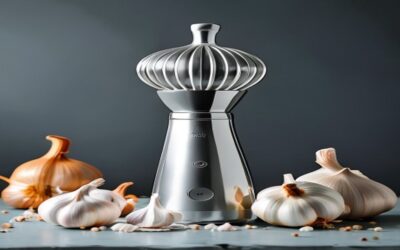
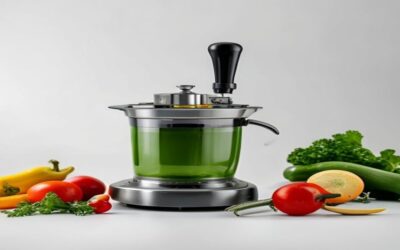
Beyond the knife, a few inexpensive gadgets save real time. A vegetable peeler, a box grater, and a set of mixing bowls cover most daily prep. If you chop a lot of onions, garlic, and peppers, a vegetable chopper can speed things up dramatically. For garlic specifically, a garlic press turns a fiddly mincing job into a one-second squeeze.
- Chef’s knife: an 8-inch blade handles almost everything.
- Cutting board: one for raw meat, one for produce, to avoid cross-contamination.
- Peeler and grater: quick work of vegetables and cheese.
- Mixing bowls: a nested set saves drawer space.
Cooking and Stirring Utensils
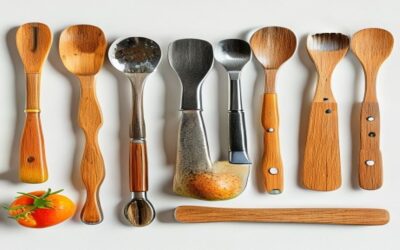
Once food hits the pan, you need the right utensils to move it around without scratching your cookware. A flexible turner (fish spatula or slotted turner), a couple of wooden spoons, a pair of tongs, and a silicone spatula form a versatile core set.
Material matters here. Wooden and silicone utensils are gentle on nonstick surfaces, while stainless steel is durable but can scratch coatings. If you are weighing your options, see our breakdown of the best kitchen utensil material to match the tool to your pans.
The One Tool Beginners Skip and Shouldn’t
If there is a single underrated gadget for new cooks, it is an instant-read thermometer. Guessing whether meat is cooked through is the leading cause of both dry chicken and food-safety worries. A thermometer removes the guesswork entirely. Learn the right technique in our guide on how to use a meat thermometer correctly, and you will never serve undercooked or overcooked protein again.
Storing and Organizing Your New Tools
A starter kit is only useful if you can find everything quickly. Keep your most-used utensils upright in a crock near the stove, and use a drawer organizer to corral the rest. Our tips on organizing kitchen drawers like a pro will help you set up an efficient layout from day one, even in a small kitchen.
Frequently Asked Questions
How much should a beginner spend on kitchen tools?
You can assemble a capable starter kit without spending a fortune. Prioritize a good chef’s knife and a reliable cutting board, since those affect every meal, and choose mid-range basics for the rest. Skip novelty single-use gadgets until you know you will actually use them.
What is the most important kitchen tool for a beginner?
A sharp chef’s knife is the most important tool, because nearly every recipe starts with chopping or slicing. A sharp blade is safer and faster than a dull one, so keeping it honed is just as important as buying a good knife in the first place.
Do I need both dry and liquid measuring cups?
Yes. While they hold the same volume, their shapes are designed for different jobs. Dry cups let you level off solids cleanly, and liquid cups let you read the level accurately without spilling. Using the right type improves your results, especially in baking.
Are wooden or silicone utensils better for beginners?
Both are gentle on cookware and beginner-friendly. Wooden utensils are sturdy and classic but need hand washing, while silicone is dishwasher-safe and heat-resistant. Many cooks keep a mix of both so they always have the right tool on hand.
How many utensils do I really need to start?
A core of about eight to ten items covers most cooking: a chef’s knife, cutting board, measuring cups and spoons, mixing bowls, a turner, a wooden spoon, tongs, a silicone spatula, and a thermometer. Add specialty tools only as specific recipes call for them.

Write Your Review
No reviews yet. Be the first to share your experience!