
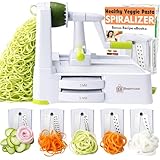
- Top Pick: Brieftons 5-Blade Vegetable Spiralizer & Veggie Noodle Maker: Japanese 420-Grade Steel Blades for Zucchini Pasta, Sweet Potato & Beet Noodles, Strong Suction Pad, 4 Recipe eBooks | Keto Vegan Paleo
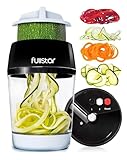
- Best Value: Brieftons 10-Blade Vegetable Spiralizer: Zoodle Maker & Veggie Noodle Maker, Potato String & Curly Fry Cutter, Japanese Steel Blades, Catch Container, Strong Suction Pad, 4 eBooks | Keto, Vegan, Paleo
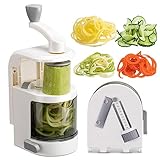
- Premium Choice: Brieftons 7-Blade Vegetable Spiralizer: Veggie Noodle Maker with Curly Fry & Crinkle Chip Blades, Catch Container, Keep-Fresh Lid, Blade Caddy, 4 eBooks | Low Carb, Vegan, Gluten-Free, Keto, Paleo
Disclosure: As an Amazon Associate we earn from qualifying purchases. We may receive a small commission when you buy through links on this page, at no extra cost to you. We only recommend products we genuinely believe offer value to home cooks.
As an Amazon Associate we earn from qualifying purchases at no extra cost to you. Product prices and availability are accurate as of the date shown and are subject to change.



A spiralizer transforms firm vegetables into long, curly strands that stand in for pasta, top salads, or add crunch to stir-fries. Learning how to use a spiralizer well is mostly about choosing the right produce, prepping it correctly, and matching the blade to the noodle you want. Whether you have a countertop crank model or a small handheld cone, the fundamentals are the same. This guide covers blade selection, the best vegetables, step-by-step technique, and how to keep your noodles from turning into a soggy pile.
Types of Spiralizers
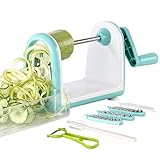
There are three common styles. Crank or horizontal models clamp to the counter and use a hand crank to push produce against a blade; they handle large, hard vegetables with ease and produce the longest strands. Vertical or “tower” models stand upright and press food straight down onto the blade, saving counter space. Handheld spiralizers look like a large pencil sharpener and are cheapest, best for soft vegetables and small batches. If you are weighing a spiralizer against other prep gadgets, our roundup of best vegetable choppers is a useful companion read.
Choosing the Right Blade
- Spaghetti blade: thin, round-ish noodles, the default for “zoodles” and carrot noodles.
- Fettuccine or wide blade: flatter, broader ribbons that hold heavier sauces.
- Ribbon blade: produces wide, flat spirals like pappardelle, great for salads and slaws.
Start with the spaghetti blade, which is the most versatile, and branch out once you know which textures you like.
Best Vegetables for Spiralizing
The ideal vegetable is firm, dense, and at least a couple of inches thick, with a solid core and no large seed cavity. Top performers include zucchini, carrots, sweet potatoes, beets, daikon, cucumber, and firm apples. Avoid anything soft, watery, or hollow: tomatoes, eggplant, and very ripe produce simply mush. Long, straight specimens spiralize more cleanly than curved or knobby ones, so pick the straightest carrots and zucchini you can find. Center the vegetable on the blade as squarely as possible for even strands.
Step by Step: Making Veggie Noodles
- Wash and trim. Scrub the vegetable, then cut both ends flat so they sit squarely against the blade and the holder.
- Cut to length. Trim very long vegetables to about four to five inches so they fit the spiralizer and stay manageable.
- Peel if needed. Peel tough or waxy skins (like beets or older zucchini); thin skins can usually stay on for color and fiber.
- Secure and crank. Press the flat end firmly onto the prongs, line up the core with the center, and turn the crank or press down with steady, even pressure.
- Trim long strands. Snip the noodles every so often with kitchen scissors so they don’t tangle into one endless coil.
Cooking and Serving Veggie Noodles
Most vegetable noodles need very little cooking; overcooking is the number one cause of disappointing, watery zoodles. For zucchini, a quick two to three minute saute or even a raw toss with warm sauce is plenty. To reduce wateriness, salt raw zucchini noodles lightly, let them sit on a towel for ten minutes, then pat dry before cooking. Heartier vegetables like sweet potato and beet take a few minutes longer and can be roasted or sauteed until just tender. Serve immediately, because vegetable noodles continue to release water as they sit.
Avoiding Common Spiralizer Mistakes
A few habits separate clean, long strands from a frustrating mush. First, do not rush the crank; pressing too hard or too fast against a hard vegetable like sweet potato can snap the strands and strain the gears. Second, keep the vegetable centered on the blade, because an off-center core produces short, broken pieces and wastes the middle of the vegetable. Third, choose produce that is straight and uniformly thick; a curved carrot or a zucchini that tapers to a point will spiralize unevenly and leave a large unusable nub. Finally, resist over-prepping: spiralize close to when you plan to cook, since cut surfaces oxidize and soften over time. With practice the motion becomes second nature, and you will get clean ribbons from nearly any firm vegetable. A common beginner reflex is to keep loading shorter and shorter stubs onto the prongs; instead, set those leftover ends aside to dice or grate, which gives cleaner results and keeps your hands well clear of the blade. The same care in matching the tool to the task applies across your prep gadgets, where the right gadget for each job saves both time and frustration.
Cleaning and Storing Your Spiralizer
Rinse the blades right after use, before pulp dries into the small slots. Use the cleaning brush that came with the unit, or an old toothbrush, to clear the cutting teeth, and always handle blades by their frame, not the edge. Many crank models break down into a few dishwasher-safe parts. Dry everything fully and store the blades in their case so the edges stay sharp and safe; a slotted drawer or bin from our drawer organizer guide keeps the parts together. Raw spiralized vegetables keep for a couple of days in an airtight container in the fridge, ideal for meal prep.
Frequently Asked Questions
Why do my zucchini noodles get watery?
Zucchini is mostly water, and heat plus salt draws it out. Salt the raw noodles, rest them on a towel, pat dry, and cook briefly over higher heat so excess moisture evaporates rather than pooling.
Can I spiralize without a core or seeds getting in the way?
Choose dense, solid vegetables without a hollow center. Seedy or pithy produce like overripe zucchini or tomatoes won’t hold a spiral, so reserve those for other recipes.
Do I need a crank model or is handheld enough?
Handheld units are fine for occasional zucchini or carrot noodles. If you spiralize hard vegetables like sweet potato and beet regularly, a sturdy crank model is far less work and produces longer strands.
Can I eat veggie noodles raw?
Yes. Zucchini, cucumber, carrot, and apple spirals are excellent raw in salads and slaws. Beets and sweet potatoes are better lightly cooked for flavor and digestibility.
What else can a spiralizer do besides noodles?
Use the ribbon blade for curly garnishes, slaws, and even apple or potato spirals for baking. It is a flexible prep tool, much like the multitaskers in our vegetable chopper lineup.

Write Your Review
No reviews yet. Be the first to share your experience!