
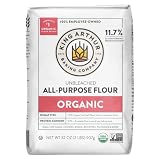
- Top Pick: King Arthur 100% Organic All-Purpose Flour, Unbleached, 2 lb (Pack of 1) – Non-GMO Project Verified, No Preservatives
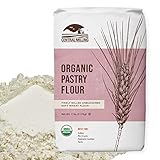
- Best Value: Pereg Fine Pastry Flour (16 oz) – 100% Soft White Wheat – Suitable for Baking, Cookies, Pastries, Croissants, Pie Crust – 9% protein – Non-GMO & Vegan
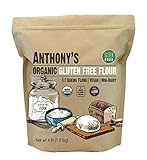
- Premium Choice: Anthony's Organic Gluten Free Flour, 4 lb, Multipurpose 1 to 1 Baking Flour, Non Dairy, Product of USA
Disclosure: As an Amazon Associate we earn from qualifying purchases. We may receive a small commission when you buy through links on this page, at no extra cost to you. We only recommend products we genuinely believe offer value to home cooks.
As an Amazon Associate we earn from qualifying purchases at no extra cost to you.



If your cookies spread into greasy puddles or your bread comes out dense and dry, the culprit is often something simple: too much or too little flour. Learning how to measure flour correctly for baking is one of the highest-impact skills a home baker can develop, because flour is the structural backbone of almost everything you bake. This guide explains why flour is so easy to mismeasure and walks through the right techniques, from the spoon-and-level method to weighing with a scale.
Why Flour Is So Easy to Get Wrong
Flour is deceptively compressible. Scoop a measuring cup straight into the bag and you compact the flour, packing in far more than the recipe intended, sometimes 20 percent or more. That extra flour soaks up moisture and fat, leaving baked goods dry, tough, or crumbly. The same cup measured a gentler way can hold noticeably less.
This is the core problem with volume measurement: a cup of flour is not a fixed amount, because how you fill the cup changes the result. That variability is why professional bakers weigh their flour, and why understanding the right scooping technique matters so much if you measure by volume. For the bigger picture on measuring tools, see our guide to measuring cups vs spoons.
The Spoon-and-Level Method
If you are measuring by volume, the spoon-and-level method is the gold standard. It gives you a consistent, recipe-accurate amount without special equipment. Here is how to do it:
- Fluff the flour first. Stir the flour in its bag or container with a spoon to loosen it, since flour settles and compacts during storage.
- Spoon it into the cup. Use a spoon to lightly transfer flour into your dry measuring cup, letting it mound above the rim. Never dip the cup into the bag.
- Level it off. Drag the flat back of a knife or a straight edge across the top of the cup to sweep away the excess in one clean motion.
- Do not tap or pack. Tapping the cup settles the flour and packs in more than you want.
This method is reliable and the reason most quality recipes that use cups assume you are spooning and leveling. Make sure you are using true dry measuring cups, not a liquid measuring cup, since dry cups are designed to be leveled.
Weighing Flour: The Most Accurate Way
The single best way to measure flour is by weight using a kitchen scale. Weight does not care how packed or fluffy the flour is, so it eliminates the biggest source of error entirely. Most reliable recipes that list grams use 120 to 125 grams as the standard for one cup of all-purpose flour, though this can vary by recipe, so always follow the weight your specific recipe gives.
To weigh flour, place your bowl on the scale, press the tare button to zero it out, and spoon flour in until you hit the target weight. It is faster than it sounds and means one fewer cup to wash. Our guide on how to use a kitchen scale for baking covers the technique in detail, and our cups-to-grams conversion guide helps you translate volume recipes into weights.
Common Flour Measuring Mistakes
Even careful bakers fall into a few traps. Avoid these and your results will improve immediately:
- Scooping straight from the bag compacts the flour and adds too much.
- Tapping or shaking the cup to level it packs the flour down.
- Using a liquid cup for flour makes leveling impossible and invites overfilling.
- Skipping the fluff step means you measure dense, settled flour.
If you find yourself without the right cup, our guide on measuring without measuring cups offers spoon-based workarounds, and our how to measure 3/4 cup tutorial helps with partial amounts.
Does the Type of Flour Change How You Measure?
The technique stays the same across flour types, but the weight of a cup does not. Cake flour is lighter and fluffier than bread flour, so a cup of each weighs a different amount. This is yet another reason weighing is more reliable than volume when you switch between flours. When a recipe specifies a flour type, use that type and the weight it provides rather than substituting and hoping the volume matches.
How Flour Storage Affects Your Measurements
Where and how you store flour quietly influences every measurement you take. Flour settles and compacts over time, so flour straight from a tightly packed bag is denser than freshly milled flour. This is exactly why the fluff step matters: stirring re-aerates the flour to a more consistent state before you measure. Flour stored in a deep, narrow container compacts more under its own weight than flour in a shallow, wide bin.
Humidity plays a role too. Flour readily absorbs moisture from the air, and damp flour weighs more and clumps, which throws off both volume and weight measurements. Storing flour in an airtight container in a cool, dry spot keeps it free-flowing and consistent. If your kitchen runs humid, weighing becomes even more valuable, since a scale still reads the true amount even when the flour has taken on a little moisture. Good storage habits and a good measuring method work together to give you repeatable baking results.
Frequently Asked Questions
What is the correct way to measure flour with cups?
Fluff the flour to loosen it, spoon it lightly into a dry measuring cup until it mounds over the top, then level it off with a straight edge. Never scoop the cup directly into the bag, since that compacts the flour and adds too much.
How much does a cup of flour weigh?
A cup of all-purpose flour typically weighs about 120 to 125 grams when measured correctly, though recipes vary. Always use the gram weight your specific recipe provides, since different flours and authors use slightly different standards.
Is it better to weigh flour or measure by cups?
Weighing is more accurate because it is unaffected by how packed the flour is, which is the main cause of baking failures. A kitchen scale removes that variability, making it the preferred method for consistent results, especially in baking.
Why do my baked goods come out dry?
The most common cause is too much flour, usually from scooping the cup straight into the bag and compacting it. Switching to the spoon-and-level method or weighing your flour typically fixes dry, dense, or crumbly results.
Should I sift flour before measuring?
Only if the recipe tells you to, and pay attention to the order. “One cup sifted flour” means sift first, then measure, while “one cup flour, sifted” means measure first. Sifting aerates flour and changes the volume, so follow the recipe’s wording.

Write Your Review
No reviews yet. Be the first to share your experience!