
- Top Pick: Kitessensu High Effective Garlic Press With Studs, Heavy Duty Garlic Mincer, Easy to Squeeze and Clean, Rust Proof, Ginger Crusher- Imperial Silver
- Best Value: GORILLA GRIP Garlic Peeler and Press Set, Heavy Duty Mincer, Black
- Premium Choice: COKORA Garlic Press, Premium Metal Garlic Crusher & Mincer Tool, Zinc Alloy
Disclosure: As an Amazon Associate we earn from qualifying purchases. We may receive a small commission when you buy through links on this page, at no extra cost to you. We only recommend products we genuinely believe offer value to home cooks.
As an Amazon Associate we earn from qualifying purchases at no extra cost to you. Product prices and availability are accurate as of the date shown and are subject to change.


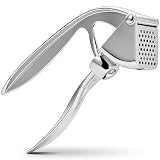
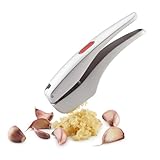

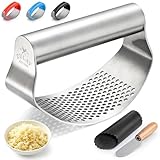


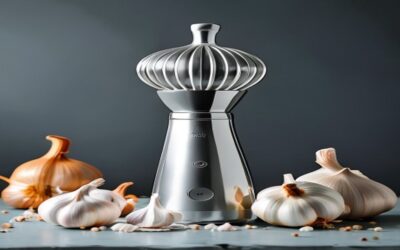
Learning how to use a garlic press is one of the quickest ways to speed up everyday cooking. Instead of peeling, smashing, and finely chopping cloves by hand, a garlic press crushes them into an even paste in seconds, releasing far more flavor than a knife. The catch is that many cooks never get the technique right, and even fewer clean the press properly, which is why presses so often end up forgotten in a drawer. This guide walks through the whole process: choosing the right press, prepping your garlic, pressing efficiently, and cleaning out every last bit of pulp.
Why Use a Garlic Press at All?
A garlic press forces cloves through a grid of small holes, rupturing far more of the plant’s cells than a knife does. Those ruptured cells release allicin, the compound responsible for garlic’s pungent aroma and bite. The result is a stronger, more evenly distributed garlic flavor that melts into sauces, dressings, and marinades without leaving stray chunks. A press is also faster and cleaner than mincing by hand, and it keeps the sharp smell off your fingers and cutting board. If you cook with garlic several times a week, it is one of the highest-value gadgets you can own. For a broader look at how presses fit alongside other prep tools, see our guide to kitchen utensils and their names.
Do You Need to Peel the Garlic First?
This is the most common question, and the answer depends on your press. Most quality presses are designed to work with the skin on: the flesh squeezes through the holes while the papery skin stays behind in the chamber. This saves the fiddly job of peeling individual cloves. However, cheaper or low-powered presses struggle with skin-on cloves and can jam, so if yours feels stiff, peel first. A quick way to loosen skins is to press down on the clove with the flat of a knife or the bottom of a jar, which cracks the skin so it slips off easily.
Step by Step: How to Press Garlic
- Trim the root end. Slice off the hard nub at the base of the clove so nothing blocks the holes.
- Place one or two cloves in the chamber. Overloading the basket makes the handle hard to squeeze and leaves garlic only partly crushed. One large clove or two small ones at a time is ideal.
- Squeeze with steady pressure. Hold the press over your pan or bowl and close the handles in one smooth motion. Rock the press slightly if you feel resistance rather than forcing it.
- Scrape the underside. A surprising amount of paste clings to the bottom of the plate. Run a knife or spoon edge across the holes to collect it.
- Discard the skin and pulp. Open the chamber, flip out the flattened skin, and you are ready for the next clove.
Getting the Most Flavor
Timing matters more than people realize. Pressed garlic continues to develop allicin for a few minutes after crushing, so pressing it a little ahead of cooking gives a fuller flavor. On the other hand, raw pressed garlic is intense, so if you want a milder result, add it earlier in the cooking process to let the heat tame it. For dressings and dips where garlic stays raw, a quick rest of five to ten minutes mellows the sharpest edge. Because a press produces a paste rather than chunks, you usually need slightly less garlic than a recipe calls for when it specifies minced cloves.
How to Clean a Garlic Press
Cleaning is where most presses fail their owners, because dried garlic pulp cements itself into the holes. The trick is to rinse immediately, before the residue dries. Hold the press under running water right after use and use the cleaning tool if yours came with one, a small plastic comb with teeth that poke through each hole. No comb? An old toothbrush, a skewer, or a stiff dish brush works just as well. Push out the pulp from the back, scrub the chamber, and rinse. For a deeper clean, soak the press in warm soapy water for a few minutes to soften stubborn bits, then brush. Most stainless steel presses are dishwasher safe, but check the manufacturer’s note, and even then a quick pre-rinse stops gunk baking on during a long cycle.
Storage and Maintenance
Dry the press fully before storing to prevent water spots and any chance of rust on cheaper alloys. Because of its hinge and basket, a press is awkward to store loose, so a slotted drawer setup helps; our roundup of best kitchen drawer organizers shows layouts that keep gadgets like this tidy and reachable. If the hinge ever stiffens, a single drop of food-safe mineral oil at the pivot keeps it moving smoothly. Inspect the holes periodically for trapped debris that rinsing alone misses.
When a Press Is Not the Right Tool
A garlic press shines for paste and fine mince, but it is not ideal for recipes that want distinct garlic pieces, such as roasted garlic cloves or dishes where you fish the garlic out later. For those, a knife or even a rough chop with a fast vegetable chopper vegetable chopper makes more sense. Knowing when to reach for which tool is half of efficient prep, much like choosing between wood, silicone, and steel tools depending on the job.
Frequently Asked Questions
Can I press ginger in a garlic press?
Yes. Fresh ginger, peeled and cut to fit the chamber, presses into a juicy pulp that works beautifully in stir-fries and dressings. Fibrous older ginger may leave strings behind in the basket.
Why does my garlic press jam?
Usually the clove is too large, the root end was not trimmed, or the press is underpowered for skin-on cloves. Use smaller pieces, trim the base, and peel first if the handle still resists.
Is pressed garlic stronger than minced?
Yes, noticeably so. Pressing ruptures more cells and releases more allicin, so the same clove tastes sharper pressed than chopped. Reduce the quantity slightly if you find it overpowering.
Are stainless steel or zinc-alloy presses better?
Stainless steel resists corrosion and odor better and tends to last longer, while zinc-alloy presses are cheaper but can pit over time. Whatever the material, the key safety traits are the same ones we cover in safe kitchen utensils.
Can a garlic press go in the dishwasher?
Many can, but always rinse out pulp first so it does not bake into the holes, and check that the handle material is dishwasher rated. Hand washing with a brush is the most reliable way to keep the holes clear.


Write Your Review
No reviews yet. Be the first to share your experience!