
- Top Pick: ROYAL CRAFT WOOD Wooden Cutting Boards for Kitchen Appliances – Non Toxic Bamboo Wood Cutting Board Set with Deep Juice Groove, Side Handles, Charcuterie & Butcher Block for Meat, Meal Prep & Serving
- Best Value: Kikcoin 17"×11" Bamboo Cutting Boards for Kitchen, Knife-Friendly Food Grade Wooden Cutting Boards for Kitchen, Charcuterie, Extra Large Chopping Boards with Deep Juice Groove, Reversible, Natural
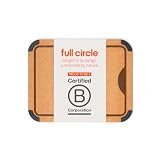
- Premium Choice: Full Circle Better-Than-Wood Everyday Cutting Board, 11”x14"
Disclosure: As an Amazon Associate we earn from qualifying purchases. We may receive a small commission when you buy through links on this page, at no extra cost to you. We only recommend products we genuinely believe offer value to home cooks.
As an Amazon Associate we earn from qualifying purchases at no extra cost to you.





Few kitchen debates are as long-running as wooden vs plastic cutting boards. Both are everywhere, both are affordable, and both have passionate fans who insist their choice is safer, kinder to knives, or easier to clean. The truth is that each material has clear strengths and real drawbacks. This guide compares wood and plastic on hygiene, knife care, durability, and maintenance so you can pick the right board, or decide to keep one of each.
The Hygiene Question
Hygiene is the heart of the wood-versus-plastic argument. Plastic boards have long been recommended for raw meat because they are non-porous and can go in the dishwasher, where high heat sanitizes the surface. That dishwasher cleaning is a genuine advantage for anyone worried about bacteria from poultry or fish.
Wood, however, is not the hygiene loser many assume. Research has shown that wood has natural antimicrobial properties and tends to draw bacteria below the surface, where they die off rather than transfer to the next food. The catch is that wood cannot go in the dishwasher and must be hand washed and dried. The safest approach with either material is to keep a dedicated board for raw meat, an idea covered in our guide to the safest kitchen utensils.
Which Is Kinder to Your Knives?
Here wood has a clear edge. A wooden board has a slight give that cushions the blade as it strikes, helping your knives stay sharp longer. Plastic is harder, and over time it dulls edges faster. If you have invested in a good chef’s knife, a wood or end-grain board will protect that investment.
Be aware that not all plastic is equal, and not all wood is gentle. Very hard woods such as some bamboo boards can be tougher on edges than softer maple or walnut. If you are building out your prep station, our list of essential kitchen tools explains how a quality board and knife work as a pair.
Durability and Knife Marks
Plastic boards are lightweight and cheap to replace, but they scar easily. Deep knife grooves accumulate over time and can trap food particles, which is why plastic boards eventually need replacing once the surface is heavily scored. Wood is more forgiving: minor cuts tend to close back up, and a wooden board can be sanded smooth to extend its life by years.
- Plastic: inexpensive, dishwasher-safe, but scars and warps over time.
- Wood: long-lasting and repairable, but heavier and needs hand care.
- Both: should be replaced or resurfaced once grooves become deep and hard to clean.
Maintenance and Care
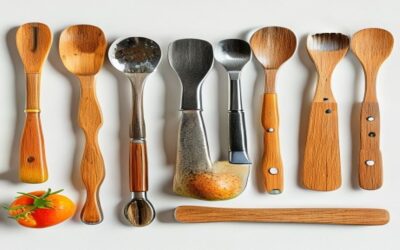
Plastic is the low-maintenance option: wash it, run it through the dishwasher, and it is ready. Wood demands a little ritual. To keep a wooden board from drying out and cracking, you need to oil it periodically with a food-safe mineral oil and never let it soak in water. Our step-by-step guide on how to season and care for a wooden cutting board walks through the whole routine, and the same conditioning logic applies to your wooden kitchen utensils.
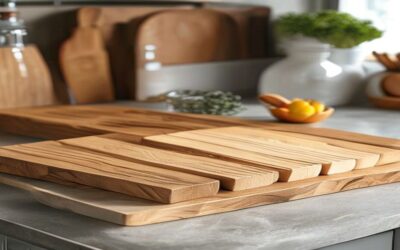
Storage matters too. Standing boards on edge so air circulates prevents trapped moisture and warping. Our tips on storing cutting boards neatly show easy ways to keep boards dry and within reach.
So, Which Should You Choose?
For most home cooks, the best answer is one of each. Use a dishwasher-safe plastic board for raw meat, poultry, and fish, where heat sanitizing offers peace of mind. Use a wooden board for produce, bread, and everyday chopping, where its knife-friendly surface and good looks shine. If you can own only one, a well-maintained wooden board is the more durable, knife-protecting long-term investment, provided you are willing to hand wash and oil it.
Bamboo and Composite Boards: Where Do They Fit?
The wood-versus-plastic debate has expanded as newer materials appear on store shelves. Bamboo is technically a grass, not a wood, but it behaves much like a hardwood board: it is lightweight, sustainable, and attractive. The trade-off is that bamboo is quite hard, which can be a little tougher on knife edges than soft maple, and it sometimes contains glue lines that need the same oiling care as wood.
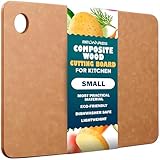
Composite boards, often made from resin-infused wood fiber, aim to combine the best of both worlds. They are dishwasher-safe and non-porous like plastic, yet denser and more knife-friendly than ordinary plastic. They cost more and can feel heavy, but many cooks like them as a single do-everything board. Whichever modern material you consider, judge it by the same criteria that matter for wood and plastic: how it treats your knives, how easily it sanitizes, and whether you are willing to maintain it. The core trade-offs in this guide still apply.
Frequently Asked Questions
Are wooden cutting boards sanitary for raw meat?
Wood has natural antimicrobial properties and can be used for raw meat if washed thoroughly with hot soapy water and dried promptly. Many cooks still prefer a dishwasher-safe plastic board for poultry and fish, simply because the high dishwasher heat provides extra reassurance.
Do wooden boards dull knives less than plastic?
Yes. Wood has a slight cushioning give that is gentler on knife edges, helping blades stay sharp longer. Plastic is harder and tends to dull knives faster, though very hard bamboo boards can be tougher on edges than softer hardwoods.
Can you put a wooden cutting board in the dishwasher?
No. The prolonged heat and water exposure in a dishwasher will cause wood to warp, crack, and split. Wooden boards must be hand washed, dried upright, and oiled periodically to stay in good condition.
How often should I replace a plastic cutting board?
Replace a plastic board once it develops deep knife grooves that trap food and resist cleaning. Heavily scarred plastic is harder to sanitize, so a board that looks worn and rough on the surface has reached the end of its useful life.
What is the best wood for a cutting board?
Closed-grain hardwoods like maple, walnut, and cherry are popular because they are durable, gentle on knives, and resist absorbing too much moisture. End-grain boards of these woods are especially knife-friendly and long-lasting, though they cost more.





Write Your Review
No reviews yet. Be the first to share your experience!