
- Top Pick: Wooden Spoons for Cooking, 6 Pcs Natural Teak Wooden Kitchen Utensils Set, Cooking Utensils Set with Long & Comfort Grip, Wooden Spoons Spatula Set Perfect for Non-Stick Cookware
- Best Value: OXO Good Grips Wooden Utensil Set for Cooking, 3-Piece
- Premium Choice: Howard Products CBC012 Wood Cutting Board Cleaner, Wood Cleaner for Wooden Cutting Boards, 12 oz
Disclosure: As an Amazon Associate we earn from qualifying purchases. We may receive a small commission when you buy through links on this page, at no extra cost to you. We only recommend products we genuinely believe offer value to home cooks.
As an Amazon Associate we earn from qualifying purchases at no extra cost to you.


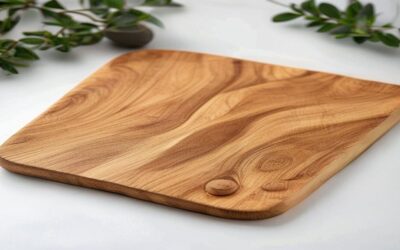
Wooden spoons, spatulas, and cutting boards are kitchen favorites because they are gentle on cookware, comfortable to hold, and naturally good-looking. But wood is porous and can dry out, crack, or harbor odors if it is treated like plastic. Learning how to clean wooden kitchen utensils and oil them properly keeps them smooth, sanitary, and lasting for years, often decades. This guide covers daily cleaning, deep cleaning and deodorizing, when and how to oil, and the mistakes that ruin wood fastest.
Why Wood Needs Special Care
Unlike stainless steel or silicone, wood is a natural fiber that absorbs water and oils. That porosity is part of why wood is naturally antibacterial as it dries, but it also means soaking, dishwashers, and harsh heat cause swelling, splitting, and a rough, raised grain. The goal of good care is to clean wood thoroughly while keeping it from absorbing too much water, then replenish the oils that keep it sealed and supple. If you are deciding which utensils to own in the first place, our comparison of wood, silicone, and steel utensils weighs wood against the alternatives.
Everyday Cleaning
- Wash by hand promptly. Use warm water, a little dish soap, and a sponge or brush right after use; don’t let food dry on.
- Skip the soak. Never leave wooden tools sitting in a sink full of water; prolonged moisture is what cracks them.
- Keep them out of the dishwasher. The long hot, wet cycle and drying heat warp and split wood quickly.
- Dry standing up. Air-dry utensils upright or flat where air circulates, not flat in a puddle, so both sides dry evenly.
Deep Cleaning and Deodorizing
Wood can pick up strong smells from garlic, onion, and fish, and over time it benefits from a deeper clean. For odors and a light sanitizing, scrub with a paste of coarse salt and half a lemon; the salt scours while the lemon’s acidity cuts smells, then rinse and dry. For a more thorough refresh, wipe the surface with a cloth dampened in a diluted vinegar solution or a very mild bleach solution, then rinse well and dry immediately. Avoid leaving any of these on the wood; the point is to clean the surface, not to soak it. After any deep clean, the wood will look dry and may feel slightly rough, which is your cue to oil it.
When and How to Oil Wooden Utensils
Oiling replenishes what washing strips away and creates a water-resistant barrier. Use a food-safe oil that won’t go rancid: food-grade mineral oil is the standard, and dedicated cutting-board oils or board creams (often mineral oil blended with beeswax) work beautifully. Avoid cooking oils like olive or vegetable oil, which can turn rancid and leave a sticky, smelly film. To oil: make sure the utensil is clean and completely dry, pour or rub a generous amount of oil over the entire surface, let it soak in for a few hours or overnight, then wipe off any excess with a clean cloth. New or very dry wood may drink up several coats. Re-oil whenever the wood looks dull or pale, roughly once a month with regular use.
Reviving Rough or Cracked Wood
If a beloved spoon has gone rough, fuzzy, or develops fine cracks, you can often save it. Lightly sand the surface with fine-grit sandpaper, working with the grain until smooth, then wipe away the dust and apply several coats of oil, letting each soak in. This removes the raised grain caused by water and reseals the wood. Deep cracks or any splitting that traps food, however, mean the tool should be retired for food use, since those crevices can harbor bacteria. Knowing when a tool has reached the end of its safe life is part of choosing the safest kitchen utensils.
Mistakes That Ruin Wooden Tools
Most wooden utensils that fail do so because of a handful of avoidable habits. Soaking is the biggest culprit: leaving a spoon submerged in a sink or a pot of simmering liquid for long stretches swells the fibers and leads to cracking as it dries. The dishwasher is a close second, combining prolonged soaking with high drying heat. Using cooking oils such as olive or vegetable oil to season the wood is another classic error, because those oils oxidize and turn rancid, leaving a sticky, off-smelling film instead of a clean seal. Storing tools damp in a closed drawer invites mildew and dark spotting. Finally, ignoring the wood until it is gray and split means you have waited too long; a quick monthly oiling prevents nearly all of this. Treating wood with these few considerations is exactly the kind of small habit that keeps your whole collection of utensils in good shape.
Storing Wooden Tools
Store wooden utensils somewhere dry and well-ventilated, never sealed away damp. A countertop crock keeps spoons upright and air-dried between uses; see options in our roundup of utensil holders and crocks. For drawers, a slotted insert prevents crowding and lets air circulate, and our guide to kitchen drawer organizers shows tidy layouts. Keep wood away from direct heat sources and out of prolonged sunlight, both of which dry and crack it. With this simple routine, wooden tools easily outlast most of their plastic counterparts.
Frequently Asked Questions
Can wooden utensils go in the dishwasher?
No. The prolonged heat and moisture of a dishwasher cycle warp, split, and roughen wood. Always hand wash wooden tools and dry them promptly standing up.
What oil should I use on wooden utensils?
Food-grade mineral oil or a dedicated board cream with beeswax. Avoid kitchen cooking oils like olive or vegetable oil, which can go rancid and leave a sticky, smelly residue.
How often should I oil wooden spoons and boards?
About once a month with regular use, or any time the wood looks dull, pale, or feels rough. New or very dry pieces may need several coats over a few days at first.
How do I get smells out of a wooden spoon?
Scrub with coarse salt and a lemon half, or wipe with a diluted vinegar solution, then rinse and dry. Re-oil afterward, since deodorizing tends to dry the surface.
Is wood more sanitary than plastic?
Wood has natural antibacterial properties as it dries, but only if it is kept smooth, clean, and crack-free. Once deep cracks form, retire the tool. For a full comparison, see our guide to safe utensil materials.




Write Your Review
No reviews yet. Be the first to share your experience!