
- Top Pick: SMIRLY Silicone Kitchen Utensils Set, 22-Piece Acacia Wood Handle, Black
- Best Value: Calphalon Prime 7-Piece Silicone and Teak Wood Kitchen Tool Set, Stainless Steel Kitchen Utensil Set, Kitchen Spoon And Spatula Set, Heat Resistant Non-Slip Kitchen Gadgets Set – Taupe
- Premium Choice: oannao Silicone Cooking Utensils Set Utensil Sets – 446°F Heat Resistant Silicone Kitchen Utensils Set Wooden Handles, Silicone Utensils for Cooking w Holder for Non-Stick Cookware BPA FREE (Black)
Disclosure: As an Amazon Associate we earn from qualifying purchases. We may receive a small commission when you buy through links on this page, at no extra cost to you. We only recommend products we genuinely believe offer value to home cooks.
- Wood: The Classic Choice
- Silicone: The Modern All-Rounder
- Stainless Steel: The Durable Workhorse
- Head-to-Head Comparison
- Which Should You Choose?
- Caring for Each Material
- Other Materials Worth Knowing
- Building a Mixed-Material Set
- Frequently Asked Questions
- Matching Material to Cookware
- Related Articles
- Related Guides
As an Amazon Associate we earn from qualifying purchases at no extra cost to you.


Stand in the utensil aisle and you face a basic choice repeated across spoons, spatulas, and turners: wood, silicone, or stainless steel. Each has loyal fans and real strengths, so the best kitchen utensil material depends on how you cook. This guide compares wood vs silicone vs steel across heat tolerance, cookware safety, durability, hygiene, and care, so you can build a kitchen toolkit that genuinely fits your needs.
Wood: The Classic Choice
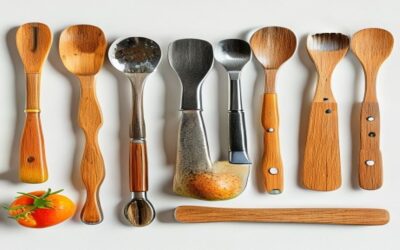
Wooden utensils have been kitchen staples for centuries, and for good reason. Wood is naturally non-reactive, so it will not affect the flavor of acidic foods, and it stays cool to the touch even in a hot pot. It is gentle on every cookware surface, including nonstick and cast iron. The trade-offs are care-related: wood cannot go in the dishwasher, needs occasional oiling, and can crack or harbor bacteria if it stays wet. Treated well, a wooden spoon lasts for years and is among the safest utensil options.
Silicone: The Modern All-Rounder
Silicone has surged in popularity because it solves problems the other materials cannot. It is flexible, making it excellent for scraping bowls clean and reaching into corners. Food-grade silicone is heat-resistant, typically rated to around 400°F to 450°F, and completely safe on nonstick surfaces. It is dishwasher-safe and non-porous, so it resists bacteria. The downsides: lower-quality silicone can contain fillers, and very high direct heat can damage it. Look for certified, platinum-cured silicone, as we recommend in our Utensils & Tools guides.
Stainless Steel: The Durable Workhorse
Stainless steel is the most durable of the three. It is non-reactive, will not absorb odors or stains, handles very high heat, and is fully dishwasher-safe. For tasks that demand strength, like a sturdy slotted spoon or a whisk, steel is unmatched. Its main drawback is hardness: steel can scratch nonstick coatings and cast iron seasoning, so it is best reserved for stainless or enameled cookware. It also conducts heat, so look for handles designed to stay cool.
Head-to-Head Comparison
- Heat tolerance: Steel highest, then silicone, then wood.
- Cookware safety: Wood and silicone are safe on all surfaces; steel can scratch nonstick.
- Durability: Steel is the most durable, wood and silicone are long-lasting with care.
- Hygiene: Steel and silicone are non-porous and dishwasher-safe; wood needs hand-washing.
- Feel: Wood is warm and traditional, silicone is flexible, steel is rigid and precise.
Which Should You Choose?
The honest answer is that most kitchens benefit from a mix. Use silicone or wood for nonstick pans to protect the coating, reach for stainless steel when you need strength on stainless cookware, and keep a wooden spoon for stirring sauces and stocks. Building a small, intentional set across materials covers every situation, a philosophy that runs through our Gadget Guides. Knowing the names and roles of each utensil helps you decide which material suits which tool.
Caring for Each Material
Care extends the life of any tool. Hand-wash wooden utensils, dry them promptly, and oil them occasionally with food-safe mineral oil. Silicone is dishwasher-safe but should be replaced if it warps, discolors, or turns sticky. Stainless steel is nearly maintenance-free, though you should check handles for tightness and dry it to prevent water spots. Good habits keep all three safe and effective, as covered in our guide to the safest kitchen utensils.
Other Materials Worth Knowing
Wood, silicone, and steel cover most utensils, but a few other materials appear in kitchens and deserve a mention. Nylon is an inexpensive, nonstick-safe plastic, though it has a lower heat tolerance than silicone and can melt against a hot pan. Bamboo behaves much like wood but is harder, more sustainable, and slightly more water-resistant. Beechwood and olive wood are premium wood options prized for durability and grain. Coated or enameled steel combines steel’s strength with a gentler surface. When evaluating any of these, apply the same lens we use throughout our Gadget Guides: heat tolerance, cookware compatibility, hygiene, and ease of care. The right material is the one that matches your pans and your habits.
Building a Mixed-Material Set
The most practical kitchen toolkit blends materials rather than committing to just one. A sensible starter set might include a wooden spoon for stirring sauces, a silicone spatula for scraping and nonstick pans, silicone-tipped tongs for gripping, a stainless steel whisk for beating, and a stainless slotted spoon for lifting. This combination protects your nonstick cookware, withstands high heat where needed, and covers nearly every task without redundancy. As your cooking evolves, add specialty pieces in whichever material suits the job. Pairing this with smart storage, explored in our Storage & Organization section, keeps your best tools within easy reach and your drawers clutter-free.
Frequently Asked Questions
What is the best material for kitchen utensils overall?
There is no single winner. Silicone and wood are best for nonstick cookware, while stainless steel excels at durability and high heat. A mix of all three suits most kitchens.
Are wooden utensils sanitary?
Yes, when properly maintained. Hand-wash, dry promptly, and oil periodically. Discard wooden tools that crack, since cracks can harbor bacteria.
Can stainless steel utensils scratch my pans?
They can scratch nonstick coatings and cast iron seasoning. Use steel on stainless or enameled cookware, and choose wood or silicone for nonstick.
How hot can silicone utensils get?
Quality food-grade silicone is generally safe up to about 400°F to 450°F. Always confirm the rating on the specific product.
Which material lasts the longest?
Stainless steel is typically the most durable, but well-maintained wood and quality silicone can also last for many years.
Matching Material to Cookware
The fastest way to decide on a utensil material is to look at the pans you already own. If your kitchen is built around nonstick pans, lead with silicone and wood, since steel will scratch the coating and shorten the pan’s life. If you cook on stainless steel or enameled cookware, you can use any material freely, so steel’s durability becomes an easy win. Cast iron lovers should favor wood and silicone for daily stirring to protect the seasoning, reserving metal for occasional scraping. There is no universally correct material, only the one that suits your specific pans and cooking style. Letting your cookware guide the choice prevents costly mismatches and keeps every surface in good shape for years.
Ready to choose the right tools? Compare more options in our Utensils & Tools category and learn what makes a tool truly safe in our guide to the safest kitchen utensils.



Write Your Review
No reviews yet. Be the first to share your experience!