
Disclosure: As an Amazon Associate we earn from qualifying purchases. We may receive a small commission when you buy through links on this page, at no extra cost to you. We only recommend products we genuinely believe offer value to home cooks.
As an Amazon Associate we earn from qualifying purchases at no extra cost to you. Product prices and availability are accurate as of the date shown and are subject to change.

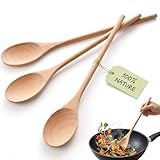

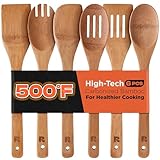


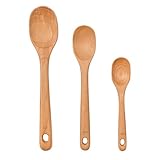
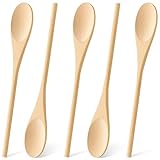
A reliable wooden spoon set is the quiet hero of any kitchen, perfect for stirring sauces, folding batter, and scraping pans without a scratch. The best wooden spoons are carved from dense hardwood and finished smooth so they last for years. This guide compares the top wooden spoons for cooking, judged on wood quality, construction, and comfort, so you can find a set that becomes a daily favorite.
| Rank | Product | Best For | Buy |
|---|---|---|---|
| 1 | ECOSALL 6-Piece Beechwood Spoons | Single-piece durability | View on Amazon |
| 2 | ECOSALL Healthy Wooden Spoons Set of 6 | Uncoated solid hardwood | View on Amazon |
| 3 | Zulay Kitchen 6-Piece Teak Spoons | Comfort grip and easy cleaning | View on Amazon |
| 4 | Pacific Merchants 4-Piece Beechwood Set | French-made craftsmanship | View on Amazon |
| 5 | HIC Classic French Beechwood Spoon | A long-handled single spoon | View on Amazon |
If you want a full lineup beyond spoons, see our roundup of kitchen utensils and their names to round out your drawer.
Top Picks
1. ECOSALL 6-Piece Beechwood Spoons
Each spoon is cut from a single block of beechwood, so there are no glued seams to split, and the smooth finish glides over nonstick pans.
2. ECOSALL Healthy Wooden Spoons Set of 6
Uncoated solid hardwood means nothing flakes into your food, a reassuring choice for everyday stirring and scraping.
3. Zulay Kitchen 6-Piece Teak Spoons
Naturally oil-rich teak resists water and odors, and the comfortable grip makes long mixing sessions easier on the hand.
4. Pacific Merchants 4-Piece Beechwood Set
Crafted in France from beechwood, this compact set brings artisan quality to the basics of stirring and folding.
5. HIC Classic French Beechwood Spoon
A fourteen-inch handle keeps your hand away from the heat, making this single spoon a workhorse for deep pots.
What to Look for in a Wooden Spoon
Start with the wood. Beech, teak, olive, and maple are dense, close-grained hardwoods that resist water and won’t splinter the way cheap bamboo can. Avoid spoons assembled from glued strips, since those seams are the first to crack. A single-piece spoon with a smooth, well-sanded surface is the gold standard.
Then consider shape and length. A longer handle keeps your hand clear of steam and splatter, while a flat-edged spoon scrapes the bottom of a pan more effectively than a deeply rounded one. For a wider material comparison, our guide to wood vs silicone vs steel utensils is worth a read.
Caring for Your Wooden Spoons
Hand-wash spoons with mild soap and dry them right away rather than leaving them to soak. The dishwasher’s heat and moisture are the fastest way to ruin a wooden spoon, so keep them out of it. A monthly rub of food-safe mineral oil keeps the grain supple and stain-resistant. Storing them upright in a counter crock helps them dry evenly between uses.
Who Wooden Spoons Are For
Wooden spoons suit nearly every cook, but they shine for anyone using nonstick or enameled cookware where metal would scratch. They are also ideal for candy-making and long-simmered sauces, since wood doesn’t conduct heat into your hand. If you are building a kitchen from scratch, a six-piece set plus a complete utensil set covers almost everything, and our safest kitchen utensils to look for guide explains why material choice matters for safety.
Single Spoons vs. Sets
Whether you buy a single spoon or a full set depends on how you cook. A lone long-handled spoon is perfect for deep stockpots and candy-making, where reach and heat insulation matter most. A set, on the other hand, gives you different shapes for different tasks: a flat-edged spoon for scraping fond, a slotted spoon for lifting solids, and a rounded spoon for stirring sauces. For most home cooks, a small set offers the best value and flexibility.
If you already own a capable utensil collection, you may only need to add one or two specialty wooden spoons to round it out. Pay attention to handle length and edge shape rather than piece count, since those features determine how useful a spoon actually is. To see how spoons fit into a broader toolkit, browse our guide to kitchen utensils and their names and our best kitchen utensil sets for everyday cooking roundup.
Final Thoughts on Wooden Spoons
A great wooden spoon quietly becomes the tool you reach for without thinking. The qualities that earn that loyalty are simple: dense hardwood, single-piece construction, a comfortable handle, and an edge shaped for the way you cook. Spend a little more on those features up front and care for the spoon properly, and it will serve you through countless meals while staying smooth and crack-free.
Whether you choose a single workhorse spoon or a coordinated set, the same care rules apply: hand-wash, dry promptly, and oil now and then. To see how wooden spoons fit alongside other tools in a complete kitchen, browse our best kitchen utensil sets for everyday cooking roundup and our guide to the safest kitchen utensils to look for.
Frequently Asked Questions
What wood is best for cooking spoons?
Dense hardwoods like beech, teak, olive, and maple are best. They resist water, won’t splinter easily, and stay smooth far longer than soft or glued bamboo.
Are wooden spoons better than metal or silicone?
Wooden spoons are gentle on cookware, don’t conduct heat, and won’t scratch coatings. Metal is more durable but can mar nonstick, while silicone is flexible and heat-safe.
How do I clean a wooden spoon?
Hand-wash with mild soap and warm water, then dry it immediately. Skip the dishwasher and long soaks, which cause cracking and warping.
Should I oil my wooden spoons?
Yes. A light coat of food-safe mineral oil every few weeks keeps the wood from drying out and helps it resist stains and odors.
Do wooden spoons hold bacteria?
Properly cleaned and dried hardwood spoons are safe. The wood’s natural properties and prompt drying keep bacteria from lingering.



Write Your Review
No reviews yet. Be the first to share your experience!