
- Top Pick: Kitchen Utensil Set-Silicone Cooking Utensils-33 Kitchen Gadgets & Spoons for Nonstick Cookware-Silicone and Stainless Steel Spatula Set-Best Kitchen Tools, Useful Pots and Pans Accessories
- Best Value: Stainless Steel Cooking Utensils Set, Berglander 13 Pieces Kitchen Utensils Set, Kitchen Tools Set With Utensil Holder Non-Stick And Heat Resistant,Dishwasher Safe, Easy to Clean (13 Packs)
- Premium Choice: Umite Chef Kitchen Cooking Utensils Set, 33 pcs Non-Stick Silicone Cooking Kitchen Utensils Spatula Set with Holder, Wooden Handle Silicone Kitchen Gadgets Utensil Set (Khaki)
Disclosure: As an Amazon Associate we earn from qualifying purchases. We may receive a small commission when you buy through links on this page, at no extra cost to you. We only recommend products we genuinely believe offer value to home cooks.
- What “Safe” Actually Means
- The Safest Material Options
- Materials to Approach With Caution
- Certifications and Labels to Trust
- Safety Around Heat
- Care That Keeps Utensils Safe
- Safe Utensils for Specific Tasks
- Safety Beyond Materials
- Frequently Asked Questions
- Building a Safe Kitchen on a Budget
- Related Articles
- Related Guides
As an Amazon Associate we earn from qualifying purchases at no extra cost to you. Product prices and availability are accurate as of the date shown and are subject to change.


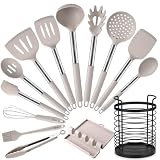


Not all kitchen tools are created equal when it comes to health and safety. With growing awareness of chemicals that can leach from cookware and utensils, many cooks want to know which are the safest kitchen utensils to bring into their homes. This guide breaks down the materials, certifications, and red flags that matter, so you can choose tools that are safe around heat, food, and daily use.
What “Safe” Actually Means
A safe utensil should not leach harmful substances into food, should withstand the heat it will face without degrading, and should be easy to clean so it does not harbor bacteria. These three pillars, chemical stability, heat tolerance, and hygiene, are the lens for evaluating any tool. The right choice often depends on the material, which is why it pairs closely with our deeper comparison of utensil materials.
The Safest Material Options
- Stainless steel – non-reactive, extremely durable, and free of coatings that can wear off. An excellent all-around safe choice.
- Food-grade silicone – heat-resistant, non-toxic when it carries proper certification, and gentle on cookware. Look for platinum-cured silicone.
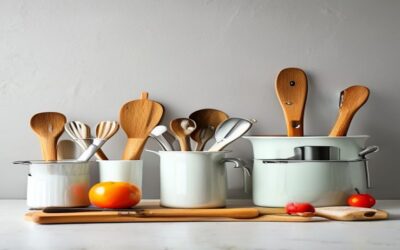
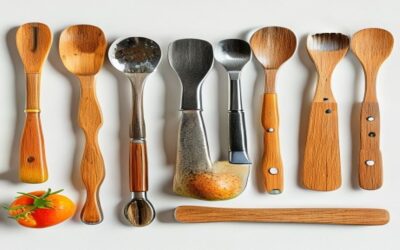
- Solid hardwood – naturally non-reactive and gentle, provided it is untreated or finished with food-safe oil.
- Glass – inert and non-leaching, ideal for measuring and mixing tools.
These options consistently rank as the safest across independent testing and align with the recommendations in our Utensils & Tools category.
Materials to Approach With Caution
Some materials warrant care. Low-quality plastics can leach compounds when heated, so avoid using cheap plastic utensils in hot pans. Nonstick-coated tools can shed flakes once scratched. Aluminum is reactive with acidic foods like tomatoes and citrus, which can affect flavor. Cheap, brightly colored silicone without certification may contain fillers; a simple test is to pinch and twist the tool, since pure silicone should not show white streaks.
Certifications and Labels to Trust
When shopping, look for clear labeling. BPA-free matters for any plastic component. Food-grade or food-safe indicates the material is intended for kitchen use. LFGB (a German standard) is stricter than basic FDA compliance and is a strong sign of quality silicone. Untreated or mineral-oil-finished labels are reassuring for wooden tools. These markers help you separate genuinely safe products from marketing claims.
Safety Around Heat
Heat exposure is where unsafe utensils reveal themselves. Stainless steel handles high heat without issue but conducts it, so look for handles that stay cool. Silicone is typically safe up to around 400°F to 450°F, but check the manufacturer’s rating before using it in a hot pan. Wood tolerates moderate heat but can scorch over an open flame. Matching the tool to the task keeps both you and your food safe, a theme we explore across our Gadget Guides.
Care That Keeps Utensils Safe
Even safe materials become unsafe if poorly maintained. Replace silicone or plastic tools once they warp, discolor, or develop sticky surfaces. Hand-wash and oil wooden utensils to prevent cracking, since cracks harbor bacteria. Inspect stainless steel for loose handles or rust spots. Good care extends the safe life of every tool and protects the food you prepare with the many utensils in your kitchen.
Safe Utensils for Specific Tasks
Different jobs call for different safe choices. For high-heat searing and stir-frying, stainless steel or wood handles the temperature better than most plastics. For delicate nonstick pans, silicone or wood prevents scratches that would otherwise expose the underlying metal and shed coating into your food. For mixing raw meat, a non-porous material like stainless steel or silicone is easier to sanitize thoroughly than porous wood. For acidic dishes such as tomato sauce or citrus marinades, avoid reactive aluminum and reach for stainless steel, wood, or silicone, all of which leave flavor untouched. Matching the tool to the task is itself a safety practice, not just a convenience.
Safety Beyond Materials
A truly safe kitchen considers more than what a utensil is made of. Sturdy construction prevents handles from snapping mid-task, and well-balanced tools reduce the risk of slips near hot surfaces. Avoid utensils with hollow handles that can trap water and grow mold, and choose seamless one-piece designs where possible. Keep sharp tools like graters and peelers stored safely so reaching into a drawer is not a hazard, a point our Storage & Organization section addresses directly. Finally, buy from reputable sellers, since counterfeit or unregulated products are the most likely to use questionable materials. A modest, well-chosen set beats a drawer full of cheap, uncertain tools.
Frequently Asked Questions
What is the safest material for kitchen utensils?
Stainless steel and certified food-grade silicone are widely considered the safest, with untreated hardwood and glass also excellent. All resist leaching and hold up well.
Are silicone utensils safe at high heat?
Quality, certified silicone is generally safe up to about 400°F to 450°F. Always confirm the specific heat rating on the product before exposing it to a hot pan.
Is it safe to use plastic utensils?
Only food-grade, BPA-free plastics, and even then, avoid using them in very hot pans where they can warp or leach. Stainless steel or silicone is a safer choice near heat.
How can I tell if silicone is pure?
Pinch and twist the silicone. Pure, high-quality silicone keeps its color, while lower-grade silicone with fillers may show white streaks where it is stretched.
How often should I replace kitchen utensils?
Replace any tool that is cracked, warped, melted, scratched (for nonstick), or sticky. Quality stainless steel and well-maintained wood can last for many years.
Building a Safe Kitchen on a Budget
Safe utensils do not have to be expensive. A few well-chosen stainless steel and certified silicone tools cost less than a single trendy gadget and will outlast cheaper alternatives many times over. Prioritize the tools you use daily, a spoon, a turner, a spatula, and tongs, and buy those in safe, durable materials first. You can add specialty pieces over time as your cooking grows. Avoid the temptation of large bargain sets in unverified plastics, which often need replacing within a year and may use questionable materials. Spending a little more on a handful of safe, quality tools is both healthier and cheaper in the long run, and it builds a kitchen you can trust around every meal.
Choosing safe tools starts with understanding materials, so read our full breakdown of wood vs silicone vs steel and explore safe options in our Utensils & Tools collection.


Write Your Review
No reviews yet. Be the first to share your experience!