
Disclosure: As an Amazon Associate we earn from qualifying purchases. We may receive a small commission when you buy through links on this page, at no extra cost to you. We only recommend products we genuinely believe offer value to home cooks.

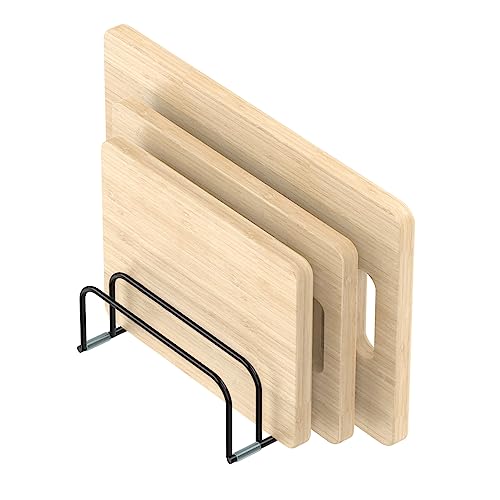


Learning how to season a wooden cutting board is the single best thing you can do to extend its life. A board that is regularly oiled resists water, fights warping, and won’t crack along the grain. Seasoning is simple, cheap, and takes only a few minutes of hands-on time. This guide walks through choosing the right oil, the step-by-step seasoning process, day-to-day cleaning, and the mistakes that destroy boards early.
Why Wooden Boards Need Seasoning
Wood is porous. Every time you wash a board, water soaks into the fibers, swells them, and then they shrink again as they dry. Repeated over months, that swelling and shrinking is what causes splits, raised grain, and warping. Seasoning fills those pores with food-safe oil so water can’t get in as easily. A well-oiled board sheds water in beads instead of absorbing it, which also makes it far more hygienic because bacteria have fewer damp crevices to live in. The same logic applies to wooden spoons and spatulas, which is why our guide on how to clean and oil wooden kitchen utensils recommends the same routine.
Choosing the Right Oil
Not every oil is safe for cutting boards. The key is to use an oil that does not go rancid. Avoid cooking oils like olive, vegetable, or canola oil — they spoil and leave a sticky, smelly film.
- Food-grade mineral oil — the most popular choice. It’s inexpensive, odorless, never goes rancid, and is widely available.
- Board cream or butter — a blend of mineral oil and beeswax or carnauba wax. The wax adds an extra water-repellent top layer.
- Fractionated coconut oil — a refined coconut oil that stays liquid and resists spoiling (regular coconut oil can still turn).
If you buy a board cream, you can skip a separate oil; many are designed as an all-in-one conditioner.
Step-by-Step: How to Season a New Board
- Clean and dry the board. Wash with mild dish soap and warm water, rinse, and let it air-dry completely — ideally overnight. Oil won’t absorb into damp wood.
- Apply a generous coat of oil. Pour a small puddle of mineral oil onto the board and spread it over every surface — top, bottom, and all four edges — using a clean lint-free cloth or paper towel. Don’t forget the end grain, which soaks up the most.
- Let it soak in. Leave the board flat for several hours, or overnight for a brand-new board. The wood will drink up the oil.
- Wipe off the excess. Buff away any oil that hasn’t absorbed so the surface isn’t tacky.
- Repeat. For a new board, apply two or three coats over a couple of days. This builds a solid base layer.
Once seasoned, re-oil whenever the wood looks dull, dry, or lightens in color — usually every two to four weeks with regular use, or “once a month for a year, then once a year” as the old woodworker’s rule of thumb goes.
Day-to-Day Cleaning
Good cleaning habits matter as much as oiling. After each use, wash the board by hand with warm water and a little dish soap, then towel-dry it and stand it on edge so air reaches both faces. Never put a wooden board in the dishwasher and never let it soak in the sink — prolonged water exposure is the fastest way to ruin it. For raw meat, scrub with hot soapy water; a paste of coarse salt and half a lemon works well for deodorizing and lifting stains. If you’re shopping for a holder so boards can air-dry upright, our roundup of kitchen utensil holders and crocks covers countertop options that work for tools and small boards alike.
Fixing a Dry or Rough Board
If your board has gone gray, rough, or fuzzy, it’s not ruined. Lightly sand it with fine-grit sandpaper (around 220-grit) along the grain until smooth, wipe away the dust, then run through the full seasoning routine above. A few coats of oil will bring the color and water resistance right back. If the board has deep knife grooves, sanding levels those out too.
Mistakes That Shorten a Board’s Life
- Putting it in the dishwasher (heat and water warp and crack wood).
- Soaking it in the sink.
- Using olive or vegetable oil that turns rancid.
- Storing it flat in a damp spot where one side stays wet.
- Never oiling it at all.
Pick a quality board to begin with — end-grain and edge-grain hardwood boards last longest. If you’re building out a wooden kit, see our picks for wooden kitchen utensils that last and the best wooden spoons for cooking, both of which use the same maple, walnut, and acacia woods.
Frequently Asked Questions
How often should I oil a wooden cutting board?
For a board in regular use, oil it every two to four weeks, or whenever the surface looks dry and dull. New boards need several coats up front, then less often.
Can I use olive oil or coconut oil?
Avoid olive, vegetable, and regular coconut oil — they go rancid and turn sticky. Use food-grade mineral oil, a board cream, or fractionated coconut oil instead.
Is mineral oil safe for food?
Yes. Food-grade (USP) mineral oil is colorless, odorless, tasteless, and inert, which is exactly why it’s the standard for conditioning cutting boards and butcher blocks.
How do I get rid of a smell or stain?
Scrub with a paste of coarse salt and lemon, rinse, dry, and re-oil. For tough odors, a wipe of white vinegar before drying helps.
Wood or plastic — which is more hygienic?
A well-maintained wooden board is naturally antimicrobial and very hygienic. The key is keeping it oiled and dry. For a broader comparison of materials, see our guide on wood vs silicone vs steel utensils.
Season it, dry it, and keep it oiled, and a good wooden board will outlast almost everything else in your kitchen. For more tool-care tips, browse our full collection of kitchen gadgets worth buying.
Wood Types and What They Mean for Care
The species of wood affects how a board behaves and how much oil it drinks. Hard, tight-grained woods like hard maple are the classic choice — durable, gentle on knife edges, and naturally antimicrobial. Walnut is slightly softer and prized for its dark color, while acacia and teak contain natural oils that make them a bit more water-resistant out of the box. Whatever the species, the seasoning principle is identical: keep the pores filled with a food-safe oil so water stays out. Denser woods may need oil slightly less often, but no board is truly maintenance-free.
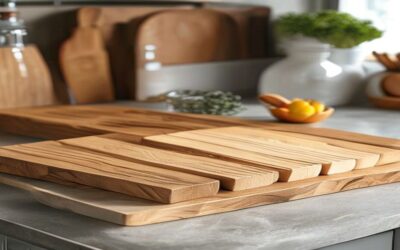
End-grain boards (where the wood fibers face up like the ends of a bundle of straws) are the gentlest on knives and self-healing, because the fibers close around the blade. They also soak up more oil, so plan on a couple of extra coats when you first season one. Edge-grain boards are more affordable and still excellent — they just show knife marks a little more.
A Simple Year-Round Maintenance Schedule
- After every use: hand-wash, towel-dry, stand upright to finish drying.
- Weekly to monthly: apply a coat of mineral oil if the surface looks dry.
- Every few months: apply a board cream with wax for an extra water-repellent layer.
- Once a year: deep-clean with a salt-and-lemon scrub, sand lightly if rough, then re-season fully.
Following a rhythm like this keeps a board in service for a decade or more. The same habits apply to wooden tools — if you’re caring for a full set, our guides to the best wooden spoons and utensil holders pair well with this routine.





Write Your Review
No reviews yet. Be the first to share your experience!