
- Top Pick: Personalized Silicone Cooking Utensils Set with Wooden Handles Custom Engraved Name Icon Silicone Kitchen Gadgets Tools for Chefs Cooking Lovers Wedding Christmas Housewarming Gift (7 Pcs)
- Best Value: SMIRLY Silicone Kitchen Utensils Set, 22-Piece Acacia Wood Handle, Black
- Premium Choice: Umite Chef Kitchen Cooking Utensils Set, 33 pcs Non-stick Silicone Spatula Set with Holder, Woodle Handle Heat Resistant Gadgets Utensil (Gray)
Disclosure: As an Amazon Associate we earn from qualifying purchases. We may receive a small commission when you buy through links on this page, at no extra cost to you. We only recommend products we genuinely believe offer value to home cooks.
As an Amazon Associate we earn from qualifying purchases at no extra cost to you.


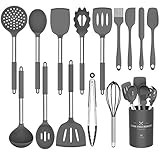


Walk into any well-stocked kitchen and you will find dozens of tools, but most cooks could not name half of them on sight. This complete guide to kitchen utensils and their names demystifies the gadgets, tools, and utensils that do the daily work of cooking. Knowing the correct name for each one makes recipes easier to follow, shopping less confusing, and your kitchen far more efficient.
Mixing and Stirring Utensils
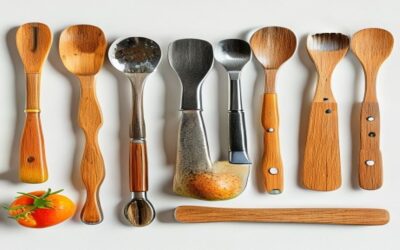
These tools handle the constant work of combining ingredients. The most common include:
- Wooden spoon – a classic stirring tool that will not scratch pans and stays cool to the touch.
- Silicone spatula – a flexible-headed tool, sometimes called a scraper, for folding batter and scraping bowls clean.
- Whisk – a looped wire tool for beating eggs, blending sauces, and incorporating air.
- Slotted spoon – a spoon with holes that lifts solids out of liquid.
- Ladle – a deep-bowled spoon for serving soups and stews.
The material of these tools matters as much as the shape, which is why we compare wood, silicone, and steel utensils in a dedicated guide.
Cutting and Prep Tools
Prep utensils turn raw ingredients into recipe-ready pieces. A chef’s knife is the workhorse, while a paring knife handles small, detailed cuts. A peeler removes skin from vegetables and fruit, a box grater shreds cheese and vegetables, and a microplane zests citrus and grates hard cheese or nutmeg. Kitchen shears snip herbs and break down poultry. Many of these live in our Prep Gadgets category because they speed up the most repetitive parts of cooking.
Turning and Lifting Utensils
This family of tools moves food in and out of heat. A turner (often loosely called a spatula) flips pancakes and burgers. Tongs grip and turn larger items like chicken or roasted vegetables. A fish spatula has a thin, flexible, slotted blade for delicate fillets. A spider strainer scoops fried or boiled food from hot liquid. Choosing safe materials here is important near high heat, which we cover in our guide to the safest kitchen utensils.
Measuring Utensils
Accurate cooking depends on measuring tools. Dry measuring cups nest together and are leveled flat, while liquid measuring cups are clear with a pouring spout. Measuring spoons handle small amounts from a teaspoon up to a tablespoon. Understanding when to reach for each is the heart of our guides on measuring cups vs spoons and measuring 3/4 cup. For precision baking, a digital scale paired with our cups-to-grams conversion guide outperforms any cup.
Specialty and Gadget Utensils
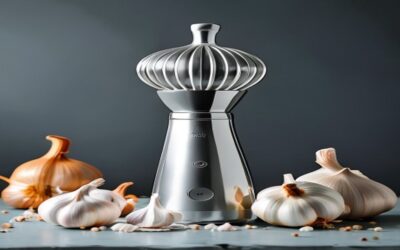
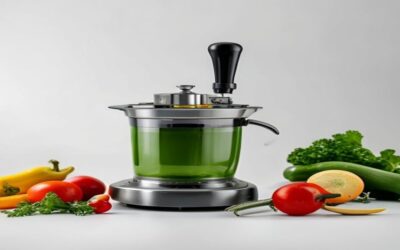
Beyond the basics sit the problem-solvers: a garlic press crushes cloves without mincing, a can opener breaks seals, a potato masher creates smooth purees, a citrus juicer extracts juice, and a pastry brush applies glazes and oils. These tend to be single-purpose but invaluable, and you will find many in our Specialty Gadgets collection.
Serving and Storage Tools
The job is not done when cooking ends. Serving spoons, salad servers, and cake servers move finished food to the plate, while tongs double as serving tools. For leftovers, airtight containers, lids, and clips keep food fresh; our Storage & Organization section is full of space-saving options.
Baking-Specific Utensils
Baking adds its own specialized vocabulary. A rolling pin flattens dough, a bench scraper divides and lifts it, and a pastry blender cuts cold butter into flour. A dough whisk mixes wet, sticky batters without clogging, while a cooling rack lets air circulate around finished bakes. Piping bags and tips decorate cakes, and an offset spatula spreads frosting smoothly. Because baking lives or dies on accuracy, this category leans heavily on measuring tools, which is where our guides on converting cups to grams and dry vs liquid measuring cups become essential reading.
How to Choose the Right Utensil
With so many tools available, the smartest approach is to match the utensil to how you actually cook rather than buying everything at once. Start with multipurpose tools: a turner that flips, tongs that grip, and a flexible spatula that scrapes. Add specialty gadgets only when a recipe repeatedly asks for them, so your drawers stay manageable. Consider the material carefully, since wood, silicone, and steel each suit different pans, and prioritize tools that are comfortable in your hand and easy to clean. Storage matters too; a crowded drawer makes good tools hard to find, so our Storage & Organization section offers ways to keep everything accessible.
Frequently Asked Questions
What are the most essential kitchen utensils for beginners?
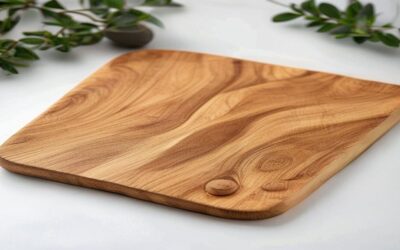
Start with a chef’s knife, a cutting board, a wooden spoon, a silicone spatula, tongs, a whisk, a peeler, and a set of measuring cups and spoons. These cover the vast majority of everyday recipes.
What is the difference between a spatula and a turner?
In common use, “spatula” describes both a flat turner for flipping food and a flexible scraper for bowls. Technically, the flipping tool is a turner, while the soft, flexible tool is a scraper or spatula.
What is a microplane used for?
A microplane is a fine rasp grater used for zesting citrus and grating hard cheese, garlic, ginger, nutmeg, and chocolate into very fine pieces.
Are wooden or silicone utensils better?
Both are good choices. Wood is gentle and naturally non-scratch, while silicone is heat-resistant and dishwasher-safe. See our full comparison of utensil materials for details.
What utensils should never go in the dishwasher?
Wooden tools and knives with wooden handles should be hand-washed to prevent cracking and dulling. Always check the manufacturer’s care instructions.
Keeping Your Utensils Organized
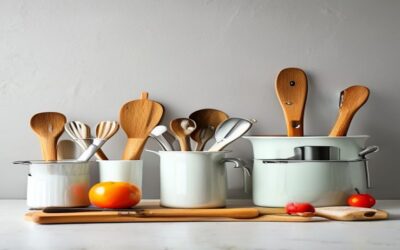
Owning the right utensils is only half the battle; finding them quickly is the other half. A crock on the counter keeps your most-used spoons, spatulas, and whisks within arm’s reach of the stove, while a drawer organizer separates measuring tools from prep gadgets so nothing gets tangled. Hang larger tools like ladles and turners on a rail to free up drawer space, and store sharp items like graters and peelers in protective sleeves. Group tools by how often you use them: daily essentials in front, specialty gadgets toward the back. Thoughtful organization, covered throughout our Storage & Organization section, turns a chaotic drawer into a kitchen that works with you rather than against you.
Ready to build out your toolkit? Explore our Utensils & Tools category and our broader Gadget Guides for hands-on advice on choosing and using each one.

Write Your Review
No reviews yet. Be the first to share your experience!