
Home food preservation has evolved significantly, but safely canning low-acid foods still demands the right heavy-duty equipment. Whether you are stocking your pantry with garden harvests, meats, or batch-cooked meals, selecting a reliable pressure canner is the single most critical decision you will make. Too many buyers get caught up in flashy marketing or aesthetic finishes, overlooking the fundamental engineering principles that separate a safe, long-lasting vessel from a frustrating kitchen paperweight.
Navigating the current market requires looking past superficial features to evaluate what genuinely impacts performance, safety, and ease of use. In this guide, we break down the vital specifications, common sizing pitfalls, and material choices that dictate whether a pressure canner will serve your homesteading or culinary needs for decades. By focusing on the mechanics that matter, you can invest wisely in 2026 and preserve your harvests with absolute confidence.
As an Amazon Associate we earn from qualifying purchases at no extra cost to you.
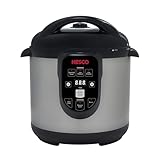
Stove Type Compatibility and Material Construction
The foundation of any good pressure canner lies in its metal composition and bottom design. Most traditional canners are built from heavy-gauge aluminum, which conducts heat exceptionally well and prevents hot spots across the base. However, if you cook on a smooth-top glass range or an induction cooktop, material choice becomes a primary limiting factor. Aluminum alone will not work on induction surfaces unless the manufacturer has bonded a stainless steel plate to the bottom of the vessel. Furthermore, heavy aluminum canners can warp if subjected to rapid temperature shifts or sliding across rough burners, so look for machined flat bottoms that maintain full contact with your heat source.
Dial Gauges Versus Weighted Gauges
Pressure regulation systems generally fall into two camps: dial gauges and weighted gauges. A dial gauge offers exact numeric feedback on internal pressure, allowing you to fine-tune your heat source down to the pound. The downside is that dial gauges require annual calibration tests through your local extension office to ensure accuracy. Weighted gauges, conversely, use metal jigs that rock or jiggle when the correct pressure is reached. They require zero calibration and practically zero maintenance, though they are less precise if you live at high altitudes where pressure adjustments are mandatory. For most home canners, a weighted gauge system offers superior reliability, while precision hobbyists often prefer a dual system featuring both indicators.
Capacity Sizing and Jar Configuration
Manufacturers often market canners by their total liquid volume, but what truly matters is jar capacity. A standard twenty-quart model might hold a specific number of pint jars, but it may fail to accommodate standard quart jars in a configuration that makes efficient use of your time. Consider whether you typically process large batches of whole meats and vegetables in quarts or smaller portions in pints. Keep in mind that larger twenty-five or thirty-quart models are heavy when fully loaded with water and glass; ensure your physical strength and your stove’s structural weight limits can handle a fully packed multi-quart unit.
Lid Closure Systems and Gasket Maintenance
How the lid seals to the pot body dictates both safety and long-term usability. Traditional models rely on interlocking metal flanges tightened down by twist-on knobs or wing nuts, creating a metal-to-metal seal or utilizing a rubber gasket ring. Modern gasket-free designs feature precision-machined metal-on-metal tapered edges that require no rubber ring replacement whatsoever. If you choose a model with a rubber gasket, expect to replace the ring every few years as it hardens from heat exposure. Always inspect the locking mechanism for smooth operation and ensure the sealing rim is free of nicks or warping.
Overpressure Safety Mechanisms
Pressure vessels operate under intense internal forces, making built-in safety redundancies non-negotiable. Every quality canner must feature a primary pressure relief valve alongside a secondary backup system, typically a rubber overpressure plug or a blow-out vent. If the main vent pipe becomes clogged with food debris during processing, the secondary rubber plug is designed to push out and safely release steam before structural failure can occur. Check these safety valves regularly for stiffness, cracking, or mineral buildup to ensure they remain functional throughout your canning season.
When to Spend More on Premium Build Quality
Entry-level canners will get the job done for occasional weekend preservers, but upgrading to a commercial-grade or heavy-duty cast aluminum model pays dividends for avid gardeners and homesteaders. Premium models feature thicker walls that resist denting, heavier lids that seat more securely without fussy adjustments, and robust handles riveted or welded to withstand decades of lifting heavy loads. Spending more upfront typically buys you better customer support, readily available replacement parts, and peace of mind when processing hundreds of jars annually.
Related Guides
To round out your setup and ensure your pantry remains stocked with safe, long-lasting provisions, be sure to consult our detailed expert reviews. Compare top-performing models in our Best Pressure Canners for Home Food Preservation in 2026: Compared and Ranked. For extending the shelf life of your dried goods and bulk ingredients, explore our top recommendations in the Best Commercial Grade Vacuum Sealers for Bulk Food Preservation in 2026: Compared and Ranked.
FAQ
Can I use a regular stockpot as a pressure canner?
No, standard stockpots cannot build the necessary internal pressure required to safely destroy heat-resistant bacterial spores in low-acid foods. Only a certified pressure canner with a locking lid, verified regulator, and safety valves can reach the required high temperatures.
How often do I need to test a dial pressure gauge?
You should have your dial gauge tested for accuracy at least once a year before your heavy canning season begins. Many local university extension offices or county extension agents offer this testing service for free or a nominal fee.
Do all pressure canners work on induction cooktops?
No, many traditional aluminum pressure canners are non-magnetic and will not transfer heat on an induction burner. You must check the manufacturer specifications to ensure the base includes an integrated stainless steel induction plate.
What is the difference between a pressure cooker and a pressure canner?
While pressure cookers and canners look similar, cookers are generally smaller and designed for rapid meal preparation rather than processing jars. USDA guidelines require a pressure canner to hold a minimum of four quart jars upright to be safely used for canning low-acid foods.
Write Your Review
No reviews yet. Be the first to share your experience!