
Transitioning to sustainable kitchen routines often starts with eliminating single-use plastics, and beeswax wraps have emerged as a pantry staple for eco-conscious home cooks. However, walking down the eco-friendly aisle reveals a dizzying array of fabric prints, coating formulas, and sizing bundles that can make buying the right set feel overwhelming.
Choosing the right wrap isn’t just about picking the prettiest pattern; it requires understanding core materials, fabric weave density, and coating integrity that dictates long-term performance. In this guide, we break down the critical specs, common buyer pitfalls, and sizing configurations to help you invest in wraps that actually perform in a modern 2026 kitchen.
As an Amazon Associate we earn from qualifying purchases at no extra cost to you.
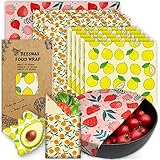
Understand the Base Fabric: Cotton vs. Hemp Blends
The foundation of any good beeswax wrap is the textile it uses. Most standard wraps rely on lightweight cotton, which absorbs the wax blend evenly and provides enough flexibility to mold around bowls and produce. However, premium options increasingly utilize organic cotton or cotton-hemp blends.
Hemp fibers add structural tensile strength, meaning the wrap resists tearing at the creases even after months of daily folding and washing. When shopping, look for tightly woven textiles because loose weaves allow food oils and moisture to seep through to your hands, significantly reducing the lifespan of the wrap.
The Coating Blend: Beeswax, Resins, and Oils
A wrap is only as good as its impregnation formula. Pure beeswax provides natural antibacterial properties and stiffness, but by itself, it can be brittle and prone to cracking. High-quality manufacturer blends typically incorporate sustainably harvested tree resin, such as pine rosin, alongside jojoba or coconut oil.
The resin introduces essential tackiness, allowing the wrap to seal securely when warmed by the heat of your hands, while the oil keeps the mixture pliable so it doesn’t flake off onto your food. Avoid products that list synthetic paraffin waxes or unnamed chemical plasticizers, as these compromise both food safety and environmental integrity.
Sizing Configurations: What You Actually Need
Manufacturers love selling massive multi-packs, but you rarely use every size equally in a real-world kitchen. As a general rule, small wraps are ideal for cut lemons, onions, and covering the tops of small jars. Medium wraps are your everyday workhorses, perfectly sized for sandwiches, blocks of cheese, and medium bowls.
Large and extra-large wraps are necessary for wrapping artisan sourdough boules, covering large mixing bowls, or bundling leafy greens. Before buying a multi-pack, take stock of what you actually store day-to-day to avoid paying for oversized sheets that simply languish in your drawer.
Evaluating Tackiness and Cling Factor
The defining feature of a good beeswax wrap is its ability to cling to itself and various container surfaces using only hand warmth. When evaluating product descriptions, look for mentions of a balanced wax-to-resin ratio.
Too much wax makes the wrap feel overly stiff and greasy, while too much resin makes it overly sticky and difficult to clean. A properly balanced wrap feels pleasantly tacky and retains its cling factor through dozens of washing cycles before needing a routine maintenance refresh.
Common Buying Mistakes to Avoid
One of the biggest mistakes buyers make is prioritizing visual aesthetics over weave density and thickness. Cute prints printed with toxic, non-food-grade dyes can bleed when exposed to acidic foods like tomatoes or citrus.
Another frequent error is ignoring the maintenance requirements; many beginners wash their wraps in hot water, which immediately melts the wax coating and ruins the product. Always verify that the brand uses GOTS-certified organic cotton and food-safe, non-toxic pigment dyes before making your final selection.
When to Spend More on Premium Brands
Budget sets can be tempting when you are just starting out, but ultra-cheap wraps often skimp on wax weight and use sparse coatings that wear thin within a few weeks of use. Spending more on reputable artisan brands typically guarantees thicker coatings, ethically sourced ingredients, and robust construction.
If you store pungent foods regularly or want a wrap that easily survives heavy daily school-lunch duty, paying a premium for reinforced edges and heavy-duty weights is well worth the upfront investment.
Related Guides
For more eco-friendly kitchen upgrades, check out our expert recommendations in the best beeswax wraps guide. If you are looking to preserve bulk items or dry goods alongside your wraps, explore our top picks for the top vacuum sealers. Finally, ensure your pantry stays organized by pairing your preservation tools with the selections found in our vacuum seal bag rolls roundup.
FAQ
Can you use beeswax wraps in the microwave or oven?
No, you should never expose beeswax wraps to heat sources like microwaves, conventional ovens, or dishwashers. The heat will immediately melt the wax coating, ruining the structural integrity of the fabric and leaving a messy residue on your appliances. Always use cool water and mild dish soap when cleaning them.
How long do beeswax wraps typically last?
With proper care, high-quality beeswax wraps generally last anywhere from several months to a full year of regular use. Their lifespan depends heavily on how frequently you wash them and whether you use cool water exclusively. Once the coating begins to flake off or lose its tackiness, you can either compost them or revive them using a DIY wax refresh block.
Are beeswax wraps safe for raw meat and fish?
It is generally not recommended to wrap raw meat or fish directly in beeswax wraps. Because you cannot wash these wraps in hot water or sanitize them with harsh antibacterial soaps, lingering bacteria from raw animal proteins could become trapped in the fabric fibers. Instead, use glass containers or specialized storage bags for raw proteins and reserve your wraps for produce, cheese, and baked goods.
Do beeswax wraps leave a scent on your food?
New beeswax wraps often carry a mild, pleasant honey or pine aroma when you first unbox them. This natural scent typically dissipates within the first few uses and does not transfer flavors to your food, provided you keep them away from deeply pungent items like raw onions or strong cheeses. If you are sensitive to natural aromas, look for brands that use highly filtered, low-odor beeswax.


Write Your Review
No reviews yet. Be the first to share your experience!