
Vacuum food sealers have evolved from niche commercial equipment into essential kitchen appliances for everyday households. Whether you are meal prepping, preserving garden harvests, buying meat in bulk, or experimenting with precision sous-vide cooking, sealing food properly locks in freshness, prevents freezer burn, and drastically reduces household food waste.
However, shopping for the right machine can feel overwhelming due to the sheer volume of options available. Manufacturers constantly market high-powered suction metrics, sleek digital displays, and proprietary accessories. To find a model that truly serves your kitchen workflow in 2026, you need to look past the marketing hype and focus on the specifications and design elements that genuinely impact daily performance.
As an Amazon Associate we earn from qualifying purchases at no extra cost to you.
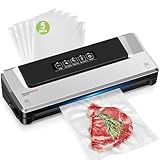
External Suction versus Chamber Sealers
The single most important decision you will make is choosing between an external suction sealer and a chamber sealer. External models are the most common countertop units. They require textured or channel bags because the machine pulls air directly out of the bag opening clamped outside the chamber. They are compact, affordable, and ideal for dry goods, solid meats, and casual weekly meal prep.
Chamber sealers, by contrast, remove air from the entire enclosed chamber, including the inside and outside of the bag. This equalizes pressure, preventing liquids from being sucked out of the package. While chamber machines are significantly larger, heavier, and more expensive, they are unmatched if you frequently seal soups, marinades, or high-moisture foods without freezing them first.
Seal Bar Length and Width
The seal bar determines the maximum width of the bag you can securely close. Entry-level consumer sealers typically feature a narrow seal bar, which limits you to standard roll widths. If you regularly package large cuts of meat, whole chickens, or family-sized portions, a wider seal bar is essential for effortless operation.
Equally important is the width and quality of the heating element itself. A wider heat seal strip—or a double-seal bar design—provides an extra margin of safety against leaks. A thin, single-line seal is prone to microscopic failures if a stray crumb or drop of moisture happens to sit across the heating strip during activation.
Moist and Liquid Compatibility
Moisture is the primary enemy of a secure vacuum seal. When air is sucked out of a bag containing raw meat, juices naturally follow, contaminating the seal zone and causing the heating element to fail to bond the plastic properly. Look for sealers that feature dedicated moist or extended settings, which adjust the sealing time to ensure a secure melt even if a small amount of dampness is present.
Advanced external models also feature removable drip trays to catch stray liquids before they enter the internal vacuum pump. If you frequently seal juicy foods without a chamber machine, a robust liquid management system and a manual pulse function are non-negotiable features for preventing premature machine failure.
Manual Pulse Control and Custom Settings
Automatic sealing cycles are convenient, but they take control away from the user. Delicate items like fresh berries, baked goods, chips, or heavily marinated foods can easily be crushed or deformed by maximum suction pressure. A manual pulse feature allows you to control the vacuum pump in short bursts, letting you stop the extraction the exact second before the structural integrity of your food is compromised.
Look for machines that offer customizable settings for seal time duration and pressure levels. Being able to adjust heat settings for different bag thicknesses ensures you never melt a cheap bag or fail to seal a heavy-duty commercial pouch.
Bag Compatibility and Ongoing Costs
The ongoing cost of ownership is a factor many buyers overlook. Some vacuum sealers require proprietary, brand-name bags and rolls that feature specialized micro-channel designs. These bags often come at a significant premium compared to generic universal vacuum sealer rolls found online or in stores.
Before purchasing a machine, check whether it accepts third-party embossed bags. Universal rolls allow you to cut custom lengths and purchase in bulk, saving considerable money over the lifespan of the appliance. Additionally, consider whether you want to invest in reusable zipper bags or container attachments for pantry staples you access daily.
Build Quality and Duty Cycle
If you plan on processing large batches of food—such as a hunting harvest or a massive garden haul—the duty cycle of the machine matters immensely. Entry-level units made primarily of lightweight plastic require a cooling-off period of several minutes between consecutive seals to prevent the motor and heating element from overheating.
Commercial-grade or heavy-duty consumer sealers incorporate robust cooling fans, powerful piston pumps, and metal housing designed for continuous, back-to-back operation. Evaluate your typical workflow honestly; buying a machine with a higher duty cycle than you think you need prevents frustrating interruptions during big preserving sessions.
Related Guides
Choosing the right equipment depends entirely on your cooking habits and preservation volume. For everyday kitchen tasks, read our picks for the best vacuum food sealers. If you regularly handle bulk portions, liquids, and heavy-duty preservation, look into our top-rated chamber vacuum sealers. For a broader overview of countertop options and features, browse the vacuum sealers comparison page.
FAQ
Do I need to buy brand-name bags for my vacuum sealer?
Most external vacuum sealers work well with any universal embossed or textured bag. However, always check the manufacturer guidelines, as some specialized units require specific micro-channel patterns to draw air effectively.
Can I vacuum seal liquids safely?
Standard external sealers struggle with liquids because the vacuum draws moisture into the seal zone. To seal liquids on an external unit, freeze them to a slush first, or invest in a dedicated chamber vacuum sealer.
Why is my vacuum sealer losing suction over time?
Loss of suction is usually caused by worn-out foam gaskets, trapped debris in the vacuum channel, or small tears in the bag. Regularly inspect and clean the rubber gaskets and ensure bags are completely flat across the seal bar.
How do I prevent delicate foods from getting crushed?
Use a manual pulse feature to control the suction incrementally, or pre-freeze delicate items like berries or pastries on a baking sheet before placing them into the vacuum bag for final sealing.



Write Your Review
No reviews yet. Be the first to share your experience!