
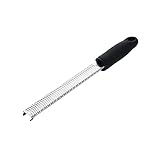
- Top Pick: Microplane Premium Classic Series Zester 18/8, Black – Lemon Zester & Cheese Grater & Vegetable Grater – Citrus, Parmesan Cheese, Garlic, Ginger, Nutmeg, Chocolate – Stainless Steel Grater
- Best Value: OXO Good Grips Etched Zester and Grater
- Premium Choice: Microplane Premium Classic Zester – Eucalyptus Green | Lemon Zester tool, Hard Cheese & Vegetable Grater | For Citrus, Parmesan Cheese, Garlic, Ginger, Nutmeg | Fine Stainless Steel Blade, Made in USA
A Microplane-style zester is one of the few tools that earns permanent counter space. With a single, razor-sharp etched blade, it can turn a lemon into a fragrant pile of zest in under 30 seconds and reduce a hard block of Parmigiano-Reggiano into an airy, snow-like garnish that melts on contact. Unlike a box grater, it shaves rather than shreds, which preserves volatile oils and creates a finer, more even texture.
- Watch: How to Use a Microplane Zester for Citrus and Cheese — Video Review
- 1. Know Your Tool: How a Microplane Blade Works
- 2. How to Zest Citrus Without Hitting the Pith
- 3. How to Grate Hard Cheese, Garlic, and Spices
- 4. Grip, Angle, and Safety That Prevents Nicks
- Tips
- Frequently Asked Questions
- Conclusion
- Related Articles
- Related Guides
In this 2026 guide, you will learn exactly how to hold, angle, and stroke a zester for perfect results with citrus and cheese, how to avoid common mistakes like bitter pith or clogged blades, and how to choose the right model for your hand and kitchen. Whether you own the workhorse Microplane Premium Classic Series Zester in Black or are considering an alternative like the OXO Good Grips Etched Zester, these techniques apply across all fine-blade zesters.
As an Amazon Associate we earn from qualifying purchases at no extra cost to you.



⚡ Save on Your Next PC — Amazon Prime
Prime members get fast free shipping on the systems above, plus early access to Prime Day & Black Friday PC deals. New members get a 30-day free trial.
Watch: How to Use a Microplane Zester for Citrus and Cheese — Video Review
1. Know Your Tool: How a Microplane Blade Works
All of the models in this class use photo-etched stainless steel blades, not stamped teeth. Tiny, ultra-sharp edges are chemically cut into the steel and then angled forward, so they slice rather than tear. That is why a Microplane Premium Classic Zester in Eucalyptus Green or Lemon Cream can produce such uniform, fluffy results with almost no pressure.
- Fine vs. coarse: Classic zesters have 300+ tiny cutting edges per blade, ideal for zest, hard cheese, garlic, ginger, nutmeg, and chocolate. They are not for soft cheese like mozzarella, which will gum up the blade.
- Direction matters: The blade only cuts in one direction. You grate on the push stroke away from you, then lift and return. Dragging back and forth dulls the edge and mashes the food.
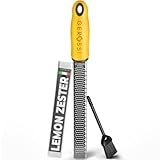
- Made in USA vs. alternatives: The Microplane Premium Classic Series and the Microplane Classic Zester Grater in Black are made in the USA with 18/8 stainless steel and are noticeably sharper out of the box than budget stamped graters like the MasterChef Lemon Zester Grater, which is functional but typically requires 20-30% more pressure for the same yield.
2. How to Zest Citrus Without Hitting the Pith
The goal is to remove only the colored outer layer, or zest, where the aromatic oils live. The white pith underneath is bitter and spongy and will make your blade clog. A large, firm lemon yields about 1 tablespoon of finely grated zest, a medium orange yields about 1.5 to 2 tablespoons.
- Prep the fruit: Wash and thoroughly dry the citrus. Any moisture makes the zest clump. For maximum yield, leave the fruit whole and at room temperature. Cold fruit releases less oil.
- Hold correctly: Grip the zester handle firmly in your dominant hand with the blade facing away from you, or rest the tip on a cutting board at a 30 to 45-degree angle for stability. Hold the fruit in your other hand.
- Use light, short strokes: Lightly drag the fruit across the top third of the blade in 2 to 3-inch strokes, using the weight of the fruit, not muscle. Rotate the fruit a quarter-turn after every 3 to 4 strokes to avoid the pith. Stop when you see white.
- Collect smart: Zest directly over a piece of parchment, a small bowl, or right over the dish. To release zest stuck to the underside of the blade, tap the side of the zester gently or use a pastry brush. Never run your finger down the sharp edge.
3. How to Grate Hard Cheese, Garlic, and Spices
The same light-pressure technique works for aged cheeses and aromatics, but the food is more fragile and the blade will load up faster. For Parmesan, Pecorino Romano, or aged Asiago, chill the cheese for 15 minutes before grating to get fluffier, less clumpy shavings.
- For hard cheese: Hold a 2 to 3-ounce block of cheese and stroke it down the blade away from you. Let the fine, powdery cheese fall onto the dish or a plate. About 1 ounce of Parmesan produces roughly 3/4 cup lightly packed grated cheese with a Microplane, compared to about 1/2 cup from a box grater.
- For garlic and ginger: Peel the clove or a 1-inch knob of ginger. Hold it flat and grate with short, careful strokes. The etched blade creates a fine puree that disperses instantly into dressings and sauces. Use the narrow tip of the zester for small pieces to keep your fingers clear.
- For nutmeg and chocolate: Hold the whole nutmeg seed or a small chocolate bar and grate 4 to 5 passes for about 1/4 teaspoon of fresh nutmeg. This is far more aromatic than pre-ground. With chocolate, freeze the bar for 10 minutes first to prevent melting.
4. Grip, Angle, and Safety That Prevents Nicks
Most injuries happen because users press too hard or grate toward their hand. The blade is surgical-sharp and needs almost no force.
- Stabilize the tool, not your hand: The safest method for beginners is to place the zester flat with the grating surface up and the non-slip foot braced on a cutting board, or hold it at an angle with the tip anchored. Both the Microplane Premium Classic Series and the OXO Good Grips Etched Zester have non-slip ends designed for this braced position.
- Keep fingers behind the food: Grip citrus or cheese on the side, not on top. When the piece gets smaller than about 1.5 inches, stop and save the nub for another use. Do not try to grate the last sliver.
- Let the blade do the work: If you are pressing hard enough to flex the blade, you are pressing too hard. Light, gliding strokes give you more control and a finer result. Aim for 10 to 12 light passes instead of 4 heavy ones.
- Work over a bowl: Grating over a wide, shallow bowl gives you a clear view and keeps your non-dominant hand away from the cutting zone.
Tips
- Do not wash citrus with soap before zesting: Warm water and a good rinse are sufficient. Zest first, then juice. Zesting a cut lemon is slippery and yields 30% less because the fruit deforms under pressure.
- Clean immediately: Rinse the blade under warm running water immediately after use, brushing from the back side to push fibers out. A clogged blade left to dry can take 3 times longer to clean. All stainless models are dishwasher safe on the top rack, but hand-rinsing preserves sharpness far longer.
- Store with the cover on: Always use the included plastic blade guard. Storing a zester loose in a drawer dulls the etched teeth and is a cut hazard. Wall-mount it or keep it in the guard.
- Grate frozen ginger and chocolate: Keep a knob of ginger and a bar of bittersweet chocolate in the freezer. You can grate them frozen without peeling or chopping, which is faster and creates less mess than using a knife or food processor.
Frequently Asked Questions
What is the difference between a zester and a grater?
Functionally, a classic Microplane zester is a fine grater. The term zester refers to its original purpose of removing citrus zest, but the same fine blade is perfect for hard cheese, garlic, and spices. Models like the Microplane Classic Zester Grater in Black and the MasterChef Lemon Zester Grater are marketed for both tasks because the cut is identical. A box grater has larger, coarser holes for shredding.
Why does my zest clump together or turn bitter?
Clumping is usually caused by wet fruit or heavy pressure that presses oils and pith together. Dry your citrus completely and use feather-light strokes. Bitterness means you grated too deep and included white pith. Rotate the fruit frequently and stop as soon as the bright color is gone and white appears.
Can I use a Microplane on soft or semi-hard cheese?
No. Soft cheeses like fresh mozzarella, cheddar, or fontina will smear and clog the fine etched teeth and you will end up with a paste rather than shavings. Stick to hard, aged cheeses that are 12 months or older with less than 35% moisture, such as Parmesan, Grana Padano, and aged Manchego.
How long does a Microplane stay sharp and when should I replace it?
With home use of 2 to 3 times per week and hand-washing, a Microplane Premium Classic blade stays razor-sharp for 4 to 6 years. You will know it needs replacement when you have to apply noticeable pressure to get fine shavings, or when the zest comes out in thicker strips rather than a fine powder. Budget stamped blades dull faster, often within 12 to 18 months.
Conclusion
Great zesting is about finesse, not force. Keep your blade sharp, your fruit dry, and your pressure light with short, controlled strokes away from your hand. Master that one motion and you will add brighter flavor to pastas, salads, baked goods, and cocktails with almost no extra prep time. Start with a lemon and a block of Parmesan to practice the angle, then expand to fresh ginger, garlic, and nutmeg once the motion feels natural.



Write Your Review
No reviews yet. Be the first to share your experience!