
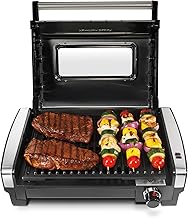
- Top Pick: Hamilton Beach Electric Indoor Searing Grill With Lid & Viewing Window | Adjustable Temperature Control To 450°F | 118 sq. in. PFAS-Free Removable Non-Stick Cooking Surface | Stainless Steel
- Best Value: Hamilton Beach Steak Lover's Electric Indoor Searing Grill, Nonstick 100 Square, Stainless Steel (25331), Black and Stainless, Medium | Adjustable Temperature Control To 500° F | Non-Stick PFAS-Free 100 sq. in. Cooking Surface | Black & Stainless Steel
- Premium Choice: Gemelli Home Indoor Steakhouse Grille, Stainless Steel Electric Grill | Infrared ceramic heating up to 1560°F sears in the Maillard effect for steakhouse results
A great steak is defined by its crust, that deeply browned, savory exterior that only forms at high heat, and that is exactly where most indoor electric grills disappoint. Many run too cool to trigger a proper sear, leaving you with gray, steamed meat instead of a steakhouse char. But a well-chosen searing grill genuinely can deliver restaurant-quality results indoors, no charcoal or smoke alarm required, if you know which specifications actually matter.
This guide explains how to select an electric grill that can truly sear steak, from wattage and temperature range to plate material and design. We then point to strong 2026 options so you can bring that coveted crust to your kitchen year-round, whatever the weather outside.
As an Amazon Associate we earn from qualifying purchases at no extra cost to you.




⚡ Save on Your Next PC — Amazon Prime
Prime members get fast free shipping on the systems above, plus early access to Prime Day & Black Friday PC deals. New members get a 30-day free trial.
Watch: How to Select an Electric Grill for Searing Steak — Video Review
Why Wattage and Temperature Matter Most
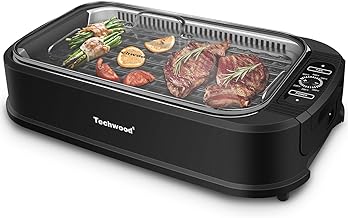
Searing is a heat problem before anything else. To brown a steak’s surface without overcooking the interior, the grill must reach and hold roughly 450 to 500°F. That takes power, so look for a unit rated around 1,500 watts or more; models like the Techwood 1500W smokeless grill have the output to sear rather than steam. Just as important is a high maximum temperature setting and the ability to recover heat quickly after you lay a cold steak on the plates, since a grill that stalls loses the crust before it forms.
Open Grill vs. Contact Grill
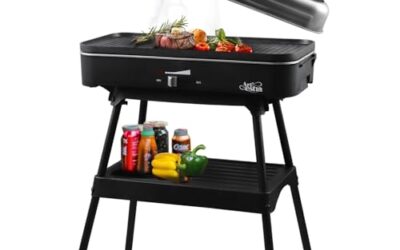
You will choose between two designs. Open grills like the Hamilton Beach Electric Indoor Searing Grill expose the steak to a single hot surface with a lid, letting you sear one side hard, flip, and control doneness like an outdoor grill. Contact grills press both sides at once for speed but can be harder to build a deep crust with. For steak specifically, a dedicated searing grill with a strong single-surface heat, such as the Hamilton Beach Steak Lover’s model, usually delivers a better char.
Plate Material and Design
- Cast or heavy nonstick plates hold and radiate heat better, giving a more even, aggressive sear than thin stamped surfaces.
- Ridged plates create classic grill marks and channel fat away, while flat plates maximize surface contact for an all-over crust.
- A removable, dishwasher-safe plate makes cleanup after a fatty steak far less painful.
- Infrared or ceramic heating elements, like those in the Gemelli Home indoor steakhouse grille, help reach searing temperatures fast.
Smoke Control and Extras
Searing fatty steak indoors means smoke, so features that manage it matter. Smokeless designs with water-tray drip management and a tempered glass lid contain splatter and reduce smoke, letting you sear without setting off alarms. A viewing window helps you watch the crust develop, and adjustable temperature dials give you the control to reverse-sear thicker cuts. Prioritize a model that lets fat drain away from the heat rather than pooling and smoking.
Tips
- Preheat the grill fully for several minutes so the plates are searing-hot before the steak touches them.
- Pat the steak completely dry and salt it ahead of time; surface moisture is the enemy of a good crust.
- Do not move the steak once it is down; let the crust form before flipping.
- Use a meat thermometer and pull the steak a few degrees early, since it keeps cooking as it rests.
Frequently Asked Questions
Can an electric grill really sear steak like a cast-iron pan?
A high-wattage searing grill that reaches around 450 to 500°F can produce an excellent crust indoors. The key is enough power and heat retention; low-wattage grills tend to steam rather than sear.
What wattage do I need to sear steak?
Aim for roughly 1,500 watts or more with a high maximum temperature. That output lets the grill reach searing heat and recover quickly after you add cold meat.
Open grill or contact grill for steak?
Open searing grills generally build a better crust on steak because you control each side over a single hot surface, while contact grills are faster but can make a deep sear harder to achieve.
How do I reduce smoke when searing indoors?
Choose a smokeless design with a water drip tray and tempered glass lid, trim excess fat, and keep the grill under a running range hood. Draining fat away from the element is what cuts the smoke.
Conclusion
Selecting an electric grill that can actually sear steak in 2026 comes down to power, at least 1,500 watts, a high temperature range, heat-retaining plates, and smart smoke control. Pair the right grill with a dry, well-salted steak and proper preheating, and you can produce a steakhouse crust in your own kitchen no matter the season.




Write Your Review
No reviews yet. Be the first to share your experience!