
Investing in an electric meat slicer transforms how you handle food preparation at home, whether you are slicing weekly charcuterie, portioning homemade jerky, or processing wild game after a successful hunting season. However, navigating the market can be overwhelming with countless models promising professional results while masking subpar engineering. In 2026, the gap between a frustrating kitchen gadget and a reliable culinary tool often comes down to a few critical performance indicators that manufacturers do not always highlight on the box.
Choosing the right machine requires looking past flashy marketing and evaluating how core mechanics align with your actual cooking habits, counter space, and frequency of use. By understanding the mechanical differences between residential and heavy-duty options, you can avoid common buyer remorse pitfalls and select a slicer that delivers consistent, paper-thin cuts for years to come. Let us break down the exact specifications and features that genuinely matter when making your investment.
As an Amazon Associate we earn from qualifying purchases at no extra cost to you.
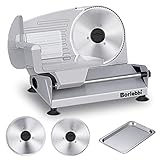
Blade Diameter and Edge Type
The blade is the beating heart of any electric meat slicer, dictating both the maximum size of the food you can process and the quality of the cut. Most home-kitchen models feature blades ranging from compact variants to larger restaurant-style disks. A larger blade diameter is essential if you regularly slice dense artisan loaves of bread, large rounds of cured ham, or thick roasts without having to awkwardly manipulate the food against the guard.
Beyond size, you must consider whether the blade is serrated or non-serrated. Serrated blades excel at cutting through tough crusts, fibrous meats, and partially frozen items, but they can tear delicate cheeses or soft tomatoes. Non-serrated blades deliver ultra-clean, pristine deli-style cuts on roast beef, turkey, and salumi, but they require frequent sharpening to maintain their edge. If you process a wide variety of foods, look for models that allow easy blade swapping.
Motor Power and Drive Mechanisms
Motor strength directly influences how long you can run the appliance continuously and how it handles resistance. Low-wattage residential motors can easily stall or overheat when forced to slice dense, cold cuts or fibrous meats for extended periods. Look for a motor that balances power consumption with thermal protection features to prevent burnout during heavy meal-prep sessions.
You should also pay attention to how power is transferred from the motor to the blade. Belt-driven models are common in entry-level and mid-tier slicers, offering quieter operation and enough flexibility to absorb minor shocks if the blade hits a hard spot like bone. Gear-driven machines, conversely, deliver direct, robust power transfer favored for high-volume tasks, though they tend to be noisier and heavier.
Chassis Construction and Materials
The materials used to build the body and food carriage determine the overall stability, longevity, and hygiene of the slicer. Cheap plastic components flex under pressure, resulting in uneven slice thicknesses and a high risk of mechanical failure over time. A rigid chassis made of cast aluminum or stainless steel minimizes vibration during operation, keeping the blade tracking straight and true.
Heavy materials also anchor the unit firmly to your countertop, preventing dangerous sliding while you apply manual pressure to the food pusher. Furthermore, metal surfaces are far less prone to staining from acidic foods like cured meats and are much easier to sanitize thoroughly. Prioritize models where structural stress points are entirely metal rather than reinforced plastic.
Precision Thickness Control Dials
The hallmark of a great meat slicer is its ability to transition seamlessly from translucent, paper-thin sandwich slices to thick, hearty slabs for steaks or casseroles. Inspect the thickness adjustment plate and locking mechanism carefully. Flimsy plastic dials often slip during operation, gradually widening the gap and ruining your cut consistency halfway through a roast.
A dependable slicer features a heavy-duty micro-adjustment knob with positive detents or a secure locking lever that holds the thickness plate rigidly in place. The scale should offer fine increments at the lower end of the range, allowing you to dial in precise millimeters for delicate charcuterie without guessing where the sweet spot lies.
Cleaning Accessibility and Hygiene
An electric meat slicer is only as good as your willingness to clean it after every single use. Meat juices, fats, and microscopic food particles inevitably find their way into the crevices behind the blade, under the carriage, and around the thickness guide. If a machine requires complex tools or a masterclass in disassembly just to clean the blade, it will quickly become a neglected countertop hazard.
Look for thoughtfully engineered designs featuring tool-free blade removal systems, smooth food-contact surfaces without sharp corners, and a removable carriage track. Being able to wipe down the internal housing and wash the removable components in warm soapy water ensures food safety and prevents rancid buildup from contaminating your next meal.
Safety Features and Ergonomics
Operating a high-speed rotating steel blade demands absolute respect for safety protocols. Modern slicers incorporate several non-negotiable features designed to protect your fingers from accidental contact. A sturdy thumb guard integrated into the food carriage, a dedicated blade ring guard that covers exposed edges when the thickness plate is closed, and a recessed power switch all prevent catastrophic mistakes.
Ergonomics play a huge role in safety as well. The food pusher should feature a textured grip and a comfortable angle that allows you to apply smooth, downward and forward pressure without straining your wrist. Non-slip rubber suction feet or heavy locking suction cups are mandatory to anchor the unit securely to slick kitchen countertops.
When to Spend More on an Upgrade
Entry-level meat slicers are perfectly adequate if you only slice a pound of turkey breast once or twice a month for school lunches. However, your budget needs to scale upward if your culinary ambitions involve processing whole deer, curing your own bresaola, or slicing large quantities of meat weekly for a large household or catering side hustle.
Investing in a higher-tier appliance buys you robust commercial-grade motors, massive continuous duty cycles, precision ground steel blades, and all-metal construction that lasts for decades rather than a few seasons. If you find yourself frustrated by stalling motors, flexing carriages, or uneven cuts, moving up to a premium model is a worthwhile investment in efficiency and culinary precision.
Related Guides
To round out your countertop preparation setup, explore our expert evaluations covering top-performing models in our roundup of top electric meat slicers. Additionally, if you need uniform fruit and vegetable cuts to accompany your sliced charcuterie, take a look at our curated picks for precision mandoline slicers.
FAQ
Can electric meat slicers cut frozen meat?
Most standard residential slicers struggle with fully frozen meat and risk damaging the motor or chipping the blade. However, semi-frozen or partially thawed meat with ice crystals removed is actually ideal for achieving clean, uniform slices.
How do I prevent cheese from sticking to the blade?
Cheese has high fat and moisture content that creates heavy drag and smearing on standard steel blades. To combat this, chill the cheese thoroughly in the freezer for fifteen minutes before slicing, and periodically wipe the blade down with a damp cloth or food-grade mineral oil.
Do I need a serrated or non-serrated blade?
Non-serrated blades are best for clean, smooth deli cuts of meat and soft charcuterie, whereas serrated blades are better suited for crusty breads and fibrous foods. Many versatile machines allow you to swap between blade types depending on what you are preparing.
How often should I sharpen my meat slicer blade?
Sharpening frequency depends on how often you use the machine and the types of food you process. If you notice the blade tearing meat rather than slicing cleanly, or if you feel excessive drag while pushing food through, it is time to use the built-in or manual sharpener.





Write Your Review
No reviews yet. Be the first to share your experience!