
When shopping for a salad bowl, it is easy to get distracted by aesthetic finishes and forget about the practical realities of daily meal prep. Choosing the right vessel involves balancing material safety, ease of tossing, and capacity to ensure your greens stay crisp and dressings distribute evenly without spilling over the counter.
Whether you are upgrading your kitchenware in 2026 or building out a wedding registry, understanding the core specifications prevents buyer’s remorse. Let us break down what truly matters when evaluating materials, sizes, ergonomics, and maintenance requirements for your next kitchen investment.
As an Amazon Associate we earn from qualifying purchases at no extra cost to you.
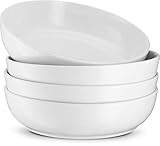
Material Matters: Wood, Ceramic, Glass, or Stainless Steel
The material of your salad bowl dictates not only its look on the dining table but also its durability and how it reacts to certain foods. Wooden bowls bring a warm, rustic charm and are traditionally favored for Caesar salads because they season over time, though they require hand-washing and occasional oil conditioning to prevent cracking. Ceramic and stoneware options offer heavy-duty stability and incredible heat retention if you use them for warm grain bowls, but they are susceptible to chipping along the rim if banged against granite countertops.
Glass bowls provide pristine clarity, allowing you to showcase colorful layered salads, yet they tend to be heavy and slippery when wet. Stainless steel, on the other hand, is ultra-lightweight, completely shatterproof, and exceptional for aggressive tossing, though it lacks the formal presentation value of ceramic or wood during dinner parties. Consider your primary setting—whether casual weeknight dinners or formal hosting—to select the ideal material.
Sizing and Capacity for Your Household
Bowl capacity is frequently misunderstood, leading many home cooks to purchase vessels that are either too cramped for proper tossing or excessively bulky to store. For single-serving meal-sized salads, a four-to-six-quart bowl is generally ideal because it leaves ample empty space at the top. This headspace is non-negotiable; without it, vigorously tossing greens with olive oil and vinegar results in ingredients flying onto your kitchen counter.
If you regularly host dinner parties or prepare large batches for meal prep, look toward larger capacities. However, keep your cabinet and refrigerator shelf dimensions in mind. An oversized bowl that does not fit on your fridge shelf will quickly become an inconvenient storage burden during your weekly routine.
The Importance of Bowl Shape and Depth
The geometric profile of a bowl directly influences its daily functionality. Deep, steep-sided cylinders might look modern, but they trap moisture at the bottom and make it difficult to coat every leaf evenly with dressing. Conversely, shallow, wide-rimmed bowls offer maximum surface area, making them exceptionally easy to toss, serve from, and garnish.
Look for bowls featuring a gently sloping interior curve that transitions smoothly to a flat or slightly rounded base. This contour ensures that heavy ingredients like cherry tomatoes, nuts, and cheeses do not permanently accumulate in a single hidden pocket at the bottom, promoting a balanced bite in every serving.
Weight, Ergonomics, and Tossing Comfort
A great salad bowl must feel comfortable in your hands when you are lifting, tilting, or carrying it to the table. Extremely heavy stoneware can become a wrist strain when filled to the brim with wet greens and heavy proteins. On the flip side, ultra-light plastic bowls can feel flimsy and slide around your kitchen island while you work.
Examine the rim design as well. A slightly flared or thickened rim provides a secure, natural thumb grip when you are holding the bowl with one arm and serving with the other. This small ergonomic detail drastically reduces the likelihood of slippery kitchen accidents.
Durability, Dishwasher Safety, and Maintenance
Low-maintenance kitchenware saves time, but convenience often comes with trade-offs. While dishwasher-safe glass and stainless steel can withstand aggressive cleaning cycles, fine ceramics with hand-painted details or wooden bowls will degrade rapidly in high heat and harsh detergents. Check manufacturer guidelines before assuming a bowl can handle machine washing.
If you invest in high-end wood or delicate stoneware, factor the extra upkeep into your purchasing decision. A bowl that requires meticulous hand-washing after every single use might end up sitting unused in the back of your pantry if it does not fit your actual lifestyle.
When to Spend More Versus When to Save
Budget allocation depends entirely on how you intend to use the vessel. If the bowl will double as a centerpiece on your dining table and be used for entertaining, investing in artisan ceramic, carved hardwood, or heavy crystal is often worth the higher price point. Premium craftsmanship ensures better glazing, superior balance, and long-lasting aesthetic appeal.
Conversely, if you need a durable container strictly for tossing high-volume weeknight salads or mixing ingredients before packing lunches, a simple, utilitarian stainless steel or melamine option provides maximum performance at a fraction of the cost. Prioritize your spending based on visibility and frequency of use.
Related Guides
To explore more top-tier kitchen gear for your home, take a look at our top-rated salad bowls for detailed performance evaluations. Additionally, if you love hosting large gatherings, check out our guide on versatile punch bowls to find excellent options for serving beverages to crowds.
FAQ
What size salad bowl is best for everyday use?
A four-to-six-quart capacity is typically the sweet spot for everyday household use. This size provides enough room to thoroughly toss ingredients without overcrowding or spilling greens over the edge.
Can wooden salad bowls go in the dishwasher?
No, wooden bowls should always be hand-washed with mild soap and warm water immediately after use. The intense heat and harsh detergents in a dishwasher will dry out the wood, causing it to warp and crack.
Why is the shape of a salad bowl important?
Bowl shape determines how effectively you can distribute dressings and mix ingredients. Wide, shallow bowls with gently curved bottoms allow for even tossing and prevent heavy toppings from sinking entirely to the bottom.
How do I prevent my ceramic salad bowl from chipping?
Store ceramic bowls with protective felt pads between them if they are stacked, and avoid banging them against hard surfaces like stone countertops. Hand-washing rather than loading them into a crowded dishwasher can also reduce accidental impacts.
Write Your Review
No reviews yet. Be the first to share your experience!