
Enjoying a fine bourbon, scotch, or rye often brings up a classic debate among spirits enthusiasts: how to lower the temperature of the drink without altering its proof and flavor profile through melting ice. Traditional ice cubes melt rapidly, releasing water that opens up some whiskies but over-dilutes others, muting the subtle notes of peat, oak, and caramel. Enter whiskey stones, a specialized alternative engineered to cool spirits down without introducing a single drop of water into your favorite glassware.
- Material Matters: Soapstone, Granite, and Stainless Steel
- Thermal Mass and Shape: Why Geometry Influences Chill
- Avoiding Glassware Scratches: Edge Finishing and Softness
- Freezing Efficiency and Thermal Retention Times
- Set Size, Capacity, and Pour Ratios
- Taste, Odor, and Maintenance Best Practices
- Related Guides
- FAQ
- Related Guides
However, not all chilling stones perform equally. As material science and consumer expectations evolve into 2026, finding the right set requires looking beyond novelty packaging and focusing on measurable performance metrics. From thermal retention to glassware safety, understanding what makes a quality set ensures your next pour is crisp, flavorful, and properly chilled without compromise.
As an Amazon Associate we earn from qualifying purchases at no extra cost to you.
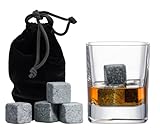
Material Matters: Soapstone, Granite, and Stainless Steel
The foundation of any chilling stone is its material, and each option behaves differently in the glass. Soapstone is the traditional choice; it is naturally soft, chemically inert, and feels pleasant against the glass, though it holds a mild chill rather than a deep freeze. Granite offers a harder, more durable surface that resists chipping and holds cold temperatures slightly longer, but its rougher texture requires careful polishing to protect your barware.
Stainless steel stones, often filled with a non-toxic gel or liquid core, represent the modern evolution of chilling technology. These metallic cubes achieve and maintain much lower temperatures than natural stone, cooling your dram faster and keeping it cold for a longer duration. The trade-off is aesthetics and feel; some purists prefer the traditional look of natural rock, while others embrace the sleek, modern utility of steel.
Thermal Mass and Shape: Why Geometry Influences Chill
When evaluating whiskey stones, physics dictates performance. Thermal mass determines how much heat the stone can absorb from the liquid. Larger cubes provide more mass, but they also displace more whiskey, meaning you might need to adjust your pour size to submerge them properly without overflowing the glass.
Furthermore, shape matters for surface contact. Standard square cubes maximize contact with the bottom and sides of the glass, while cylindrical or sphere-shaped stones roll more freely. Avoid novelty shapes like stars or skulls with sharp points; while visually striking, they offer less surface-area contact with the liquid and can create awkward gaps in smaller tumblers.
Avoiding Glassware Scratches: Edge Finishing and Softness
One of the most common complaints about alternative chilling media is the potential to damage expensive crystal or heavy-bottomed whiskey glasses. Natural stones like granite can have abrasive edges if they are not tumbled and polished correctly during manufacturing. When shopping for natural stone sets, look for tumbled edges that feel smooth to the touch.
Stainless steel alternatives generally eliminate the risk of scratching traditional crystal because their outer shells are smooth, rounded, and uniform. If you prefer natural stone, inspect the finishing closely or look for brands that explicitly state their stones have been hand-rounded to protect delicate glassware from accidental chips and scratches during swirling.
Freezing Efficiency and Thermal Retention Times
A chilling stone is only as good as its time spent in the freezer. Natural stones typically require at least four hours in a dedicated freezer compartment to reach their optimal chilling temperature. Even then, they are designed to lower a room-temperature pour by a modest number of degrees, rather than frost the glass like traditional ice.
Gel-filled stainless steel cubes usually freeze faster—often within two hours—and provide a more aggressive chill. If you prefer your whiskey ice-cold rather than just lightly chilled, steel options with internal cooling agents are superior. Consider your personal temperature preference when deciding whether natural stone or metal fits your drinking habits.
Set Size, Capacity, and Pour Ratios
Most whiskey stone sets come in packages of four or six pieces. Understanding how many stones to use per pour is critical for achieving the desired temperature. For a standard two-ounce pour, two to three natural soapstone or granite cubes are typically required to make a noticeable thermal impact.
Because natural stones have limited thermal capacity, overloading a small glass can crowd the whiskey and make drinking awkward, while underloading will leave your drink virtually unchilled. Stainless steel options often require fewer pieces—sometimes just one or two—due to their higher internal thermal retention. Always check manufacturer guidelines regarding the ideal ratio of stones to liquid volume.
Taste, Odor, and Maintenance Best Practices
Because freezers are notorious for harboring ambient food odors, the porosity of your chilling stones is a major factor in preserving your whiskey’s flavor profile. Soapstone is relatively non-porous, but certain natural rocks can absorb microscopic food particles or freezer odors if stored uncovered in the freezer.
To prevent your bourbon from tasting faintly of leftover freezer meals, look for non-porous materials or sets that include a dedicated, sealing storage pouch or plastic container. Stainless steel is entirely non-porous and hygienic, ensuring zero flavor transfer between your freezer and your glass. Maintenance is equally straightforward; most natural stones require gentle hand washing with warm water and mild soap, while select stainless steel versions offer dishwasher-safe convenience for easy cleanup.
Related Guides
For more insights on upgrading your home bar equipment, read our best whiskey stones for chilling without diluting to see how top-performing materials stack up in real-world testing.
FAQ
Do whiskey stones actually make your drink cold?
Yes, but they chill drinks differently than ice. They lower the temperature of a standard pour by a modest amount without cooling it to near-freezing levels.
How long should I freeze whiskey stones before using them?
Most natural stone sets require a minimum of four hours in the freezer, while liquid-filled steel cubes typically freeze in about two hours.
Can whiskey stones scratch my crystal glasses?
Natural stones with poorly tumbled edges can scratch delicate glass. Choosing smooth stainless steel options or well-polished, rounded granite minimizes this risk.
How do I clean my whiskey stones after use?
Most stones can be washed with warm water and mild, unscented soap, then dried completely before being placed back into their freezer storage container.
Write Your Review
No reviews yet. Be the first to share your experience!