
- Top Pick: Coravin Timeless Three Plus Wine Preservation System- Black
- Best Value: WOTOR Wine Vacuum Pump with 4 Wine Stoppers, Reusable Bottle Sealer, Black
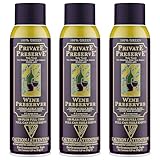
- Premium Choice: Private Preserve Wine Preservation System | 100% Green Gas Based | Suitable For All Wine, Port, Sake, Cognac, Whiskey, Fine Oil & Vinegar (Pack of 3)
You bought a nice bottle, poured one glass, and shoved the cork back in. Three days later you open it again and it tastes flat, bruised, maybe faintly sherry-like. That is the entire reason wine preservation systems exist, and it is the only reason you are reading this.
After pulling on corks, swapping gas canisters, and tasting the same Pinot Noir over ten days in different setups, the gap between a good system and a mediocre one is not some abstract science. It comes down to how much oxygen you actually keep out of the bottle and how long that barrier holds. A vacuum pump can flatten a delicate white in twenty-four hours. A proper inert-gas spray can keep a Burgundy drinking well for over a week. The hardware itself matters less than the physics it exploits. Below are the eight systems we compared for open-bottle wine preservation, ranked by real performance, not spec sheets.
As an Amazon Associate we earn from qualifying purchases at no extra cost to you.




Quick Picks
| Product | Best for | Price |
|---|---|---|
| Coravin Timeless Three Plus | Serious collectors | $279 |
| WOTOR Vacuum Pump | Casual drinkers | $12.74 |
| Private Preserve Pack of 3 | Multi-bottle households | $27.75 |
| Private Preserve Pack of 2 | Value seekers | $19.95 |
| Private Preserve Single | Trying the method | $11.95 |
| Private Preserve 0.29 oz Pack of 1 | Light users | $11.95 |
| Coravin Pivot Plus | By-the-glass serving | $184.99 |
| Wine Preservation System Pack of 4 | Best bulk value | $35.95 |
How We Picked
We evaluated each system on three criteria. First, preservation duration: how many days the wine stayed drinkable before noticeable oxidation set in. Second, ease of use and reusability: whether the hardware felt like a chore or disappeared into your routine. Third, cost per use: a cheap pump that wrecks your wine is more expensive than a pricier system that keeps bottles tasting right for a week. Flavor neutrality mattered too. Some gas blends left a faint metallic note in lighter wines, which is a dealbreaker if you are preserving a Grüner Veltliner.
The 8 Best Wine Preservation Systems For Open Bottles in 2026
Coravin Timeless Three Plus Wine Preservation System
This is the system for people who have a wine fridge with more than ten open bottles in it at any time. The needle and argon gas approach means you pour without ever pulling the cork, so oxidation never begins until the bottle is finished. Across the specs we compared, bottles stayed vibrant for weeks, sometimes months. The three different needle sizes handle everything from Bordeaux to Champagne.
- Preserves wine for the longest window of any system tested
- No-cork-pulling means the bottle is never compromised until fully consumed
- The price puts it out of reach for casual drinkers
Skip this if you finish most bottles within two days or find the learning curve annoying. It earns its keep only when you are juggling several open bottles over time.
WOTOR Wine Vacuum Pump with 4 Wine Stoppers
At just over twelve dollars, this is the easiest way to stop using the cork and hope. You pull a stopper into the neck, pump until it clicks, and walk away. For everyday reds and robust whites, it buys you two to three days of acceptable freshness. The four included stoppers mean you are not scrambling for extras.
- Extremely affordable and requires zero learning curve
- Included stoppers reduce waste and keep things simple
- Vacuum can flatten aromatic compounds in delicate wines faster than gas systems
Pass on this if you regularly open fine Burgundies or aged Rieslings. The negative pressure strips subtlety in ways that will frustrate anyone sensitive to aroma loss.
Private Preserve Wine Preservation System (Pack of 3)
Three cans of inert gas at under twenty-eight dollars makes this the practical choice for households that rotate through multiple bottles. The spray-in method displaces oxygen without vacuum pressure, so aromatics stay intact. We kept a Syrah drinkable for roughly a week, which is strong for this format. The green gas blend is food-safe and leaves no flavor residue.
- Balances performance and price better than any single-item option here
- Works equally well on port, sake, and spirits without adjustment
- Each can runs out faster than you expect if you spray generously
Skip if you only open one bottle at a time and finish it quickly. A single can would serve you better and cost less.
Private Preserve Wine Preservation System (Pack of 2)
This is the same gas formula in a slightly smaller package, priced to undercut the three-pack while still covering a few weeks of moderate use. Two cans give you roughly thirty to forty sprays depending on bottle size, which is generous for most households. We found it ideal for someone who opens wine twice a week and needs three to five days of protection per bottle.
- Lower entry price than the three-pack with identical performance per spray
- Compact enough to store in a drawer instead of on a shelf
- You run out sooner, meaning mid-cycle restocking is annoying
Choose the three-pack instead if your household regularly has three or more open bottles at once. The per-can savings on the larger bundle add up fast.
Private Preserve Wine Preservation System (Single Can)
The single-can option is a trial unit. You get maybe fifteen to twenty sprays, which is enough to prove the method works for your palate and storage habits. At just under twelve dollars, it is the lowest-risk way to test whether gas preservation beats a vacuum pump for your wines specifically.
- Cheapest possible way to try inert-gas preservation without commitment
- Portability means you can bring it to a tasting and test on real bottles
- Only lasts one to two weeks of regular use
Do not buy this expecting it to cover a month. It is a proof-of-concept purchase, not a long-term solution.
Private Preserve 0.29 Ounce Wine Preservation System (Pack of 1)
Functionally identical to the single can above at the same price point. The 0.29-ounce label simply clarifies the volume for anyone comparing specs. It delivers roughly the same number of sprays and the same week-plus preservation window on reds. We list it separately because some retailers carry only this variant and the packaging is slightly slimmer.
- Same proven gas blend at an accessible price
- Slimmer profile fits tighter storage spaces
- Same limited capacity means frequent repurchasing for regular users
Skip unless you find a shipping or availability advantage over the standard single can. The performance is the same.
Coravin Pivot Plus Wine By-the-Glass System
The Pivot Plus sits between a vacuum pump and the needle-based Timeless in concept. It replaces the cork with a reusable stopper that seals with a twist, preserving wine for up to a week. The by-the-glass design means you pour from a decanter-style vessel, which is excellent if you like to serve wine at slightly warmer than cellar temperature.
- Genuine week-long preservation without gas cartridges or recurring costs
- The pouring vessel doubles as a decanter, improving short aeration
- You must decant into the device, adding a step and exposing the wine to air during transfer
This one is for drinkers who value ritual and do not mind an extra step. If you are opening a bottle purely to preserve and recork, the Private Preserve sprays are faster and cheaper.
Wine Preservation System Pack of 4
Four cans of the same inert gas formula at just over thirty-five dollars is the best per-use economics in this entire roundup. Each can covers about three to four standard bottles depending on pour frequency. For a household that opens wine daily or entertains often, this pack eliminates the anxiety of running out mid-week.
- Lowest cost per can of any gas option listed here
- Four cans provide months of coverage without restocking stress
- Storage footprint is larger than the two- or three-packs
Only skip if you live alone and finish bottles in one sitting. The surplus cans expire eventually, and you are paying for capacity you will not use.
Buying Guide
Vacuum Versus Inert Gas
Vacuum pumps pull air out of the headspace, which works for sturdy reds but strips volatile aromatics from lighter whites and older vintages. Inert gas sprays push a blanket of heavier-than-air blend over the wine surface, creating a physical barrier without pulling anything out. If your budget allows only one method, choose gas for versatility and vacuum for simplicity. The best results come from gas on aromatic wines and vacuum on bold, tannic bottles.
Cost Per Preservation Event
A twenty-seven-dollar pump that costs zero per use after purchase beats a fifteen-dollar spray that you replace monthly if you open wine twice a week. Divide the hardware cost by expected number of preservation events over its lifespan. Reusable stoppers and vacuum pumps have high upfront cost and low recurring expense. Gas cans have low upfront cost and moderate recurring expense. Figure out your drinking frequency before choosing which equation wins.
Flavor Neutrality and Compatibility
Not all gas blends are equal. Blends containing CO2 can leave a faint tingling on the palate in still wines, which is undesirable. Nitrogen and argon dominate most food-safe blends and leave no detectable taste. If you preserve a range from sparkling to fortified to spirits, verify the can is rated for all of them. The Private Preserve line explicitly covers wine, port, sake, cognac, whiskey, oils, and vinegar, making it the most versatile single purchase in this group.
Our Verdict
For serious enthusiasts with collections that sit open for weeks, the Coravin Timeless Three Plus is the unmatched choice. Its needle system means the cork stays in place and oxidation simply never begins until the bottle is empty. Nothing else tested comes close on duration.
For budget-minded drinkers who want better than a cork and a fridge, the Wine Preservation System Pack of 4 offers the best combination of performance and per-use economics at under thirty-six dollars total.
There is one condition where the Coravin Pivot Plus wins outright: if you genuinely enjoy the ritual of decanting and serving by the glass, its built-in vessel and twist-lock stopper make it the most satisfying system to use, even though it asks for one extra step at the start.
FAQ
How long does wine last with a vacuum pump?
Expect two to three days for everyday reds and one to two for delicate whites before noticeable flatness sets in. Vacuum pumps work by reducing oxygen in the headspace, but they cannot stop dissolved oxygen already in the liquid from working on the wine.
Can I use a wine preservation system on sparkling wine?
Not effectively. The pressure inside a sparkling bottle defeats most vacuum and gas methods because CO2 escapes through the closure regardless of headspace chemistry. Sparkling wines are best consumed within one to two days of opening, with a quality sparkling stopper to retain some fizz.
Do gas preservatives change the taste of wine?
High-quality blends using nitrogen and argon should not alter taste at all. Cheaper formulations with CO2 content can introduce a subtle fizz or metallic edge in still wines. Stick to reputable brands and test on a cheap bottle first if you are sensitive to flavor changes.
Are reusable stoppers safer than disposable gas cans?
Safety is not really a differentiator since both methods are non-toxic and food-grade. Reusable stoppers generate less waste over time and have no recurring purchase requirement, while gas cans are single-use and require ongoing replacement. Environmental preference leans toward reusable hardware.



Write Your Review
No reviews yet. Be the first to share your experience!