
Selecting the right punch bowl can elevate a gathering from a casual get-together to a memorable event, yet many hosts find themselves struggling with flimsy materials, awkward sizing, or designs that chip at the first sign of a celebratory toast. Navigating the sheer variety of materials, styles, and structural features requires looking past purely aesthetic appeal to evaluate functional durability. Whether you are hosting a holiday open house, a summer garden party, or an intimate anniversary celebration, understanding the core mechanical and material differences will save you from messy spills and buyer’s remorse.
- Material Matters: Glass, Acrylic, or Stainless Steel?
- Sizing and Capacity: Matching Bowl Volume to Guest Count
- The Ladle and Glassware Compatibility Factor
- Base Stability and Weight Distribution
- Multi-Use Versatility and Dual-Purpose Design
- Cleaning, Maintenance, and Storage Realities
- Related Guides
- FAQ
- Related Guides
This guide cuts through the marketing fluff to focus on the objective specifications that truly matter. We will examine how different materials handle temperature and impact, how to accurately calculate the liquid capacity you need for your guest list, and why base stability is the single most overlooked safety feature. By prioritizing these structural elements, you can invest in a centerpiece piece of serveware that performs flawlessly year after year without demanding excessive storage space or delicate handling.
Material Matters: Glass, Acrylic, or Stainless Steel?
Glass offers unmatched optical clarity and a traditional, elegant look that elevates formal gatherings. However, it is heavy and susceptible to chipping or shattering upon impact. Acrylic and Tritan plastics provide a lightweight, shatterproof alternative that makes hosting outdoors or around children significantly safer, though they can scratch more easily over time if abrasive scouring pads are used during cleanup. Stainless steel and copper-plated bowls bring a modern industrial or rustic farmhouse charm to the table while providing supreme durability and excellent thermal retention if you want to keep your chilled drinks cold for hours. Consider your primary hosting environment—whether indoor formal dining rooms or bustling backyard patios—before committing to a specific material composition.
Sizing and Capacity: Matching Bowl Volume to Guest Count
Calculating the correct volume is crucial to avoid constant kitchen refills or, conversely, dealing with an overwhelmingly massive vessel that dwarfs your table setup. Most standard punch bowls range from two to five gallons in capacity. For intimate dinner parties of eight to twelve people, a two-gallon bowl provides ample space without requiring excessive batches of beverage. Large family reunions, holiday parties, or neighborhood mixers with twenty or more guests demand a three-to-five-gallon capacity to ensure steady service. Always remember to factor in the physical space taken up by large ice rings, floating fruit slices, and the ladle itself, which easily reduce the usable liquid volume by up to twenty percent.
The Ladle and Glassware Compatibility Factor
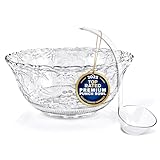
A beautiful punch bowl is functionally useless if the accompanying ladle cannot reach the bottom or if the rim clearance makes scooping an awkward task. Look for bowls featuring a wide, open rim design that allows unrestricted movement for hands and serving tools. The ladle should feature a long handle with an angled hook that prevents it from sliding completely into the liquid, keeping handles sticky-free and sanitary. Additionally, consider the height of your punch cups or glassware relative to the bowl depth. If the bowl sits very high on a deep pedestal, guests may struggle to scoop safely, particularly children or elderly attendees reaching across a crowded buffet table.
Base Stability and Weight Distribution
Safety is rarely discussed in punch bowl aesthetics, but base stability is paramount when dealing with heavy volumes of liquid. Pedestal bowls add a touch of formal elegance and lift the vessel to eye-catching heights, but they can introduce a higher center of gravity. Ensure the pedestal footprint is wide and heavy enough to counteract accidental bumps from passing guests. Flat-bottom bowls resting directly on the table offer maximum tip-resistance, making them ideal for casual, high-traffic environments. Inspect the underside of the base for a smooth, balanced finish that will not rock or scratch fine wooden tabletops during active self-service.
Multi-Use Versatility and Dual-Purpose Design
Kitchen storage space is a precious commodity, making single-purpose seasonal items a tough sell for many modern households. The most practical punch bowls double as multi-functional serveware that can transition seamlessly throughout the year. A wide, shallow bowl design easily converts into a magnificent vessel for tossed green salads, cold pasta dishes, or layered trifles during spring and summer dinners. Alternatively, deep cylindrical models can be repurposed as ice buckets for wine bottles or dramatic centerpieces filled with seasonal gourds and pinecones. Evaluating a bowl’s everyday utility ensures it earns its dedicated cabinet space long after the holiday season concludes.
Cleaning, Maintenance, and Storage Realities
The joy of hosting can quickly evaporate when faced with an hour of meticulous hand-washing and polishing post-party. While glass and stainless steel options are frequently dishwasher-safe, hand-washing is often recommended to preserve intricate cut-glass patterns or metallic surface finishes. Acrylic bowls require special care to prevent cloudy buildup and fine scratches, meaning soft sponges and mild dish soaps are mandatory. Furthermore, consider the physical dimensions of the bowl when storing it away; highly ornate shapes with protruding handles or delicate spouts can be notoriously difficult to stack or fit into standard kitchen cabinetry safely.
Related Guides
If you are looking to expand your serveware collection this season, we have evaluated a wide range of options to fit every occasion. To find top-tier picks, take a look at our Best Punch Bowls in 2026: Compared and Ranked guide. Additionally, if you want versatile serveware that transitions seamlessly from beverages to fresh culinary sides, explore our comprehensive recommendations for the Best Salad Bowls in 2026: Compared and Ranked.
FAQ
Should I choose a glass or acrylic punch bowl for outdoor parties?
Acrylic is generally the safer choice for outdoor gatherings, patios, and pool decks where drops and slips are more likely. High-grade acrylic mimics the clarity of glass without the shatter risk, protecting your guests from dangerous shards. However, if you prefer a traditional aesthetic and plan to use the bowl strictly on stable indoor tables, heavy glass remains unmatched.
As an Amazon Associate we earn from qualifying purchases at no extra cost to you.
How much capacity do I actually need for a party of twenty people?
For a gathering of twenty guests, look for a punch bowl with a capacity of at least three to four gallons. Keep in mind that punch bowls should ideally not be filled to the absolute brim to prevent splashing during self-service. Having extra volume also leaves plenty of room for large ice blocks, fruit slices, and garnishes.
Can my punch bowl double as a salad bowl?
Many modern punch bowls feature wide, shallow designs that transition exceptionally well into large serving vessels for green salads, pasta salads, or fruit displays. Just ensure the material is food-safe, non-porous, and scratch-resistant if metal utensils might be used inside it. Glass and stainless steel options are particularly easy to repurpose for everyday culinary uses.
How do I prevent my punch bowl from sliding on a polished table?
If your punch bowl lacks a built-in silicone or rubber ring on the bottom, stability can be an issue on smooth wood or marble surfaces. Placing a subtle, clear silicone mat or a damp cloth underneath the base provides secure traction. This simple step prevents accidental tipping when guests reach to scoop their drinks.
Write Your Review
No reviews yet. Be the first to share your experience!