
Here is how to clean a cutting board after everyday use: scrape off food, scrub both sides with hot soapy water and a brush, rinse, and stand it on edge to dry completely. After raw meat, poultry or seafood, add a sanitizing step; the USDA’s method is 1 tablespoon of unscented liquid chlorine bleach per gallon of water, left on the surface for several minutes, then rinsed. Wood and bamboo boards should be hand-washed and oiled now and then; most plastic boards can go in the dishwasher.
- How to Clean a Cutting Board Every Day
- How to Clean a Wooden Cutting Board
- How to Clean a Plastic Cutting Board
- How to Clean Bamboo and Rubber Boards
- Cleaning Method by Board Material
- How Often to Oil a Wooden or Bamboo Board
- Best Cutting Board Material for Easy Cleaning
- Mistakes That Ruin Cutting Boards
- Gear That Helps
- Frequently Asked Questions
The routine is almost the same for every material, but a few details differ: how much water a board can handle, whether heat warps it, and what removes stains and odors without damaging the surface. This guide covers wood, plastic, bamboo and rubber boards side by side, plus how to tell when a board is past saving.

San Jamar Cutting Board Refinisher Cutting Board Scraper with Grooved Handle for Kitchen and Restaurants, Plastic, 6.5 x 2.5 Inches, White
Included for 'How to Clean a Cutting Board: Wood, Plastic and Bamboo' because the listing specifies Plastic and 6.5 x 2.5 Inches, details this guide uses to compare options.
View on Amazon
THETCHRY Plastic Cutting Board Set of 3-Cutting Boards for Kitchen BPA Free | Large-Small Chopping Boards, Non-Slip for Cooking, Dishwasher Safe, Camping, Portable, with Grip Handle, Sage Green
Included for 'How to Clean a Cutting Board: Wood, Plastic and Bamboo' because the listing specifies Large-Small Chopping Boards and Non-Slip for Cooking, details this guide uses to compare options.
View on Amazon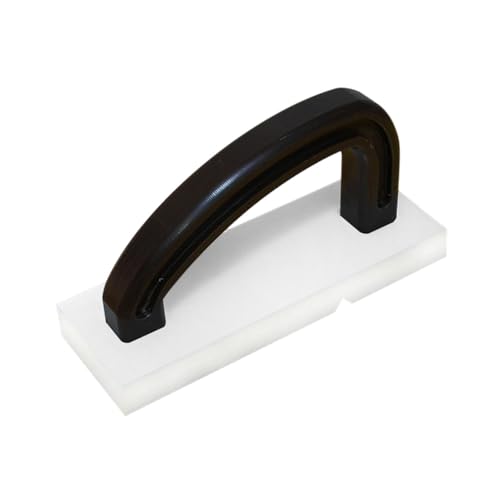
DimyFew Cutting Board Refinisher Chopping Board Planer with Handle Professional Effective Cleaning Resurfacing Tool for Restaurant, Black
Included for 'How to Clean a Cutting Board: Wood, Plastic and Bamboo' because the listing specifies Black, details this guide uses to compare options.
View on Amazon
Rhino Wax Cutting Board Spray Cleaner - Food-Safe for All Wood Surfaces | Clean and refresh cutting boards, furniture and other wood surfaces with a food-safe cleaner and light citrus scent.
Included for 'How to Clean a Cutting Board: Wood, Plastic and Bamboo' because the listing specifies Food-Safe for All Wood Surfaces and Clean and refresh cutting boards, details this guide uses to compare options.
View on AmazonKey takeaways
- Daily: hot soapy water, scrub, rinse, dry upright. Never soak wood or bamboo.
- After raw meat: sanitize with 1 tbsp unscented bleach per gallon of water (USDA) or 3% hydrogen peroxide.
- Plastic and most rubber boards are dishwasher-safe; wood and bamboo are not.
- Oil wood and bamboo with food-grade mineral oil about once a month, or whenever they look pale and dry.
- Replace any board with deep grooves, cracks or warping that will not sit flat.
Quick answer: Our top pick in 2026 is the Hardwood (maple, walnut, cherry) — our #1 rated choice. See the full ranked comparison, alternatives and buying advice below.
How to Clean a Cutting Board Every Day
This basic routine works for every board material. It takes about two minutes and prevents most stains, odors and bacterial buildup.
- Scrape off food right away. Use a bench scraper or the spine of your knife (not the edge) to push scraps into the bin. Dried-on food takes far longer to remove and stains more.
- Wash with hot water and dish soap. Hot water loosens fat; soap lifts it off the surface. Scrub with a brush rather than a sponge, because bristles reach into knife scars where food hides.
- Scrub both sides. Even if you only cut on one side, the underside sits on a wet counter. Cleaning both sides evenly also helps wooden boards dry evenly, which reduces warping.
- Rinse thoroughly. Leftover soap film can leave a taste on food and attract grime.
- Dry immediately and stand it upright. Towel off excess water, then lean the board on its edge or place it in a dish rack so air reaches both faces. A board left flat on a counter traps moisture underneath, which leads to warping on wood and mildew on any material.
How to Clean a Wooden Cutting Board
Wood is forgiving and gentle on knives, but it hates long contact with water. Follow the daily routine, plus these material-specific steps.
- Hand-wash only. The USDA notes solid wood boards can technically go in a dishwasher, but board makers advise against it: the heat and long water exposure cause splitting, warping and glue failure on edge-grain and end-grain boards.
- Never soak. Wood absorbs water through its end grain, swells unevenly and then cracks as it dries.
- Sanitize after raw proteins. Wipe or brush on the diluted bleach solution or undiluted 3% hydrogen peroxide, leave it for a few minutes, rinse, and dry upright.
- Deodorize when needed. Sprinkle coarse salt over the surface, scrub with half a lemon, let it sit for 5 minutes, then rinse. The salt acts as a gentle abrasive and the acid cuts odors from garlic, onion and fish.
- Oil once dry. When the board is completely dry, rub on a thin layer of food-grade mineral oil, let it soak in for a few hours or overnight, then wipe off the excess.
Research by food scientist Dean Cliver at the University of California, Davis found that bacteria applied to used wooden boards became difficult to recover from the surface, while heavily knife-scarred plastic boards were harder to clean by hand. That does not make wood self-cleaning, but it does mean a well-kept wooden board is a perfectly hygienic choice.
How to Clean a Plastic Cutting Board
Plastic boards are the easiest to sanitize because they tolerate heat and bleach. They do scar faster than wood, and those scars are where bacteria and stains collect.
- Use the dishwasher if the board is labeled dishwasher-safe. The hot water and detergent do a thorough job. Lay thin boards flat on the top rack or wedge them so they cannot bend in the heat.
- Scrub knife grooves. If you are hand-washing, a stiff brush matters more on plastic than on wood. Scrub with the grain of the cuts and across it.
- Sanitize with bleach solution. Use 1 tablespoon of unscented bleach per gallon of water, flood the surface, wait several minutes, rinse and air-dry.
- Lift stains with a paste. Mix baking soda with a little water, spread it on stained areas, scrub with a brush, and rinse. For stubborn color, soak the board in the bleach solution for a few minutes, then rinse well.
- Replace when grooves are deep. The USDA advises discarding boards that are excessively worn or have hard-to-clean grooves. A good rule: if a fingernail catches in many scars, it is time.
One more consideration: a 2023 study published in Environmental Science & Technology estimated that chopping on plastic boards can release microplastic particles into food. Many cooks now use plastic mainly for raw meat (where dishwasher sanitizing is convenient) and wood or rubber for produce.
How to Clean Bamboo and Rubber Boards
Bamboo
Bamboo is technically a grass, pressed and glued into boards. Clean it like wood: hand-wash, never soak, dry upright and oil regularly. Bamboo is harder than most hardwoods and less porous, so it resists knife scars and water absorption a little better, but the glue lines can fail with heat and long soaking. Skip the dishwasher.
Rubber and synthetic rubber
Synthetic rubber boards, popular in Japanese kitchens and some restaurants, are non-porous and gentle on knife edges. Most handle hot water and bleach, and some are dishwasher-safe; check the maker’s guidance because heat can warp thinner boards. Light surface staining can be sanded off on many models.
Cleaning Method by Board Material
| Material | Dishwasher | Bleach solution | 3% hydrogen peroxide | Needs oil | Main risk |
|---|---|---|---|---|---|
| Hardwood (maple, walnut, cherry) | No | Yes, brief contact | Yes | Monthly | Cracking, warping |
| Bamboo | No | Yes, brief contact | Yes | Monthly | Glue lines splitting |
| Plastic (polyethylene, polypropylene) | Yes, if labeled | Yes | Yes | No | Deep knife grooves |
| Synthetic rubber | Check maker | Yes | Yes | No | Warping from high heat |
| Composite (wood fiber, resin) | Usually yes | Yes | Yes | No | Edge dulling for knives |
| Glass or stone | Yes | Yes | Yes | No | Dulls knives quickly; not recommended |
How Often to Oil a Wooden or Bamboo Board
Oil keeps wood from drying out, cracking and absorbing juices. Use food-grade mineral oil or a mineral-oil-and-beeswax board cream. Avoid cooking oils like olive or vegetable oil; they can turn rancid and smell.
| Situation | How often |
|---|---|
| Brand-new or freshly sanded board | Once a day for 3-4 days, then weekly for a month |
| Daily use, normal climate | About once a month |
| Dry climate or winter heating | Every 2-3 weeks |
| Board looks pale, feels rough, or water no longer beads | Right away |
Apply a generous coat, let it soak in overnight with the board standing on edge, and wipe away whatever has not absorbed in the morning. A cream with beeswax on top of the oil adds a light water-resistant seal.
Best Cutting Board Material for Easy Cleaning
If you are shopping for a new board, the best cutting board material depends on what you cut and how you like to clean. Most kitchens are best served by two boards: one dishwasher-safe board for raw meat and one wood or rubber board for everything else. The USDA recommends using separate boards for raw meat, poultry and seafood and for ready-to-eat foods like bread and produce, which also prevents cross-contamination.
- Hardwood (maple, walnut): knife-friendly and durable; requires hand-washing and oil.
- Plastic: easiest to sanitize; scars faster and needs replacing more often.
- Rubber: very knife-friendly and non-porous; heavier and pricier.
- Bamboo: affordable and renewable; harder on knife edges than hardwood.
- Glass, marble, metal: easy to clean, but too hard for good knife edges.
Mistakes That Ruin Cutting Boards
- Leaving a wet board flat on the counter overnight.
- Running wood or bamboo through the dishwasher.
- Using undiluted bleach, which can dry out wood and is unnecessary.
- Oiling with olive or vegetable oil, which can go rancid.
- Drying a board near a stove burner or in direct sun, which causes warping.
- Cutting raw chicken and then salad on the same unwashed board.
Gear That Helps
- Howard Butcher Block Conditioner: food-grade mineral oil with beeswax and carnauba wax · 12 fl oz · conditions and lightly seals wood and bamboo.
- John Boos Board Cream: beeswax and mineral oil cream · 5 oz tube · a protective top coat after oiling.
- SPARTA Plastic Cutting Board Scrub Brush: stiff foodservice bristles · 6-inch · reaches into knife grooves on plastic and rubber boards.
Frequently Asked Questions
Can I use vinegar to clean a cutting board?
White vinegar helps remove odors and light residue, and many people wipe boards with it. It is not a registered sanitizer, so after raw meat use the USDA bleach solution or 3% hydrogen peroxide instead.
How do I get rid of garlic or onion smell on a wooden board?
Scrub the board with coarse salt and half a lemon, let it sit for about 5 minutes, then rinse and dry upright. A paste of baking soda and water also absorbs strong odors.
Is it safe to cut raw chicken on a wooden cutting board?
Yes, if you wash it promptly with hot soapy water, sanitize it and let it dry fully. Many cooks still prefer a dishwasher-safe plastic board for raw poultry because sanitizing is easier.
How do I remove mold from a cutting board?
For surface spots on wood, scrub with the bleach solution or hydrogen peroxide, rinse, dry and sand lightly if staining remains. If mold has penetrated deep cracks or keeps coming back, replace the board.
Can I put a bamboo cutting board in the dishwasher?
No. Dishwasher heat and long water exposure weaken the glue that holds bamboo strips together, leading to splitting and warping. Hand-wash and dry it upright.
How often should I replace a cutting board?
Replace plastic boards when grooves are deep enough to catch a fingernail or stains no longer come out. Wooden boards can last many years if sanded and oiled, but should be replaced if they crack through or warp badly.
What is the best way to sanitize a cutting board without bleach?
Undiluted 3% hydrogen peroxide is a common alternative: pour it over the surface, let it bubble for a few minutes, then rinse and dry. A dishwasher with a sanitize cycle works for plastic boards labeled dishwasher-safe.
Last updated: October 2026. Cleaning and sanitizing guidance follows USDA Food Safety and Inspection Service recommendations.
Ready to decide? Our #1 pick for 2026 is the Hardwood (maple, walnut, cherry).
Live price & availability on Amazon.







Write Your Review
No reviews yet. Be the first to share your experience!