
Custom cake decorating has evolved past simple buttercream swirls and plastic toppers. Today’s clients expect personalized photo cakes, intricate corporate logos, and vibrant watercolor designs that require a dedicated edible printer system. However, walking into the world of edible printing can be intimidating, especially with specialized cartridges, FDA-compliant inks, and specific paper types to navigate.
- Never Convert an Existing Office Printer
- Cartridge Systems Versus Bulk Refillable Tanks
- Evaluating Paper Feed Mechanisms and Media Paths
- Understanding Edible Ink Chemistry and Clogging
- Color Profiles and Visual Matching
- Sizing Requirements and Maximum Print Dimensions
- Budgeting for Total Cost of Ownership
- Related Guides
- FAQ
- Related Guides
Choosing the right system means looking past general office printer metrics and focusing on food-grade compatibility, ease of maintenance, and media handling. Whether you run a bustling retail bakery or operate a custom cottage bakery from home, investing in the right setup prevents ruined sheets, clogged printheads, and wasted hours. Here is what actually matters when selecting an edible ink printer system for your baking business.
As an Amazon Associate we earn from qualifying purchases at no extra cost to you.
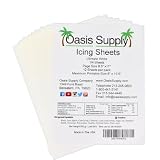
Never Convert an Existing Office Printer
One of the most dangerous mistakes decorators make is trying to convert a printer that has already been used with standard petroleum-based office inks. Even if you clean the printheads thoroughly, residual chemical inks remain trapped in the internal dampeners, tubes, and sponges, making the system unsafe for food consumption. Always purchase a brand new, out-of-the-box printer and fill it exclusively with edible ink from day one. Keeping a completely isolated workspace for your food printing equipment guarantees safety compliance and protects your customers.
Cartridge Systems Versus Bulk Refillable Tanks
Printer architecture dictates your ongoing operational costs and maintenance frequency. Traditional cartridge-based systems use pre-filled, chipped cartridges that snap into place easily, making them beginner-friendly for low-volume decorators. On the other hand, bulk ink delivery systems—often called refillable tank models—require you to pour bottled edible ink directly into side reservoirs. While tank models have a higher upfront hardware cost, they drastically lower the per-page printing cost and eliminate the frustration of chipping errors, making them the superior choice for high-volume bakeries.
Evaluating Paper Feed Mechanisms and Media Paths
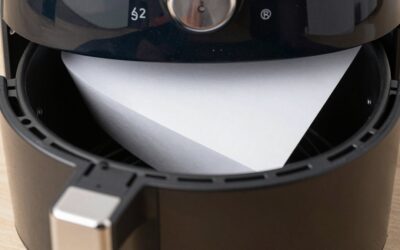
Unlike standard copy paper, edible media like frosting sheets and wafer paper are thicker, heavier, and far more delicate. A top-loading or rear-feed paper tray is almost always superior to a bottom-loading cassette drawer because it pulls paper through a straighter, more vertical path. Bottom-loading trays force thick frosting sheets to bend at a sharp angle inside the machine, which frequently leads to jams, cracked sheets, and smeared ink. Prioritize printers with a rear-feed slot or a rear tray to handle specialized heavy-duty baking sheets smoothly.
Understanding Edible Ink Chemistry and Clogging
Edible inks are water-based solutions composed of food-grade colorings and sugars, which means they behave differently than standard printer inks. Because sugar-based inks dry faster and are prone to crystallization, printhead clogging is the single most common operational hurdle you will face. Look for printer brands that feature user-removable printheads or robust automatic cleaning cycles. Establishing a daily or weekly maintenance routine where you run a test print keeps the nozzles clear and extends the working lifespan of your investment.
Color Profiles and Visual Matching
Edible colors print differently on frosting sheets than standard RGB colors appear on a computer monitor or glossy photo paper. Frosting sheets absorb moisture and liquid differently, often resulting in muted tones or unexpected color shifts unless managed properly. When evaluating a printer system, check whether the manufacturer provides or supports specific color management profiles. The ability to calibrate your printer settings ensures that a client’s specific brand colors or skin tones render accurately on the final cake.
Sizing Requirements and Maximum Print Dimensions
Consider the scale of your typical orders when selecting your printer’s maximum dimensional capacity. Standard desktop edible printers handle letter-sized or legal-sized sheets, which easily accommodate standard round cakes, cupcakes, and medium sheet cakes. If your bakery specializes in multi-tiered wedding cakes, oversized corporate sheet cakes, or edible wraps, you may need a wide-format printer. Keep in mind that larger printers require dedicated counter space and consume more ink during maintenance cleanings.
Budgeting for Total Cost of Ownership
When purchasing an edible printing system in 2026, looking only at the initial sticker price of the hardware will lead to budget surprises. Your total cost of ownership includes the printer itself, initial sets of FDA-compliant edible cartridges or bottles, specialized cleaning solution flush kits, and recurring purchases of frosting sheets and wafer paper. Buying cheap, unverified third-party ink to save a few dollars often results in ruined printheads and ruined cakes, so always factor high-quality consumables into your monthly operating budget.
Related Guides
To compare top-tier hardware options and see how specific models perform under rigorous bakery conditions, consult our comprehensive breakdown of the Best Edible Ink Printer Systems for Custom Cake Decorating in 2026: Compared and Ranked before making your final purchase.
FAQ
Can I use a regular office printer for edible printing if I clean it thoroughly?
No, you should never use a printer that has previously processed standard office ink. Toxic chemical residues remain trapped inside internal components, making the device unsafe for food use.
How often do edible ink printers clog if not used daily?
Edible inks contain sugars and food dyes that dry and crystallize quickly, meaning printers can clog if left sitting for more than a few days. Running a simple test print twice a week is usually enough to keep the nozzles clear and functional.
What is the difference between frosting sheets and wafer paper?
Frosting sheets are thin layers of fondant backed on plastic film that melt smoothly into buttercream or fondant, offering a vibrant photo finish. Wafer paper is made from potato starch and water, making it stiffer, translucent, and ideal for standing toppers or floral decorations.
Do edible inks expire or require special storage?
Yes, edible inks have a limited shelf life, typically ranging from twelve to twenty-four months, and should be stored in a cool, dark place away from direct sunlight. Using expired ink can alter color accuracy and increase the frequency of clogged printheads.

Write Your Review
No reviews yet. Be the first to share your experience!