
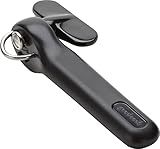
- Top Pick: Zulay Kitchen Manual Can Opener Heavy Duty Patented Stainless Steel, Black
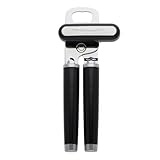
- Best Value: KitchenAid Classic Multifunction Can Opener and Bottle Opener Easy to Use, Razor Sharp Stainless Steel Cutting Wheel, Soft Ergonomic Handles, Black
- Premium Choice: GORILLA GRIP Upgraded Model Stainless Steel Manual Can Opener, Black
A manual can opener looks like a simple purchase, but small differences in the cutting wheel, gears, handles, and frame can determine whether it works smoothly for years or becomes a drawer-cluttering frustration. The most common mistake is choosing by price alone. A low-cost opener may be perfectly adequate if it has a stainless steel wheel and sturdy gears, while a more expensive model may offer little beyond a familiar brand name or softer handles.
Shoppers also overlook fit. A bulky opener can be awkward for smaller hands, and a lightweight model may flex when opening thick cans. Some buyers assume “stainless steel” means every working part is stainless, when the label may apply only to the cutting wheel. Others focus on a sharp wheel without checking whether the gears engage cleanly or whether the handles are comfortable after several turns.
As an Amazon Associate we earn from qualifying purchases at no extra cost to you. Product prices and availability are accurate as of the date shown and are subject to change.


This guide explains how to choose a durable manual can opener by looking at the parts that experience real wear. The goal is not to find the heaviest tool or the most expensive one, but to match construction and ergonomics to how often you open cans and who will use the opener.
Decide These 3 Things First
- How often will you use it? Occasional users can usually choose a $8 to $15 opener. Daily cooks should prioritize corrosion-resistant materials, reinforced gears, and a comfortable handle, often in the $15 to $25 range.
- Who needs to operate it? For small hands, arthritis, or limited grip strength, look for handles at least 4.5 inches long, broad contact surfaces, and a turning knob that is at least 1 inch across. A lighter tool is not always easier if it requires excessive force.
- What kind of lid edge do you want? Traditional openers cut from the side and leave a sharp lid edge. Some models use a top-cut design that may produce a smoother rim, but they can be slower or harder to position. Decide whether speed, safety, or familiarity matters most.
Size and Weight
A practical manual can opener is usually about 6 to 8 inches long and weighs roughly 5 to 10 ounces. That range gives the frame enough substance to resist twisting without making the tool tiring to hold. Very small openers under 5 inches can be convenient for a drawer or travel kit, but their short handles generally provide less leverage.
Check the handle span as well as the overall length. When the opener is closed, handles separated by more than about 2 inches can be difficult for smaller hands to squeeze. Handles measuring approximately 4.5 to 6 inches tend to offer a useful balance of leverage and control. If storage space is limited, confirm that the turning knob and handles do not add an awkward width when folded or closed.
Weight alone is not a durability test. A heavy opener can contain thick metal, but it can also have unnecessary bulk. Look for a rigid frame, minimal side-to-side movement, and a cutting wheel that stays aligned with the drive gear.
Material
The cutting wheel is the most important material choice. Stainless steel is preferable because it resists rust and tolerates repeated contact with food moisture. A wheel described only as “metal” may still work well, but the product description should identify the metal or provide clear care instructions.
Stainless steel does not necessarily mean the entire opener is stainless steel. Handles may be made from plastic, zinc alloy, or plated steel, and internal gears may use different materials. For a frequently used opener, look for a stainless or corrosion-resistant cutting wheel, a metal drive gear, and a frame that does not visibly flex.
Soft-touch plastic handles can improve comfort, but avoid thin rubbery coverings that are already loose in the packaging or have seams likely to split. A smooth, easy-to-clean surface is preferable to deep grooves that can trap food residue. Hand-wash and dry the tool unless the manufacturer specifically states that it is dishwasher safe.
Construction and Mechanism
Durability depends heavily on how the parts fit together. The cutting wheel should sit parallel to the drive gear and rotate without wobbling. When you squeeze the handles, the wheel should clamp firmly onto a can rather than slide over the rim. The turning knob should have consistent resistance, with no grinding, skipping, or sudden slips.
Look for a riveted or securely fastened joint instead of a hinge that visibly loosens when the handles are moved. A frame made from thicker metal is generally more resistant to bending than a thin stamped frame, although manufacturers do not always publish metal thickness. If a listing provides a weight, about 6 to 9 ounces is a reasonable target for a sturdy everyday model.
Gear teeth should appear evenly formed and fully engaged with the cutting wheel. A magnetized lid lifter is a useful convenience, but it should not be treated as evidence of better construction. It adds value only if the magnet is strong enough to lift a typical lid and is positioned away from food-contact surfaces.
Comfort and Performance
A durable opener should start cutting within one or two turns and continue around the rim without requiring repeated repositioning. The handles should remain stable in the hand, and the knob should turn smoothly rather than forcing your fingers to pinch a tiny surface.
For comfortable everyday use, choose handles about 1 to 1.5 inches wide at their broadest point, with rounded edges and a non-slip finish. A knob around 1 to 1.25 inches in diameter is easier to turn than a narrow post. If you have reduced hand strength, prioritize leverage and smooth gearing over the lowest weight.
Manual openers do not use wattage; they rely on hand force and mechanical leverage. Be skeptical of claims such as “effortless” or “razor sharp” unless the product also explains the handle design, wheel material, and cutting orientation. A sharp wheel is useful, but alignment and gear engagement are what keep the opener moving consistently.
Price Tiers
In 2026, a reasonable budget for a manual can opener is approximately $8 to $12. Models in this tier can be reliable for occasional use if they have a stainless steel wheel, a rigid frame, and comfortable enough handles. The GORILLA GRIP example at $8.49 falls into this value range.
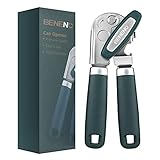
Mid-range openers generally cost $13 to $18. They are more likely to include soft ergonomic handles, a bottle opener, a lid magnet, or a heavier frame. The Zulay Kitchen example at $13.99, KitchenAid example at $14.99, and Beneno example at $17.99 illustrate this common price band.
Premium manual openers typically cost $19 to $35, though a higher price does not guarantee a longer service life. At this level, pay for a demonstrably better mechanism, stronger materials, a more comfortable grip, or a meaningful warranty—not merely extra accessories. For most households, the mid-range tier offers the best balance.
Warranty and Replacement Support
A warranty is useful when it specifies what is covered and how long coverage lasts. Look for at least a one-year limited warranty, with clear instructions for contacting the seller or manufacturer. Some brands offer longer coverage, but read exclusions for rust, misuse, dishwasher damage, or normal wear on the cutting wheel.
Also check whether replacement parts are available. A removable cutting wheel or separately sold opener may be more practical than replacing the entire tool after a few years. Keep the receipt and product packaging until you know the gears engage properly. A warranty cannot compensate for an opener that is difficult to return or comes from a seller with unclear support.
Delivery and Assembly
Most manual can openers arrive fully assembled, so “easy assembly” should not be a major selling point. Before buying, confirm that the opener is not shipped as a loose collection of parts requiring you to install the wheel or handle. Assembly adds opportunities for misalignment and loose hardware.
For online purchases, check the delivered dimensions and package weight if storage space is tight. A product listed as 7 inches long may arrive in packaging several inches larger, while a multipurpose model may be too bulky for a narrow utensil drawer. Inspect the wheel, rivets, handles, and gear immediately after delivery. Return it if the frame is bent, the cutting wheel wobbles, or the knob grinds when turned.
Spec Checklist
| Spec | Budget | Mid | Premium |
|---|---|---|---|
| Typical price | $8–$12 | $13–$18 | $19–$35 |
| Overall length | 5.5–7 inches | 6–8 inches | 6.5–8.5 inches |
| Approximate weight | 4–7 ounces | 6–10 ounces | 8–14 ounces |
| Cutting wheel | Stainless steel preferred | Stainless steel | Hardened or premium stainless steel |
| Handle length | 4–5.5 inches | 4.5–6 inches | 5–6.5 inches |
| Useful features | Basic side cut | Soft grip or bottle opener | Enhanced grip, magnet, or smoother mechanism |
| Warranty target | 30 days–1 year | At least 1 year | 1–5 years |
Red Flags
- Vague material claims: “Premium metal” without identifying the cutting wheel material gives you little basis for judging rust resistance.
- Visible flex: If the handles or frame bend noticeably under light pressure, the mechanism may lose alignment quickly.
- Grinding or skipping: A new opener should not grind, jump over the rim, or require repeated clamping.
- Unclear cleaning instructions: If the listing says nothing about washing and drying, corrosion risk is harder to evaluate.
- Overemphasis on accessories: A bottle opener, magnet, and decorative finish cannot make up for weak gears or an unstable wheel.
- Unusually low price with no specifications: Savings are less attractive when the seller does not state dimensions, materials, warranty, or return terms.
- Sharp exposed edges: The opener itself should have no unfinished metal edges, loose plating, or burrs around the handles.
FAQ
What is the most durable material for a manual can opener?
A stainless steel cutting wheel paired with a sturdy metal frame and drive gear is a strong choice for everyday use. The handles can be plastic or rubberized if they are securely attached and easy to clean. Stainless steel parts still need to be dried after washing to reduce staining and corrosion.
Is a heavy manual can opener better?
Not automatically. A moderate weight of about 6 to 10 ounces often indicates a substantial frame without unnecessary bulk. Prioritize rigid construction, smooth gears, and a stable wheel over weight alone.
How long should a good manual can opener last?
With occasional use, a well-made opener can last several years. Frequent use, dishwasher exposure, moisture, and cutting through unusually thick cans can shorten its life. Replace it when the wheel slips, the frame bends, the gear teeth wear down, or rust reaches food-contact areas.
Should I choose a side-cut or top-cut opener?
A side-cut model is usually familiar, fast, and widely available, but it can leave a sharp lid edge. A top-cut model may create a safer-feeling rim, though it can take more practice and may cost more. Choose based on who will use it and whether lid-edge safety is a priority.
Ready to decide? Our #1 pick for 2026 is the Typical price.
Live price & availability on Amazon.





Write Your Review
No reviews yet. Be the first to share your experience!