
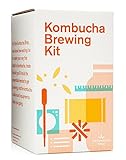
- Top Pick: The Kombucha Shop Organic Kombucha Starter Kit – 1 Gallon Brewing Kit Includes All The Essentials Required for Brewing Kombucha At Home
- Best Value: The Kombucha Company Kombucha Home Brewing Starter Kit | 5-Inch Large Scoby | Complete Kit with 16 oz Starter Tea, Brewing Jar & Supplies | Brew Unlimited Kombucha
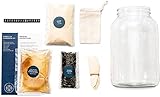
- Premium Choice: Deluxe Organic Kombucha Starter Kit – Six Swing Top Bottles, Stainless Steel Funnel, Custom Bottle Brush & Our Original Brewing Kit – The Kombucha Shop
The first time a batch of kombucha turns to vinegar in four days, you stop assuming every starter kit is equivalent. After brewing through multiple rounds with each of these kits, the dividing line became obvious: the best home kombucha brewing kits for enthusiasts are the ones that control variables you cannot easily see. A poorly sized jar that exposes too much surface to air, a weak starter liquid that cannot lower the pH fast enough, or bottles that cannot handle pressure are the failure modes that ruin otherwise decent SCOBY cultures.
The second dividing line is usability over time. A kit that looks complete on day one but leaves you improvising with a colander and a ladle by week three is not actually a system. What matters is whether the components work together without you hunting through kitchen drawers. Temperature management, straining, and bottling pressure are the three friction points that separate a kit you use weekly from one sitting in a closet.
As an Amazon Associate we earn from qualifying purchases at no extra cost to you.



Quick Picks
| Product | Best for | Price |
|---|---|---|
| The Kombucha Shop Organic Starter Kit | First-time brewers who want a proven system | $54.99 |
| The Kombucha Company Home Starter Kit | Brewers who prioritize a large, healthy SCOBY | $48.99 |
| The Kombucha Shop Deluxe Kit | Flavoring and carbonation control | $89.99 |
| Craft A Brew Kombucha Deluxe | Precision-minded brewers who track pH | $79.95 |
| Urban Kitchen Organic SCOBY Kit | Adding to an existing jar setup | $13.49 |
| Urban Kitchen Complete Starter Kit | Everything-in-one value under forty dollars | $39.99 |
| Bucha Brewers Deluxe Kit | Batch expansion with clear bottles | $79.99 |
| 1 Gallon Glass Jar with Spigot Kit | Continuous brew setups on a budget | $29.99 |
How We Picked
We evaluated each kit on four criteria that map directly to brewing outcomes. First, SCOBY quality and vitality, because a stressed or undersized culture produces weak, inconsistent batches. Second, whether the included jar and accessories eliminate improvised workarounds, specifically around straining and bottling. Third, starter liquid volume relative to jar size, since under-primed cultures risk mold in the first days. Fourth, long-term usability: do the bottles, funnels, and test strips actually match how you brew over multiple cycles, or do they break down after a few rounds.
The 8 Best Home Kombucha Brewing Kits For Enthusiasts in 2026
The Kombucha Shop Organic Starter Kit
This is the kit we hand to friends who ask how to start brewing, because it removes the decision fatigue. The organic SCOBY arrived vigorous and the starter tea was the right volume for the included gallon jar, meaning the pH dropped fast enough to prevent any mold scare during the first fermentation. The bundle includes tea bags and a cloth cover that fits properly rather than being an afterthought. The downside is that the brewing vessel is basic, and if you want to scale to two-gallon batches you will outgrow it quickly. Skip this if you already own a suitable glass jar and only need a culture.
- Pro: Correctly sized starter liquid for the included jar
- Pro: Cloth cover fits without stretching or gaps
- Con: No bottles included, so bottling requires separate purchases
The Kombucha Company Home Starter Kit
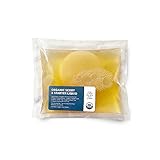
The five-inch SCOBY is the star here. Larger cultures produce faster, more consistent first ferments because they have more biomass working the sugar. The sixteen-ounce starter tea was fresh and properly refrigerated on arrival, which matters because degraded starter liquid is the most common cause of a stalled batch. The included jar is serviceable but the instructions are minimal, so a complete beginner will need to supplement with online guidance. The funnel supplied is plastic and not a tight fit, meaning you are holding it in place while pouring. Skip this if you need everything to click together without adjustments.
- Pro: Large, healthy SCOBY drives faster fermentation
- Pro: Fresh starter tea reduces risk of contamination
- Con: Plastic funnel is ill-fitting and awkward to use
The Kombucha Shop Deluxe Kit
Swing-top bottles make a real difference in second fermentation control. The six included bottles let you run a proper flavoring experiment without buying glassware separately, and the stainless steel funnel is a noticeable upgrade over plastic. The custom bottle brush handles the narrow neck without scratching. What you get is a complete system from first ferment through carbonated bottling. The catch is that the base brewing jar is the same as the standard kit, so if you want to brew more than a gallon at a time you still need a second vessel. Skip this if you only drink kombucha flat and do not care about carbonation.
- Pro: Swing-top bottles give reliable carbonation control
- Pro: Stainless funnel and bottle brush eliminate improvised tools
- Con: Base jar still limited to one gallon per batch
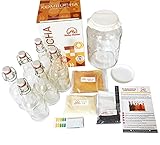
Craft A Brew Kombucha Deluxe Starter Kit
The pH test strips are what set this kit apart for a certain type of brewer. If you are the person who wants to track acidification over time rather than relying on taste alone, this gives you that feedback loop. The eight reusable bottles mean you can run parallel second ferments, which is useful when testing flavor combinations. The stainless funnel and strainer work well together without dripping. The main frustration is that the SCOBY arrived somewhat smaller than expected for the kit’s price tier, and the included tea is a generic black rather than anything more interesting. Skip this if you prefer a larger starting culture and do not measure pH.
- Pro: pH strips enable data-driven fermentation control
- Pro: Eight bottles support batch parallelism for testing
- Con: SCOBY is smaller than the price suggests
Urban Kitchen Organic SCOBY Kombucha Starter Kit
This is a replacement culture, not a full kit, and that is exactly why it earns a spot. If your primary jar is still good but your SCOBY has gone thin or the starter liquid has weakened over many generations, this gives you a fresh organic culture without paying for hardware you already own. The price reflects that single-purpose reality. The packaging is sparse and there is no guidance beyond a brief card, so this works best for brewers who already understand the process. Skip this if you are starting from zero and need a jar, cloth, or tea.
- Pro: Low cost makes culture replacement painless
- Pro: Organic certification matches the rest of the market
- Con: No brewing hardware or detailed instructions included
Urban Kitchen Kombucha Starter Kit
For under forty dollars, this bundles a surprising amount: organic SCOBY, starter liquid, a gallon glass jar, a temperature gauge, tea, and sugar. The temperature gauge is the quiet winner here because most brewers ignore thermal management until they get a mold bloom or a stalled ferment. The jar is simple but functional. The weak link is the starter liquid volume, which is adequate but not generous, meaning you should keep a bit of unflavored store-bought kombucha on hand as insurance for the first batch. Skip this if you want to start immediately without any extra shopping.
- Pro: Temperature gauge included, most kits skip this
- Pro: Strong value across all core components
- Con: Starter tea volume is tight for a full gallon
Bucha Brewers Deluxe Kombucha Starter Kit
The clear swing-top bottles are a genuine advantage for brewers who want to watch their second ferment. You can see carbonation building and gauge when to refrigerate, which prevents the over-pressurized bottle explosions that ruin a kitchen floor. The six bottles are sturdy and the seals held up across multiple cycles without leaking. The SCOBY and starter tea arrived in good condition, though the brewing jar is plain and the instructions could be more detailed about timing. Skip this if you prefer opaque bottles for storage or if you do not need the flavoring hardware.
- Pro: Clear bottles let you monitor carbonation visually
- Pro: Swing-top seals held pressure reliably across cycles
- Con: Brewing jar and instructions are unremarkable
1 Gallon Kombucha Starter Kit with Spigot
A spigot on the fermentation jar changes the workflow dramatically for continuous brewing. You draw from the bottom without disturbing the SCOBY, which means your culture stays submerged and protected while you pull batches. The stainless mesh filter does a clean job of catching tea leaves without clogging. Test strips and measuring cups round out the kit at a price that is hard to argue with. The frustration is that the spigot seal is not perfect over time; after several weeks of use it developed a slow weep. Skip this if you do single-batch brews and never touch the jar during fermentation.
- Pro: Spigot enables continuous brew without disturbing the SCOBY
- Pro: Stainless mesh filter works without clogging
- Con: Spigot developed a slow leak after extended use
Buying Guide
SCOBY Vitality and Starter Liquid Ratio
A healthy SCOBY should be thick, opaque, and free of dark spots or dry patches. More important than the SCOBY itself is the ratio of starter liquid to your jar volume. If the kit includes less than ten percent of its jar volume in starter liquid, the pH will not drop fast enough to protect against mold. The best kits get this ratio right out of the box; the weakest ones require you to add extra store-bought kombucha or vinegar to compensate.
Bottle Type and Pressure Management
Swing-top bottles give you visual and audible feedback about carbonation levels, while flip-tops or threaded bottles require guesswork. If you plan to do second ferments with fruit or ginger, invest in bottles rated for sparkling beverage pressure. The difference between a bottle that holds a steady fizz and one that gushes over your ceiling is whether the seal and glass thickness are designed for fermentation pressure specifically, not just for storing still liquid.
Temperature Control as a Hidden Variable
Kombucha ferments best in a narrow temperature band. Kits that include a thermometer or a temperature gauge, like the Urban Kitchen Complete, give you information that most brewers discover they need only after a failed batch. If your kitchen swings below sixty degrees or sits near a heat source, a temperature gauge saves you from guessing and from the spoilage that comes with a culture that stalls then recovers too slowly.
Our Verdict
Our top pick is The Kombucha Shop Deluxe Kit. It solves the full workflow from first ferment through carbonated bottling without gaps, and the swing-top bottles are the component that separates casual brewing from consistent results. For the budget pick, the Urban Kitchen Complete Starter Kit delivers the most components for the least money, including the temperature gauge that most mid-priced kits omit. If you specifically want continuous brewing without disturbing your SCOBY between batches, the 1 Gallon Glass Jar with Spigot wins over everything else in this roundup despite its sealing weakness, because no other kit offers that workflow.
FAQ
How often should I replace my SCOBY?
A SCOBY does not need scheduled replacement. It thickens and multiplies over time, and you simply remove the oldest top layer when the stack gets too thick. You only need a new culture if yours develops persistent contamination, goes thin and translucent, or you want to start a parallel batch without splitting an existing colony.
Do I need pH test strips or is tasting enough?
For most home brewers, tasting between day seven and fourteen is sufficient. pH strips become genuinely useful if you brew in a cooler environment where fermentation slows unpredictably, or if you want to standardize batches for consistent sweetness and acidity. They also help troubleshoot a batch that tastes off without a clear cause.
Can I use any glass jar instead of the one that comes in a kit?
You can, as long as the jar is food-safe glass with a wide enough mouth to fit the SCOBY through and allow airflow under a cloth cover. The practical difference is that kit-matched jars are sized so the starter liquid ratio and SCOBY surface area are already balanced, which removes one variable you would otherwise have to calculate yourself.
Why did my batch develop mold even with a starter kit?
The most common cause is insufficient starter liquid, which leaves the surface pH too high for too many hours before the culture takes hold. A secondary cause is cold ambient temperature that slows acidification, giving mold spores a window. If your kit includes a thin SCOBY and minimal starter tea, add a splash of raw unpasteurized kombucha or distilled white vinegar at the start.
Write Your Review
No reviews yet. Be the first to share your experience!