
If you have ever pulled a pale, soft-bottomed pizza from a screaming hot oven, you know the frustration that drives people to baking steels. A good steel acts like a thermal battery, storing intense heat and driving it rapidly into dough so the crust puffs, blisters, and crisps in minutes rather than steaming. After comparing pies, breads, and flatbreads back to back, we found the difference between a mediocre bake and a pizzeria-level one almost always comes down to how well the steel holds heat, how evenly it transfers it, and whether it fits your oven and your lifting comfort.
The best baking steels all look like simple slabs of metal, but the details separate keepers from disappointments. Thickness and mass dictate heat retention and recovery between bakes, surface finish affects seasoning and release, and footprint determines whether you can launch a full-size pizza or are stuck with smaller rounds. We focused on real-world handling, preheat behavior, crust results, and durability, not marketing claims, to find which steels are actually worth the counter space.
As an Amazon Associate we earn from qualifying purchases at no extra cost to you.

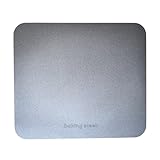
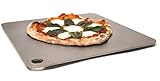
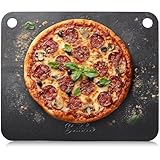

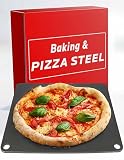


Quick Picks
| Product | Best for | Price |
|---|---|---|
| ThermiChef 16″ x 16″ (1/4″) | Best Overall Balance | $75.99 |
| The Original Baking Steel | Premium Pre-Seasoned Pick | $139 |
| ThermiChef 16″ x 16″ (3/8″) | Maximum Heat Retention | $103.99 |
| Boachee Pizza Steel XL | Large Format on a Budget | $49.99 |
| Baking Steel 13×13 | Best Compact Value | $41.99 |
| OLEEK Pizza Steel | Lowest Price Entry Point | $37.99 |
| Chef Pomodoro 16 Inch | Everyday Seasoned Performer | $62.99 |
| Brod & Taylor Bread Steel Max | Best for Bread and Lighter Handling | $89 |
How We Picked
We prioritized thermal performance and recovery for back-to-back bakes, practical sizing for standard home ovens and grills, surface quality and seasoning behavior, and handling tradeoffs between weight and stability. A top-tier baking steel should deliver a crisp, well-browned undercarriage without scorching, maintain heat for multiple pizzas, resist warping at high heat, and feel manageable to move and store.
The 8 Best Baking Steels in 2026
1. ThermiChef 16″ x 16″ (1/4″)
This ThermiChef hits a sweet spot that will suit most home bakers. At 16″ x 16″ and 1/4″ thick, it offers a generous square that accommodates large pizzas while still fitting the majority of home ovens without crowding airflow. At 17.6 lbs it is heavy enough to store serious heat and rebound reasonably quickly between bakes, yet light enough that most people can slide it in and out without help. In testing it produced evenly browned, crisp bottoms with good oven spring and worked equally well for bread loaves.
- Pro: Large usable surface with versatile sizing for pizza and bread
- Pro: Well-balanced weight to heat retention ratio for frequent use
- Con: Square corners can make maneuvering tight ovens a bit awkward
Skip it if you need the absolute maximum thermal mass for back-to-back party batches or you have a very compact oven where a smaller footprint is essential.
2. The Original Baking Steel
The Original Baking Steel earns its reputation with consistency and finish. This pre-seasoned, USA-made steel at 14″x16″x1/4″ is built to be ultra-conductive and ready to use with less initial prep than bare steel. It heats with impressive evenness and delivers that signature leopard-spotted crust without hot spots, and it transitions cleanly from oven to grill. The build feels substantial and durable for long term use, and the seasoning holds up well when properly maintained.
- Pro: Pre-seasoned surface reduces sticking and shortens break-in time
- Pro: Even, highly conductive heat transfer for reliable browning
- Con: Highest price in the roundup for similar thickness
Skip it if budget is your primary driver or you do not mind seasoning a bare steel yourself to save considerably.
3. ThermiChef 16″ x 16″ (3/8″)
For bakers who prioritize thermal mass above all else, this thicker ThermiChef is the powerhouse. At 3/8″ thick and 27.5 lbs, it stores substantially more heat than standard quarter-inch plates and holds temperature noticeably longer during busy bakes. That extra mass shows in deeper, more uniform browning and better recovery when launching several pizzas in succession. The 16″ x 16″ footprint remains ideal for full-size pies and large breads, making it a true workhorse for serious enthusiasts.
- Pro: Superior heat retention and recovery for multiple bakes
- Pro: Full-size square maximizes baking area
- Con: Much heavier and more cumbersome to lift and store
Skip it if you have limited strength, storage, or an oven rack that you prefer not to load with heavy weight.
4. Boachee Pizza Steel XL
Boachee offers a smart compromise for shoppers who want large-format performance without a premium price. Marketed as a heavy-duty baking steel for oven and grill, this XL at 16″x13.4″ gives you generous length for bigger pizzas while its slightly narrower depth helps it fit a wider range of ovens. It provides faster heat transfer than stone alternatives and reliably crisps the undercarriage. It is a practical alternative for weeknight pizza that does not require a big investment.
- Pro: Large baking surface at a very accessible price
- Pro: Versatile for both oven and grill use
- Con: Bare steel will need thorough seasoning to achieve best release
Skip it if you want a fully pre-seasoned surface out of the box or prefer a perfect square for symmetrical bread baking.
5. Baking Steel 13×13
This 13×13 inch baking steel is the compact problem solver. At .25″ thick it still delivers the fast heating and strong conductivity that defines the category, but its smaller footprint makes it far easier to handle, store, and position for optimal airflow in tighter ovens. It is ideal for personal-size artisan pizzas, naan, and smaller boules where a full 16-inch slab would be overkill. Home cooks who value convenience will appreciate the lighter lift and quicker maneuvering.
- Pro: Compact size fits small ovens and is easy to store
- Pro: Fast heating with solid performance for its footprint
- Con: Limited surface area restricts large pizzas and batch baking
Skip it if you regularly bake large family-size pizzas or multiple loaves at once.
6. OLEEK Pizza Steel
OLEEK positions itself as the entry point to steel baking with the lowest price in this group. Sized at 16×13.4 inches, it provides a surprisingly generous surface for its cost and functions as a direct alternative to a pizza stone with better heat transfer. In practice it crisps crusts more effectively than ceramic and is well suited for beginners who want to test the steel method without a major commitment. It is a straightforward, no-frills slab that gets the core job done.
- Pro: Most affordable way to try a true baking steel
- Pro: Large enough for substantial pizzas despite the low price
- Con: Fit and finish and long-term durability feel less refined than premium options
Skip it if you want pre-seasoning, premium build quality, or proven long-term durability.
7. Chef Pomodoro 16 Inch Pizza Steel for Oven
Chef Pomodoro brings a seasoned, ready-to-use experience to the popular 16-inch size. The seasoned surface helps with dough release and initial maintenance compared to bare steel, and the full-width platform handles large pizzas with room to spare. It strikes a middle ground on weight and performance, offering stronger browning than thinner or smaller plates without the extreme heft of the thickest slabs. For everyday pizza makers who want convenience and capacity, it is a well-rounded choice.
- Pro: Seasoned surface improves release and reduces initial upkeep
- Pro: Full 16-inch width for large pies
- Con: Seasoning will still require ongoing care to maintain
Skip it if you prefer a lighter, more compact steel or need maximum thermal mass for continuous entertaining.
8. Brod & Taylor Bread Steel Max
The Brod & Taylor Bread Steel Max takes a different approach, optimized for bread as much as pizza. At 14″ x 14″ x 0.15″ it is notably thinner and lighter than traditional quarter-inch steels, which makes it far easier to handle and to move between oven and stovetop. While it stores less heat than thicker plates, it still outperforms stone for conductivity and delivers excellent oven spring for loaves, baguettes, and flatbreads. Bakers who value ease of use and versatility will find it compelling.
- Pro: Much lighter and easier to handle and store than thicker steels
- Pro: Great for bread baking with even, responsive heat
- Con: Thinner profile retains less heat for back-to-back pizzas
Skip it if your focus is high-volume pizza parties where maximum heat retention between launches is critical.
Buying Guide
Thickness and Weight Tradeoffs
Thickness is the single biggest performance lever. A standard quarter-inch steel offers strong heat transfer and good retention for most households without being unmanageable. Thicker slabs hold heat longer and recover faster between bakes, which matters if you launch several pizzas in a row, but they add considerable weight that affects racks, handling, and storage. Thinner steels heat a bit quicker and are easier to live with daily, yet they cool more between bakes. Choose based on batch size and how comfortable you are lifting and storing a heavy slab.
Size and Oven Compatibility
Measure your oven’s interior and rack depth before buying. A full 16-inch square maximizes usable area for large pizzas and rectangular breads but can crowd airflow or not fit compact ovens. A rectangular or slightly narrower slab or a compact square can improve fit and circulation while still delivering excellent results for personal pizzas. Also consider clearance for peels and whether you need grill compatibility, as some steels are finished to transition more easily outdoors.
Surface Finish and Maintenance
Bare steel requires seasoning to build a naturally nonstick, rust-resistant patina, much like cast iron. Pre-seasoned options save time and reduce sticking early on, but all steels need similar long-term care: keep them dry, lightly oiled, and avoid prolonged exposure to acidic foods or dishwasher cleaning. A smoother, well-finished surface releases dough more cleanly and is easier to wipe down, while rougher surfaces may need more coats of seasoning to achieve the same glide.
Our Verdict
Our top pick is the ThermiChef 16″ x 16″ (1/4″) because it balances surface area, heat retention, and manageable weight at a fair price, delivering consistently crisp crusts for both pizza and bread without the extreme heft of thicker plates. The budget pick is the OLEEK Pizza Steel, which offers a large baking surface for the lowest price and provides a genuine steel-baking experience for beginners. If you regularly bake for a crowd and want the most thermal mass possible, the ThermiChef 16″ x 16″ (3/8″) wins thanks to its substantially greater heat retention that keeps browning consistent across many consecutive bakes.
FAQ
Do I need to season a baking steel?
Most bare steels benefit from seasoning to improve release and resist rust, while pre-seasoned steels are ready sooner but still improve with light maintenance. A few thin coats of high-heat oil and keeping the steel dry between uses will build a durable patina over time.
Is a baking steel better than a pizza stone?
A steel conducts heat much more rapidly than ceramic, so it browns and crisps the bottom faster and typically produces better oven spring. Stones are lighter and less prone to rust, but for peak crust texture steel generally outperforms.
What size baking steel should I buy?
Choose the largest steel that still leaves space for air circulation in your oven, usually with clearance on the sides and back. Large squares are best for big pizzas and bread, while compact or rectangular sizes suit smaller ovens and easier handling.
Can I use a baking steel on a grill?
Many steels are suitable for a grill when preheated gradually and handled safely, and they can produce excellent char outdoors. Check the manufacturer’s guidance, use heat-resistant gloves, and avoid rapid temperature shocks that can stress any cooking surface.

Write Your Review
No reviews yet. Be the first to share your experience!