
The kitchen is where most home fires start, and it is also where smoke alarms cause the most frustration. Put an alarm too close to the stove and it sounds every time you sear a steak. Put it too far away, or in the wrong spot entirely, and it may stay silent while smoke builds in the room where you cook. Getting the location right is a small job with a large payoff: an alarm that warns early without crying wolf is one you will keep powered, mounted, and trusted.
This guide is for homeowners and renters who want to place smoke alarms sensibly around a kitchen, and for anyone who has disabled an alarm after one too many false alerts. It covers where alarms belong near cooking areas, how far from the stove they should sit, which spots to avoid, and how to keep them working for years. As an Amazon Associate we earn from qualifying purchases
How to Choose
Pick the Right Alarm Type for Kitchen Air
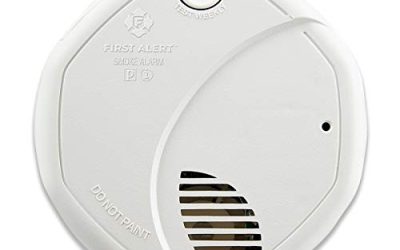
Kitchens fill with steam, smoke, and cooking fumes that can fool the wrong alarm. Photoelectric alarms react to the larger smoke particles from smoldering fires and are generally less prone to nuisance alerts from cooking than ionization alarms, which respond faster to the tiny particles from fast flaming fires but also to toast and searing. Many homes use a mix: photoelectric near the kitchen and ionization or dual sensor alarms in bedrooms and hallways. If your kitchen alarm sounds during normal cooking, the alarm type may be the problem rather than the location, and swapping the type is often simpler than moving the mount. Dual sensor alarms combine both types, but they can still sound during heavy cooking, so placement still matters.
Keep the Right Distance From the Stove
Distance is the single most important placement rule in a kitchen. Safety guidance commonly recommends keeping a smoke alarm at least 10 feet from a cooking appliance, because that gap lets cooking smoke thin out before it reaches the sensor while still keeping the alarm close enough to catch a real fire. In a small kitchen where 10 feet is impossible, mount the alarm as far from the stove as the room allows and choose a photoelectric model, which tolerates cooking air better. A small kitchen fan that vents outside also helps, since it pulls cooking smoke away from the alarm. Never mount an alarm directly above the stove or the range hood, where heat and steam hit the sensor first.
Choose Between Ceiling and Wall Mounting
Smoke rises, so the ceiling is the best place for an alarm in most rooms, and the kitchen is no exception. Mount the alarm on the ceiling near the center of the room, or at least away from corners where dead air pockets can delay smoke reaching the sensor. If a ceiling mount is not practical, a wall mount works when the alarm sits high on the wall, roughly 4 to 12 inches below the ceiling, where rising smoke still reaches it quickly. Avoid mounting an alarm in the peak of a vaulted ceiling, where a pocket of trapped hot air can hold smoke away from the sensor. Keep the alarm at least a few inches from any wall corner, where smoke can stall before reaching it.
Plan Power, Interconnection, and Maintenance Together
A well placed alarm that has no power is no alarm at all, so plan the power source at the same time as the location. Hardwired alarms with battery backup suit a permanent home and can be interconnected so that one alarm sounding sets off the others, which matters when a kitchen fire starts while the family sleeps upstairs. Battery alarms are simpler for renters and for adding coverage to an existing kitchen, but they need a fresh battery on schedule and a monthly test press. Whichever type you choose, write the install date on the alarm and plan to replace the whole unit after about 10 years. Alarms with a sealed ten year battery remove the battery chore entirely, which suits forgetful households.
Where to Place Detectors in the Kitchen
On the Ceiling, Near the Center of the Room
A ceiling mount near the center of the kitchen gives the alarm the fastest path to rising smoke from anywhere in the room. Smoke spreads across the ceiling in a thin layer before it drops, so a central alarm meets it sooner than one tucked in a corner. Keep the alarm at least a few feet from the stove side of the room when the layout allows, and avoid the dead air pocket where a wall meets the ceiling. In an open plan kitchen, a central ceiling position also covers the adjoining dining area, which is a bonus when cooking smoke drifts across the room. Avoid the space directly above the stove, and keep the alarm clear of ceiling fans that could push smoke away from it.
High on the Wall, Away From the Cooktop
When the ceiling is not an option, a high wall mount is the next best choice. Place the alarm 4 to 12 inches below the ceiling on a wall that is not directly behind the stove, and keep it clear of the range hood exhaust path, where steam and grease can coat the sensor over time. A wall mount on the side of the kitchen opposite the cooktop often works well, because it stays far from cooking fumes while remaining in the same room. Check that the alarm is not hidden behind a tall cabinet or a shelf that would block smoke from reaching it. A wall mount also works well in kitchens with high or vaulted ceilings, where a ceiling mount would sit too far from the cooking area.
In the Hallway Outside the Kitchen
If the kitchen is small or the cooking smoke is heavy, the hallway just outside the kitchen can be a better alarm location than the kitchen itself. An alarm in the hallway still catches smoke leaving the kitchen, and it sits far enough from the stove to avoid most false alerts. This spot also protects the route between the kitchen and the bedrooms, which is the path the family will use to escape. Pair a hallway alarm with one in the kitchen only if the kitchen is large enough to keep the alarm at least 10 feet from the stove, otherwise the hallway unit alone is the calmer choice. Make sure the hallway alarm is close enough to the kitchen door to catch smoke early, but not so close that cooking steam reaches it.
Near Bedrooms and on Every Level
Kitchen placement is only part of the picture, because a kitchen fire matters most when the household is asleep. Place an alarm inside every bedroom, one outside each sleeping area, and at least one on every level of the home, including the basement. The hallway alarm outside the kitchen then becomes one link in a chain that wakes the household no matter where the fire starts. If the alarms are interconnected, a kitchen alarm sounding will trigger the bedroom alarms too, which is the safest arrangement for a home where the kitchen sits far from the bedrooms. Test the whole chain monthly by pressing the test button on one alarm and listening for the others to sound.
Which One Fits Your Situation
You Have a Small Galley Kitchen
Choose a photoelectric alarm mounted high on the wall at the far end of the galley, as far from the stove as the room allows. A small kitchen cannot give you the full 10 foot gap, so the alarm type and the farthest possible position matter more than the exact distance. Add a hallway alarm just outside the kitchen door for backup, and avoid a ceiling mount directly over the cooktop where steam hits first. A small fan that vents outside also cuts down on cooking smoke reaching the alarm.
You Have an Open Plan Kitchen and Living Area
Choose a ceiling mounted photoelectric alarm near the center of the kitchen zone, with a second alarm in the living area if the space is large. Open plans let cooking smoke drift, so the central position catches it early without sitting over the stove. Keep the alarm clear of the range hood exhaust and of any ceiling fan that could push smoke away from the sensor. Interconnected alarms work well here, since one sounding can alert the whole open space. Keep alarms clear of ceiling fans, which can push smoke away from the sensor.
You Cook With Gas and Sear Often
Choose a photoelectric alarm kept at least 10 feet from the gas range, and consider a heat alarm for the kitchen itself if false alerts keep happening. Gas cooking produces more combustion byproducts and more high heat cooking, which is exactly the combination that sets off sensitive alarms. A heat alarm responds to a rapid temperature rise rather than smoke, so it tolerates searing and frying while still warning of a real fire. Keep a lid nearby for pan fires, since smothering the flames is faster than any alarm.
You Rent and Cannot Rewire Anything
Choose battery powered alarms you can mount with screws or adhesive pads, placed high on a wall away from the stove and in the hallway outside the kitchen. Battery alarms need no wiring and no landlord permission for electrical work, and they still protect the escape route. Test the alarm monthly, change the battery on schedule, and take the alarms with you when you move, since they are yours and the next home will need them too. Check with your landlord before drilling, since adhesive mounts may be the safer choice.
Common Mistakes
- Mounting a smoke alarm directly above the stove, where steam and cooking smoke trigger constant false alerts.
- Disabling or removing a kitchen alarm after false alerts instead of moving it or changing the alarm type.
- Placing an alarm in a corner or a ceiling peak, where dead air pockets delay smoke from reaching the sensor.
- Forgetting the hallway outside the kitchen and the bedrooms, so a kitchen fire is not heard where people sleep.
- Never testing alarms or replacing batteries, so a well placed alarm sits dead when it is needed.
Frequently Asked Questions
How far should a smoke detector be from the stove?
Safety guidance commonly recommends at least 10 feet between a smoke alarm and a cooking appliance, because that distance lets normal cooking smoke thin out before it reaches the sensor. In a small kitchen where 10 feet is not possible, mount the alarm as far from the stove as the room allows and choose a photoelectric model, which is less easily fooled by cooking smoke than an ionization model.
Should a smoke detector go inside the kitchen at all?
Yes, a smoke alarm belongs in or very near the kitchen, since cooking is the most common source of home fires. The key is placement: keep it at least 10 feet from the stove, on the ceiling or high on a wall, and away from the range hood exhaust. If the kitchen is too small for that gap, place the alarm in the hallway just outside the kitchen instead.
Why does my kitchen smoke alarm keep going off when I cook?
Most false alerts come from an alarm that is too close to the stove, or from an ionization alarm reacting to the fine particles from searing, frying, and toasting. Moving the alarm farther from the cooktop and switching to a photoelectric model usually fixes it. Grease and dust on the sensor can also cause alerts, so vacuum the alarm gently and keep it clear of the range hood exhaust path.
What is the difference between a smoke alarm and a heat alarm?
A smoke alarm detects smoke particles in the air, while a heat alarm responds to a rapid rise in temperature or to heat above a set threshold. Heat alarms tolerate cooking smoke and steam, which makes them useful in kitchens where smoke alarms keep sounding falsely. A heat alarm is a complement to smoke alarms elsewhere in the home, not a replacement for them.




Write Your Review
No reviews yet. Be the first to share your experience!