
Hosting a gathering, whether it is a casual backyard barbecue or an elegant holiday dinner, often hinges on self-serve beverage stations. A reliable drink dispenser keeps guests happy and frees you up from constantly playing bartender. However, browsing storefronts reveals an overwhelming array of shapes, sizes, and materials that can make a simple purchase feel unnecessarily complicated.
- Capacity and Sizing: Matching the Vessel to the Event
- Spigot Materials and Mechanics: Plastic vs. Metal
- Material Composition: Glass, Acrylic, and Stainless Steel
- Base and Elevation: Why Height Matters for Pouring
- Infusers and Ice Cores: Keeping Flavors Rich Without Dilution
- Cleaning and Maintenance Access: Avoiding Hard-to-Reach Grime
- When to Spend More: Premium Features Worth the Cost
- Related Guides
- FAQ
- Related Guides
To find a model that actually serves your needs without leaking, clogging, or tipping over, you need to look past aesthetic appeal and focus on structural mechanics. This guide breaks down the core elements that separate a frustrating single-use party piece from a durable, long-term investment for your home entertaining toolkit in 2026.
As an Amazon Associate we earn from qualifying purchases at no extra cost to you.
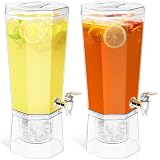
Capacity and Sizing: Matching the Vessel to the Event
Choosing the right capacity is the first major hurdle when selecting a drink dispenser. If you purchase a vessel that is too small, you will find yourself constantly running back to the kitchen to refill it mid-party. Conversely, buying a massive dispenser for a small family gathering means your beverages might sit out too long, losing their carbonation or crisp flavor profile.
For intimate gatherings of four to eight people, a compact capacity in the range of one to two gallons typically suffices. If you frequently host large crowds or holiday dinners, look toward vessels holding three gallons or more. Consider your storage space as well; a towering multi-gallon glass jar might hold plenty of punch, but it could easily fail to fit beneath your standard kitchen refrigerator shelf or inside your storage cabinets when not in use.
Spigot Materials and Mechanics: Plastic vs. Metal
The spigot is the ultimate make-or-break component of any drink dispenser. No matter how gorgeous the glass container looks, a faulty valve will cause sticky puddles on your countertop within minutes. Avoid flimsy, lightweight plastic spigots that feature tight, stiff levers, as these frequently snap under regular pressure or wear down at the threading over time.
Instead, prioritize metal spigots made from stainless steel or food-grade brass. Metal options offer a smoother, more reliable quarter-turn mechanism and maintain a tight, leak-proof seal over years of use. If you do end up with a dispenser that features a cheap plastic spigot, check whether the threading is a standard size so you can easily swap it out for an upgraded metal replacement.
Material Composition: Glass, Acrylic, and Stainless Steel
The main body of your dispenser determines both its visual aesthetic and its daily durability. Glass is the traditional favorite because it is completely non-porous, meaning it will never absorb residual fruit flavors, odors, or stains from heavily pigmented juices like cranberry or sangria. However, glass is heavy, slippery when wet, and vulnerable to shattering if knocked against a hard granite countertop.
Acrylic and Tritan plastic models offer a lightweight, shatterproof alternative that makes them ideal for poolside parties, family events with young children, and outdoor patios. On the upper end of the price spectrum, insulated stainless steel dispensers excel at maintaining internal temperatures for hours, though they block visibility so guests cannot see when a refill is needed.
Base and Elevation: Why Height Matters for Pouring
A frequent oversight when buying a drink dispenser is forgetting about clearance space beneath the spigot. If your dispenser sits flat on a table surface, guests will struggle to slide a standard pint glass, mug, or mason jar underneath the nozzle without tilting the vessel dangerously close to the edge of the table.
Look for models that come with integrated elevated stands made from wrought iron, wood, or matching glass. If your favorite dispenser does not include a stand, ensure you have a sturdy, flat-topped utility block available to raise the unit a few inches. Proper elevation transforms a clumsy, spill-prone pouring station into an effortless, ergonomic self-serve bar.
Infusers and Ice Cores: Keeping Flavors Rich Without Dilution
If you plan on serving iced tea, infused waters, or custom lemonades, internal accessories like infuser tubes and central ice cores add significant value. An infuser cylinder snaps securely into the center of the vessel, allowing you to pack it with fresh mint leaves, cucumber slices, or berries. This infuses the liquid with vibrant flavor while keeping floating pulp and seeds away from the spigot intake.
Similarly, central ice cores prevent your drinks from becoming watered down. Dropping loose ice cubes directly into punch causes them to melt rapidly over the course of an afternoon, ruining the flavor balance. A sealed core keeps the contents refreshingly cold without adding unwanted liquid volume to your carefully crafted recipes.
Cleaning and Maintenance Access: Avoiding Hard-to-Reach Grime
A drink dispenser is only as good as your ability to clean it thoroughly after the party ends. Narrow-necked glass carafes and intricate spigot assemblies can easily trap sticky sugar residue, fruit pulp, and mold if you cannot reach every interior surface with a sponge or bottle brush.
Prioritize models featuring wide-mouth openings that allow you to comfortably slide your hand and a cleaning tool straight into the base. Additionally, check if the spigot uses a removable silicone gasket or washer. Being able to completely disassemble the valve mechanism ensures you can sanitize every component and prevent bacteria buildup between uses.
When to Spend More: Premium Features Worth the Cost
Basic drink dispensers can be found at almost any big-box store for a minimal investment, but upgrading to a premium model often pays off in longevity and performance. You should consider spending more when you want heavy-duty, double-walled insulation that prevents ambient room heat from warming your chilled beverages during outdoor events.
Furthermore, investing in artisanal hand-blown glass, commercial-grade stainless steel hardware, or modular multi-tier systems guarantees better structural integrity. Premium brands typically offer replacement parts as well, meaning a broken spigot or cracked lid does not force you to throw away an otherwise perfectly good dispenser.
Related Guides
To explore top-tier models currently available on the market, take a look at our expert Best Drink Dispensers in 2026: Compared and Ranked roundup.
FAQ
Can I put hot liquids like hot cider or mulled wine in a standard drink dispenser?
Most standard glass and acrylic dispensers are designed strictly for cold or room-temperature beverages. Pouring boiling or hot liquids into standard glass can cause thermal shock and crack the vessel, while cheap plastic can warp and leach chemicals. Always check manufacturer specifications before attempting hot beverage service.
Why is my drink dispenser leaking from the base of the spigot?
A leaking spigot is almost always caused by a misaligned rubber washer or a nut that is either too loose or overtightened. Disassemble the spigot, ensure the silicone gaskets are sitting flat against both the interior and exterior walls of the glass, and hand-tighten the nut gently until secure.
How do I prevent fruit pulp from clogging the spigot nozzle?
Pulp and small seeds naturally gravitate toward the valve opening during self-service. Using an internal fruit infuser basket prevents solids from floating free, or you can strain your beverages through a fine-mesh sieve before pouring them into the main container.
Are plastic dispensers safe from chemical leaching?
Modern quality plastic dispensers are typically crafted from BPA-free materials like Tritan, which resists staining and chemical degradation. However, it is still wise to avoid exposing plastic vessels to acidic citrus juices for extended periods or scrubbing them with abrasive scouring pads that scratch the surface.

Write Your Review
No reviews yet. Be the first to share your experience!