
Shopping for a muffin pan might seem straightforward, but anyone who has wrestled with mangled cupcakes or unevenly baked, pale-topped treats knows that pan construction plays a massive role in baking success. As the bakeware market evolves through 2026, the sheer variety of available materials, coatings, and gauge thicknesses can make selection overwhelming. Whether you are baking weekly breakfast batches or delicate pastries, understanding the engineering behind your baking equipment prevents frustration and ensures consistent results every single time.
- Material Matters: Aluminum, Steel, and Silicone
- Weight and Gauge: Why Heavy Pans Win
- Navigating Coatings: Non-Stick Versus Bare Metal
- Sizing and Cavity Depth Guidelines
- Rim Design and Structural Rigidity
- Common Mistakes When Buying Muffin Pans
- When It Is Actually Worth Spending More
- Related Guides
- FAQ
- Related Guides
The goal of this guide is to cut through the marketing noise and focus strictly on what impacts your baking performance. We will explore how different metals conduct heat, why pan weight prevents warping, and how to match your pan choice to your specific baking style and oven characteristics. By focusing on core performance indicators rather than brand hype, you can invest in a durable tool that will serve your kitchen reliably for years to come.
As an Amazon Associate we earn from qualifying purchases at no extra cost to you.
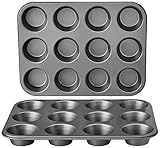
Material Matters: Aluminum, Steel, and Silicone
The foundation of any good muffin pan is its primary metal composition. Pure heavy-gauge aluminum offers exceptional thermal conductivity, heating up quickly and cooling down fast to prevent over-baking, though it requires a quality non-stick surface or paper liners. Aluminized steel combines the strength and durability of steel with the heat reflectivity and corrosion resistance of aluminum, making it the gold standard for commercial and home bakeries alike. Carbon steel is another heavy-duty option that holds heat wonderfully and develops a natural non-stick patina over time if seasoned properly. Silicone pans, on the other hand, offer ultimate flexibility and easy release, but they lack structural rigidity and heat the batter much slower, often yielding paler crusts and requiring a baking sheet underneath for safe transfer into the oven.
Weight and Gauge: Why Heavy Pans Win
Pan weight is one of the most reliable indicators of quality and durability. Lightweight, thin metal pans are prone to twisting and warping when exposed to high oven temperatures, which creates uneven baking surfaces where one side of your muffins burns while the other remains undercooked. Heavy-gauge pans absorb heat gradually and distribute it evenly across every single cup, ensuring uniform rise and consistent golden-brown crusts. When you pick up a pan in the store or read specifications online, look for substantial heft. A heavier pan will resist thermal shock, maintain its flat bottom over years of use, and provide the steady thermal mass necessary for professional-quality baking results.
Navigating Coatings: Non-Stick Versus Bare Metal
Non-stick coatings are convenient for releasing sticky batters filled with fruit, sugar, or cheese, but not all coatings are created equal. Multi-layer reinforced non-stick surfaces prevent food from bonding to the metal and allow for effortless cleanup with warm soapy water and a soft sponge. However, low-quality non-stick layers can flake or scratch easily when exposed to metal utensils or aggressive scrubbing. If you prefer to avoid chemical non-stick coatings entirely, heavy bare aluminum or seasoned carbon steel pans provide a safe alternative, provided you grease the cups thoroughly or rely on parchment paper liners. Always match your cleaning habits and utensil choices to the type of coating on your pan to maximize its lifespan.
Sizing and Cavity Depth Guidelines
Standard muffin pans feature twelve cups designed to hold roughly a quarter-cup of batter each, but capacity and slope angles vary widely across different manufacturers. Steeper, vertical walls encourage your muffins to grow upward into tall, bakery-style domes, while gently sloped walls create wider, flatter tops. Beyond standard dimensions, mini muffin pans are ideal for bite-sized snacks and quick-cooking appetizers, whereas jumbo pans accommodate oversized bakery treats that require adjusted baking times and temperatures. Consider the recipes you bake most frequently and select a cavity volume that matches your culinary style without causing overflows or uneven centers.
Rim Design and Structural Rigidity
The rim of a muffin pan does much more than provide a finished edge; it adds crucial structural integrity and influences how safely you can handle the pan. Pans featuring rolled edges enclosing a wire reinforcement resist twisting and warping significantly better than simple stamped-metal edges. Furthermore, a wide, prominent rim gives your oven mitts or potholders a secure, slip-free grip when you are pulling a heavy, full pan out of a hot oven. Paying attention to these subtle design elements prevents kitchen accidents and makes transferring your bakeware much safer and more ergonomic.
Common Mistakes When Buying Muffin Pans
One of the most frequent mistakes home bakers make is purchasing ultra-cheap multi-pack sets that feature flimsy, paper-thin metal. These bargain pans warp immediately and create severe hot spots that ruin delicate batters. Another common pitfall is choosing dark-colored or black-coated pans without adjusting your oven temperature; dark surfaces absorb radiant heat aggressively, often burning the bottoms and outer edges of your muffins before the centers are fully baked. Finally, buyers often ignore oven dimensions, purchasing oversized pans that block airflow or fail to fit comfortably alongside other baking sheets.
When It Is Actually Worth Spending More
Entry-level muffin pans often cost very little, so deciding to invest in premium bakeware requires understanding where your money goes. Upgrading to professional-grade aluminized steel means paying for superior commercial durability, corrosion resistance, and precise engineering that prevents hot spots for a decade or more. If you bake frequently, experience frequent warping issues with cheap pans, or demand uniform, picture-perfect results with every batch, spending extra on a heavy-duty, commercial-quality pan represents a worthwhile investment in your baking hobby.
Related Guides
To round out your bakeware collection with other high-performing equipment, explore our detailed roundups. You can read our expert muffin pan rankings for top-tested picks, find specialized shapes in our bundt pan reviews, or check out our comprehensive springform pan guide for delicate cheesecakes and tiered tortes.
FAQ
Do dark-colored muffin pans bake faster than light-colored ones?
Yes, dark-colored pans absorb and radiate more radiant heat, which causes baked goods to brown faster and potentially overcook on the edges. If you use a dark pan, you may need to reduce your oven temperature slightly or check your muffins a few minutes early.
Why do my muffins stick even to a non-stick pan?
Non-stick coatings degrade over time, and residual grease buildup from cooking sprays can bake onto the surface, creating a sticky layer instead of a slick one. Using paper liners or brushing the cups lightly with solid butter or oil rather than chemical sprays helps prevent sticking.
How can I prevent my muffin pan from warping in a hot oven?
Warping usually occurs when thin metal expands rapidly under high heat. Purchasing heavy-gauge aluminized steel pans and avoiding sudden temperature shocks, like putting a hot pan straight into cold sink water, will prevent permanent warping.
Are silicone muffin pans a good alternative to metal pans?
Silicone pans are flexible and easy to store, but they lack the structural rigidity of metal and do not conduct heat as efficiently, often resulting in paler, less-crisped crusts. They require a baking sheet underneath for stability and work best for soft-textured treats rather than traditional crusty muffins.

Write Your Review
No reviews yet. Be the first to share your experience!