
Making homemade dumplings at home is a rewarding culinary project, but shaping dozens of wrappers by hand can quickly test your patience. Whether you are folding classic potstickers, delicate wontons, or stuffed pierogies, choosing the right tool transforms an exhausting chore into a quick, satisfying kitchen workflow. The market is flooded with various pressing gadgets, wooden molds, and automated machines, making it easy to buy something that ultimately ends up collecting dust in a drawer.
Navigating this category requires looking past flashy marketing claims and focusing on structural integrity, ease of use, and practical ergonomics. When shopping for these tools, your goal is to find a design that streamlines your wrapping process without sacrificing the tight seal needed to keep fillings secure. This comprehensive decision guide breaks down the core specifications and features that genuinely matter so you can select a model tailored to your cooking habits in 2026.
Material Matters: Plastic, Stainless Steel, and Wood
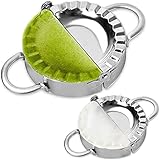
The material of your dumpling press dictates its durability, weight, and how easily dough releases from the surface. Plastic models are widely available and very affordable, making them popular entry-level options. However, cheaper plastics can warp over time, crack under intense pressure, or develop microscopic scratches that trap food residue and harbor bacteria. Food-grade ABS plastic is generally durable, but you must inspect the hinge pin, as plastic hinges are prone to snapping during repeated use.
Stainless steel models offer superior durability and a hygienic, non-porous surface that resists staining and rust. They have a satisfying heft that helps press dough evenly, though you should look for brushed finishes rather than polished chrome, which can become slick when your hands are coated in flour or oil. Wooden presses and multi-mold boards provide a traditional feel and excellent grip, but they require hand-washing and periodic conditioning with food-safe mineral oil to prevent splitting or drying out over time.
Size, Diameter, and Filling Capacity
One of the most common mistakes buyers make is ignoring the diameter of the mold and the depth of the central pocket. Standard dumpling wrappers typically measure between three and three-and-a-half inches in diameter. If your press is significantly smaller, you will be forced to cut down standard store-bought wrappers or make smaller dough circles from scratch. Conversely, an oversized press creates massive wrappers that require a tremendous amount of filling to seal properly, often leading to overstuffed, bursting pockets.
Pay close attention to the depth of the central cavity where the filling sits. A shallow pocket encourages overfilling because it creates an illusion of space, resulting in filling leaking onto the sealing rim and ruining the bond. Look for a design that balances a wide enough landing area for your filling while leaving a generous, flat perimeter around the edge for a secure crimp.
Press Mechanisms and Ergonomics
The mechanical design of a dumpling maker directly impacts hand fatigue, especially if you are prepping food for a large family dinner or freezing meals in bulk. Clamshell-style presses with dual handles act like pliers, leveraging hand strength to crimp the dough in one swift motion. Ensure the handles feature a comfortable, non-slip grip; bare wire handles or thin stamped metal edges can dig painfully into your palms when applying firm pressure.
Some advanced designs incorporate built-in cutting rings on the reverse side of the press, allowing you to punch out perfectly sized dough circles from rolled dough sheets before transferring them to the mold. While this is a convenient two-in-one feature, verify that the cutting edge is sharp enough to slice cleanly through pasta dough without dragging or stretching it out of shape. Stand-mounted presses and multi-mold blocks require different techniques, often relying on a rolling pin to seal multiple dumplings simultaneously, which is faster for high-volume production but demands more counter space.
Evaluating Seal Quality and Preventing Blowouts
The ultimate test of any dumpling maker is whether its output survives the cooking process without splitting open in boiling water or hot oil. A poor seal is usually the result of inadequate crimping pressure or a dull crimping ridge that merely pinches the dough instead of fusing the edges together. Look for presses that feature deep, wide ridges or distinct alternating teeth patterns, as these create a stronger, more secure mechanical bond.
Furthermore, check how the two halves align when closed. If the hinge is loose or wobbles side-to-side, the edges will misalign, leaving thin spots in the dough that inevitably leak during cooking. A sturdy, riveted center hinge ensures the press closes with absolute precision every time, maintaining uniform pressure across the entire semi-circular rim.
Maintenance, Cleaning, and Storage
A gadget that is difficult to clean will quickly be abandoned, no matter how well it performs. Hinged metal and plastic presses often feature tight crevices around the pivot pin where sticky dough scraps and meat fillings can wedge themselves. Look for designs that allow you to easily wipe down the mechanism or models that are fully dishwasher safe if you prefer effortless cleanup.
Storage footprint is another practical consideration. Single clamshell presses are compact and easily slide into a utensil drawer, whereas large wooden multi-molds or heavy metal contraptions demand dedicated cabinet space. Evaluate your kitchen storage reality before committing to oversized specialty equipment that you may only use a few times a year.
Related Guides
If you enjoy making fresh pasta and stuffed dough dishes from scratch, expanding your toolkit can open up an array of culinary possibilities. For help choosing the right equipment, consult our Best Dumpling Makers roundup for top-tested recommendations. To explore alternative traditional shapes, check out the top picks in our Gnocchi boards and cavatelli makers guide. Finally, if you want to master stuffed square pastas, take a look at our expert evaluations in the ravioli makers review.
FAQ
Should I use water or egg wash on my dumpling maker?
Lightly brushing the outer rim of the wrapper with plain water is usually sufficient to activate the starches and create a secure bond. Egg wash is unnecessary for most Asian-style wrappers and can make the edges tough, though it is sometimes useful for thicker pasta doughs like ravioli or pierogies.
Can I use store-bought wrappers with these presses?
Yes, most standard round dumpling or gyoza wrappers found in refrigerated Asian grocery aisles fit perfectly into three-inch presses. If your wrappers are slightly too large, you can trim them down with a small circular cookie cutter or gently stretch them to fit the mold.
Why do my dumplings keep opening up when I boil them?
Dumplings typically burst open due to overfilling, moisture on the sealing edge, or an inadequate press seal. Ensure your filling is cool, keep the outer rim completely dry and free of oil or flour, and press down firmly to fully fuse the dough layers together.
Are stainless steel presses better than plastic ones?
Stainless steel models offer superior longevity, do not warp or stain, and provide a heavier pressing weight that helps seal stubborn doughs. Plastic models are lighter and cheaper, but they are more susceptible to long-term wear and tear, especially around the hinge mechanism.
As an Amazon Associate we earn from qualifying purchases at no extra cost to you.
Write Your Review
No reviews yet. Be the first to share your experience!