
Building out a home bar means moving beyond standard pint glasses and treating your IPAs, stouts, and sours with the glassware they actually deserve. While it is easy to accumulate a random assortment of branded brewery glassware, selecting a cohesive, functional set transforms how you experience aroma, head retention, and carbonation. The physical geometry of a vessel dictates how volatile compounds hit your nose and how the liquid flows across your palate, making glass selection just as important as temperature control in any setup.
Navigating the endless array of tulips, snifters, and Teku glasses can feel overwhelming when outfitting a personal taproom. Instead of buying a massive set of single-use vessels, focusing on core physical specs like rim thickness, laser-etched nucleation points, and ergonomic balancing points ensures you get maximum versatility. This guide breaks down the structural characteristics that matter most, helping you build a smart collection that elevates your weekend pours without cluttering your shelving.
As an Amazon Associate we earn from qualifying purchases at no extra cost to you.

Glass Shape and Aroma Volatilization
The geometry of a craft beer glass is never an accident of design; it is a calculated instrument meant to enhance specific flavor profiles. When you pour a complex double IPA or a Belgian quadrupel into a bulbous tulip glass, the inward-curving rim traps volatile organic compounds inside the vessel. As you lift the glass, your nose enters that concentrated aroma zone before your lips ever touch the liquid, priming your palate for the flavor notes ahead. Conversely, tall, straight-walled pilsner glasses direct carbonation straight upward and present a crisp, clean aromatic profile that highlights noble hops and clean malt structures without overwhelming the senses. Understanding how different profiles handle volatiles ensures you match your glassware to your favorite beer styles, drastically improving the overall sensory experience during your tastings.
Rim Thickness and Lip Design
The edge of the glass—where your mouth makes contact with the beer—plays a surprisingly massive role in your perception of texture and flavor. Cheap, heavy-rimmed glasses create a physical barrier that forces your lips apart, altering how the liquid flows across your tongue and introducing an awkward tactile distraction. Premium home bar glassware typically features either laser-cut or fire-polished rims that are exceptionally thin and smooth. A thin rim allows the beer to transition seamlessly onto your palate, letting the true weight, carbonation, and mouthfeel of the brew take center stage. When shopping for your collection, running your thumb along the rim can quickly tell you whether a glass was engineered for serious tasting or simply mass-produced for durability.
Nucleation Points for Head Retention
If you look closely at the interior bottom of high-end craft glassware, you will often spot a faint, laser-etched geometric pattern or logo. These are nucleation points—microscopic rough spots designed to give dissolved carbon dioxide bubbles a designated place to form and rise. Without nucleation points, CO2 often remains trapped in solution until it hits your stomach, leading to bloating and a flat-feeling beer halfway through the pint. By creating a continuous, gentle stream of rising bubbles, these etched points constantly refresh the foam head, releasing fresh aromatics with every single sip you take. For a home bar setup where pours might sit for twenty or thirty minutes while you chat with guests, nucleation features are an absolute game-changer for maintaining visual appeal and flavor integrity.
Glass Material: Soda-Lime vs. Crystalline
The chemical composition of your glassware dictates its weight, clarity, and overall lifespan under home bar conditions. Traditional soda-lime glass is affordable, robust, and handles the rough-and-tumble nature of casual gatherings with ease, making it a staple for high-volume settings. However, modern crystalline glass—which achieves brilliant clarity and a resonant ring without using toxic lead—offers a significantly more refined drinking experience. Crystalline is thinner, lighter, and more resistant to scratching over years of machine or hand washing, allowing the true color and turbidity of hazies and stouts to shine through vividly. While crystalline requires a bit more care when handling, investing in a few core pieces elevates the aesthetic of your backbar immediately.
Capacity and Head Space Management
Pouring a standard twelve-ounce bottle or can into a twelve-ounce glass is a common home bar rookie mistake that results in a messy counter and zero room for foam. Proper craft beer glassware always incorporates significant headspace above the liquid line, typically boasting a total capacity of sixteen to twenty ounces. This extra volume accommodates the vigorous pour required to break out carbonation and build a proper two-to-three-finger head without spilling over the edges. Furthermore, that upper headspace acts as a chamber to capture and concentrate the volatile aromatics released during the pour. Always verify that your glassware has at least twenty-five to thirty percent more volume than the standard serving size you intend to pour for guests.
Ergonomics and Stemware Balance
A beautiful glass is useless if it feels awkward in your hand or constantly feels like it is on the verge of tipping over. Stemmed vessels like Teku glasses and Belgian snifters keep your body heat away from the liquid, ensuring your pale ale or imperial stout stays at the optimal serving temperature longer. However, a narrow stem paired with a top-heavy bowl can spell disaster on a crowded or slightly uneven home bar surface. Look for stemmed glassware with a wide, stable base that anchors the center of gravity low to the table. Additionally, test the grip ergonomics; the stem or body should fit comfortably in your hand, allowing you to swirl the liquid effortlessly to release trapped esters without straining your wrist.
Related Guides
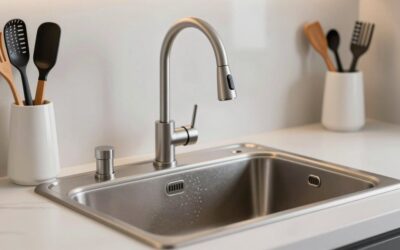
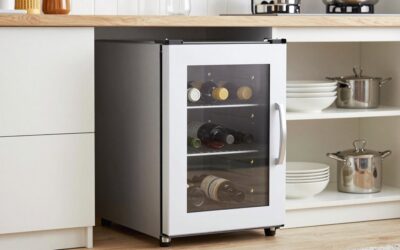
When rounding out your home setup, pairing the right glassware with proper draft hardware and cleanup stations makes all the difference. For deeper dives into specific products, check out our insights on the Best Craft Beer Glasses for Home Bars in 2026: Compared and Ranked to see top-performing options side by side. If you are upgrading your beverage delivery system, our review of the Best Multi Tap Kegerator Draft Systems for Home Bars in 2026: Compared and Ranked offers essential advice on maintaining optimal pour pressure. Additionally, keeping your glassware spotless requires efficient cleanup layouts, which you can explore in our guide on the Best Undermount Bar Sinks with Prep Stations for Custom Home Bars in 2026: Compared and Ranked.
FAQ
Do I really need a different glass for every style of beer?
No, you do not need a dedicated glass for every single style on the market. A versatile core set featuring a tulip glass, an IPA tumbler, and a standard nonic pint will cover roughly eighty percent of craft styles effectively.
What is the purpose of the laser etching at the bottom of some glasses?
That etching is a nucleation point designed to give carbonation bubbles a rough surface to cling to and release. This continuous stream of bubbles helps maintain a persistent foam head and continually releases fresh aromatics as you drink.
Should I store my craft beer glasses in the freezer?
Freezing glasses is generally discouraged for serious craft beer because it causes ice crystals to form, which leads to excessive foaming and mutes delicate flavor notes. Instead, rinse your glassware with cold tap water just before pouring to achieve a clean, chilled surface without frosting.
Are expensive crystal glasses dishwasher safe?
Many modern crystalline and high-end glass lines are technically dishwasher safe, but hand washing is strongly recommended to prevent long-term cloudiness and chipping. If you do use a dishwasher, stick to a low-heat gentle cycle and mild detergent.

Write Your Review
No reviews yet. Be the first to share your experience!