
Waiting an hour or two for a bold red wine to breathe can test the patience of any host or enthusiast. Fortunately, modern instant aerators have revolutionized how we enjoy wine by forcing rapid oxidation right as you pour, bringing out complex aromas and softening harsh tannins within seconds. As wine accessories continue to evolve through 2026, the market is flooded with sleek designs, electronic gadgets, and traditional pour spouts that all promise the ultimate tasting experience.
- Understanding Aeration Mechanics: Venturi vs. Cascade
- Material Quality and Safety Standards
- Bottle Compatibility and Leak Prevention
- Maintenance Realities and Cleanability
- Manual Pour-Through Spouts vs. Electronic Dispensers
- Common Buying Mistakes to Avoid
- Knowing When to Spend More
- Related Guides
- FAQ
- Related Guides
However, not all aerators deliver on their promises, and choosing the right model comes down to understanding the mechanics of oxidation, your personal drinking habits, and daily maintenance realities. To find a tool that genuinely improves your wine without creating messes or altering the flavor profile negatively, you need to look past flashy marketing and evaluate the core engineering features that matter most.
As an Amazon Associate we earn from qualifying purchases at no extra cost to you.
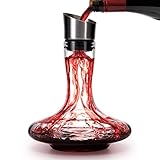
Understanding Aeration Mechanics: Venturi vs. Cascade
At the heart of every instant aerator is a specific physics principle designed to maximize the wine’s exposure to oxygen. The most common mechanism is the Venturi effect, which uses a constricted channel inside the aerator to accelerate the flow of wine. This drop in pressure draws air in through tiny side vents, forcing bubbles directly into the liquid as it pours. It creates a distinct bubbling sound and provides rapid, heavy aeration that works wonders on young, tannic reds like Cabernet Sauvignon or Barolo.
Alternatively, cascade or shower-style aerators force the wine through a perforated plate or multi-stage grid, spreading the liquid into a thin, wide sheet before it hits your glass. This method is generally gentler than the Venturi effect, making it ideal for medium-bodied wines like Pinot Noir or Chianti that can easily be over-aerated. When choosing a style, consider the types of wine you drink most frequently and whether you prefer heavy softening or a lighter touch of aeration.
Material Quality and Safety Standards
Because these devices come into direct contact with acidic liquids, the materials used in their construction are critically important. Cheap acrylics and low-grade plastics can sometimes impart a subtle chemical taste or degrade over time when exposed to wine acids. Look for aerators crafted from food-grade, BPA-free plastics, high-borosilicate glass, or medical-grade stainless steel components that ensure absolute chemical neutrality.
Beyond taste, durability is a major factor. Glass models offer a crystal-clear aesthetic and a luxurious weight, but they are prone to shattering if dropped on a hard kitchen tile or knocked against a sink during cleanup. High-impact polymers and food-grade silicone seals provide the best balance of drop resistance, structural integrity, and long-term safety, ensuring your device will withstand regular entertaining and everyday use.
Bottle Compatibility and Leak Prevention
A poorly fitting aerator can turn a sophisticated dinner party into a stained-tablecloth disaster. Universal compatibility largely depends on the silicone or rubber base of the spout. Tapered, ribbed stoppers adapt well to a wide variety of standard wine bottle neck diameters, creating a tight, airtight seal that prevents wine from leaking out of the sides while you pour.
Equally important is the pour lip design. Look for aerators featuring an anti-drip cut or a reverse-sloped spout that catches stray droplets before they can slide down the side of the bottle. Some models also integrate a fine mesh sediment filter at the intake tip, which is especially useful if you enjoy older vintage wines that naturally throw sediment as they age.
Maintenance Realities and Cleanability
The best wine gadget in the world becomes useless if it is too tedious to clean. Wine sediment, tannins, and sugars dry quickly inside narrow aerator channels, leaving stubborn stains and potentially clogging internal air intake holes if neglected. When evaluating options, prioritize designs that can be easily disassembled or rinsed completely clean under warm running water.
While some modern pour spouts are dishwasher safe on the top rack, many electronic aerators or delicate acrylic models require hand washing with specialized brushes. Check whether the manufacturer includes a cleaning stand or a specialized mini brush. Choosing a model with a straightforward, open-path design prevents wine residue from hiding in inaccessible internal crevices where bacteria or mold could theoretically form.
Manual Pour-Through Spouts vs. Electronic Dispensers
The market generally splits into two main categories: manual pour-through spouts and motorized electronic dispensers. Manual spouts are compact, highly portable, budget-friendly, and require no batteries or charging cables. They rely entirely on your pouring action and the built-in air intake chambers to oxygenate the wine instantly as it flows into the glass.
Electronic aerators, on the other hand, use a battery-powered pump to draw wine up through a silicone tube and force it through an aerating chamber directly into your glass via a flexible hose or tap. While bulkier and more expensive, electronic units offer precise portion control, eliminate the need to lift and tilt heavy wine bottles, and often provide an adjustable aeration setting. They are fantastic for large gatherings, individuals with wrist mobility concerns, or anyone who loves high-tech kitchen gadgets.
Common Buying Mistakes to Avoid
One of the most frequent mistakes buyers make is prioritizing futuristic aesthetics over functional utility. A sculptural, highly complex aerator might look stunning on a bar cart, but if its internal labyrinth of channels is impossible to scrub clean, it will quickly become a single-use paperweight. Avoid models with overly narrow air intake tubes that easily clog with the first splash of heavy red wine.
Another pitfall is ignoring storage requirements. Large decanting carafes with attached stands take up considerable counter and cabinet space, whereas simple pour spouts can be stored neatly in a standard drawer. Always match the physical footprint of the device to your actual kitchen and bar storage capacity before making a purchase decision.
Knowing When to Spend More
Entry-level aerating spouts can be found for a very modest investment, and many basic models perform surprisingly well for casual weeknight drinking. However, stepping up to a mid-tier or premium model usually buys you superior food-grade materials, better internal fluid dynamics that minimize splashing, and more secure, universally adaptable bottle seals.
You should consider spending more if you frequently entertain guests, regularly open expensive vintage bottles that demand precise handling, or want the convenience of an automated, rechargeable electronic dispenser. Premium brands also typically back their products with better warranty coverage, ensuring peace of mind for your investment in home bar accessories.
Related Guides
To explore more top-rated options and compare specific brand performances, take a look at our comprehensive Best Wine Aerators for Instant Decanting in 2026: Compared and Ranked guide.
FAQ
Do wine aerators really work instantly?
Yes, instant aerators work by forcing rapid contact between wine and oxygen through physical design principles like the Venturi effect or dispersion grids. While traditional decanting takes hours, an instant aerator alters the taste profile and softens tannins immediately as you pour.
Can aerators ruin old or delicate wines?
Aggressive aeration can sometimes overwhelm delicate, aged, or fragile wines like older Pinot Noir or vintage Burgundies, stripping away their nuanced secondary aromas. For older bottles, a gentle pour-through aerator with minimal turbulence or a traditional decanter is usually a safer choice.
How do I clean a wine aerator properly?
Rinse your aerator immediately under warm water after use to prevent wine sugars and tannins from drying inside the channels. Avoid using harsh dish soap unless necessary, as it can leave a residual scent; instead, use a specialized cleaning tablet or a small brush for stubborn buildup.
Are electronic aerators better than manual ones?
Electronic aerators provide superior convenience, adjustable aeration levels, and effortless dispensing without lifting heavy bottles, making them great for parties. However, manual spouts are more affordable, portable, require no charging, and are much easier to clean.




Write Your Review
No reviews yet. Be the first to share your experience!