
Rust spots on stainless steel utensils are usually surface stains, not proof that the utensil is made entirely of ordinary steel. Stainless steel can still discolor when iron particles, salt, moisture, or harsh chemicals remain on its surface. The good news is that most small orange or brown marks can be removed with gentle cleaning and a nonabrasive rust remover.
What goes wrong is often the cleanup method. Steel wool, rough scouring pads, and chlorine bleach can scratch the protective surface or trigger more corrosion. Scrubbing too aggressively may also leave dull streaks that are harder to correct than the original rust spot. This 2026 guide explains how to remove rust spots from stainless steel utensils safely, whether you are treating a single knife or a full drawer of forks and spoons.
As an Amazon Associate we earn from qualifying purchases at no extra cost to you. Product prices and availability are accurate as of the date shown and are subject to change.

Quick answer: Our top pick in 2026 is the Warm water — our #1 rated choice. See the full ranked comparison, alternatives and buying advice below.
What You Need
| Item | Why | Optional? |
|---|---|---|
| Warm water | Loosens food residue and rinses away cleaner | No |
| Dish soap | Removes grease, salt, and grime before rust treatment | No |
| Soft microfiber cloth or non-scratch sponge | Cleans without creating visible scratches | No |
| Soft toothbrush | Reaches around handles, rivets, and fork tines | Optional |
| Baking soda | Provides a mild paste for light surface spots | Optional |
| White vinegar | Helps loosen some mineral and iron deposits | Optional |
| Stainless-steel rust remover | Targets stubborn rust stains more directly | Optional |
| Clean towel | Dries the utensil and prevents fresh water spots | No |
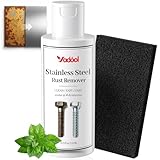
For persistent stains, a purpose-made product may save time. Two examples sold for stainless steel are Stainless Steel Rust Stain Remover & Cleaner, 3.72 fluid ounces, listed at about $15.95, and Stainless Steel Rust Remover, Rust Stain Cleaner for Appliances, 3.72 fluid ounces, listed at about $13.99. Prices can change, so treat roughly $14 to $16 as a buying range. Check the label to confirm that the formula is suitable for food-contact items, and follow its required rinse instructions.
Step-by-Step
1. Identify the stain and remove the utensil from service (2 minutes)
Set the utensil aside and inspect the marks under good light. Orange dots, thin brown streaks, and reddish film are commonly surface rust or transferred iron. A deep pit, sharp edge, cracked handle, or flaking metal is a different problem and may not be safely repairable.
Do not clean a hot utensil. If it came from a dishwasher or pan, let it cool completely. Remove any food particles before applying an acidic or rust-removing product.
2. Wash away grease and loose residue (3 to 5 minutes)
Fill a basin with warm water and add a small amount of dish soap—about 1 teaspoon per 1 gallon of water is sufficient. Wash the utensil with a soft sponge, moving in the direction of the visible grain if the surface has a brushed finish.
Use a soft toothbrush around fork tines, knife bolsters, engraved marks, and joints. Rinse thoroughly. Rust remover works less predictably when grease, dried food, or dishwasher film covers the stain.
3. Try a mild baking-soda treatment for light spots (5 to 10 minutes)
For a few small marks, mix 2 tablespoons of baking soda with approximately 1 teaspoon of water to make a thick paste. Apply it to the rust with a damp microfiber cloth. Rub lightly for 30 to 60 seconds, using small strokes that follow the utensil’s finish.
Let the paste sit for up to 5 minutes, but do not allow it to dry into a hard crust. Rinse completely and inspect the area. Repeat once if the mark is fading. Stop if the surface begins to look dull or scratched.
4. Use diluted vinegar only when needed (5 to 15 minutes)
For mineral deposits or rust that remains after baking soda, dampen a cloth with equal parts white vinegar and water. Place it over the spot for 2 to 5 minutes, then gently wipe. Do not soak an entire utensil for a long period, especially if it has a bonded handle, decorative coating, or mixed-metal details.
Rinse immediately with clean water. Vinegar is acidic, and leaving it on stainless steel too long can affect the finish. Never mix vinegar with chlorine bleach or other household cleaners.
5. Apply a commercial rust remover for stubborn stains (5 to 15 minutes)
Read the label before use. Some rust removers are designed for appliances, grills, or furniture and may not be approved for utensils or food-contact surfaces. If the product is suitable, test a small inconspicuous area first.
Apply the smallest amount needed—often a pea-sized dab for a spot under 1 inch across. Leave it on only for the labeled dwell time, commonly a few minutes rather than an extended soak. Wipe gently with a soft cloth. Do not use a metal brush, abrasive powder, or scouring pad at the same time.
Rinse the utensil under running water for at least 30 seconds, or longer if the label specifies. Wash it again with dish soap, then rinse thoroughly. If the utensil still smells of cleaner or feels slippery, wash and rinse it again before use.
6. Dry and inspect the finish (2 to 3 minutes)
Dry the utensil immediately with a clean, lint-free towel. Air-drying can leave mineral-rich water behind, and repeated moisture can encourage new spots. Hold the utensil at an angle under bright light. A faint shadow may be staining, while a rough depression indicates pitting.
If the spot is gone and the surface feels smooth, return the utensil to storage. If rust returns quickly, inspect the dishwasher rack, sink, drying area, and nearby utensils for damaged plating or loose iron particles.
Mistakes to Avoid
- Do not use steel wool or wire brushes. They can scratch stainless steel and leave behind iron particles that rust.
- Do not use chlorine bleach. Chlorides can damage stainless steel, particularly when left on the surface or trapped in seams.
- Do not mix cleaners. Keep vinegar, rust removers, bleach, ammonia, and other chemicals separate.
- Do not scrub across a brushed finish. Follow the grain to reduce visible marks.
- Do not leave acidic cleaners sitting overnight. A short, labeled contact time is safer than prolonged exposure.
- Do not put a rust-stained utensil back in a crowded dishwasher. Contact with a rusty rack or damaged metal item may spread staining.
- Do not assume every “stainless” item is solid stainless steel. Plated, coated, or decorative utensils require extra caution.
How Often
Clean rust spots as soon as you notice them. For ordinary household use, inspect utensils once a month, particularly after dishwasher cycles. Wipe stainless utensils dry after hand-washing and avoid leaving them submerged in salty or acidic water.
Routine polishing is not necessary. A gentle soap wash is usually enough. If your water is hard, dry utensils promptly and occasionally wipe them with a clean damp cloth followed by a towel. Replace a dishwasher rack when its vinyl coating is peeling and exposing rusty metal.
When to Call a Pro or Replace
Most utensil rust is a do-it-yourself cleaning issue. Consider professional advice for expensive flatware, antiques, knives with specialized blades, or pieces with wood, horn, leather, glued, or electrically insulated handles. A professional can help determine whether the metal is plated and whether polishing would remove the finish.
Replace the utensil if rust has created deep pits, holes, sharp burrs, a loose handle, a split seam, or flaking metal. Also replace any item that continues to shed rust after careful cleaning. Deeply corroded surfaces are difficult to sanitize reliably and may harbor residue in the pits.
FAQ
Can I remove rust spots with lemon juice?
Yes, lemon juice can loosen some light deposits because it is acidic, but it is not always as predictable as a labeled stainless-steel product. Apply it briefly to a cloth rather than soaking the utensil, rinse well, wash with dish soap, and dry immediately. Never combine lemon juice with bleach or other cleaners.
Is baking soda safe for stainless steel utensils?
Usually, yes, when used as a wet paste with gentle pressure. Baking soda is mildly abrasive, so avoid vigorous scrubbing and do not use it with a rough pad. Rinse carefully to remove residue from fork tines, grooves, and engraved areas.
Why do my stainless steel utensils keep rusting?
Common causes include a damaged dishwasher rack, trapped moisture, hard-water deposits, salt left on the surface, contact with rusty steel, or harsh chlorine-based cleaners. Check the rack and drying area, keep utensils separated from corroding items, and towel-dry them after washing.
Can rusty utensils go in the dishwasher?
It is better to remove the rust first. A dishwasher may spread loose iron particles and can worsen corrosion if the rack coating is damaged. After cleaning, place the utensil in a sound rack, use the recommended detergent amount, and remove it promptly when the cycle ends.
Ready to decide? Our #1 pick for 2026 is the Warm water.
Live price & availability on Amazon.




Write Your Review
No reviews yet. Be the first to share your experience!