
Quick answer: Our top pick in 2026 is the Basic stainless-steel straight peeler — our #1 rated choice. See the full ranked comparison, alternatives and buying advice below.
The Short Answer
Yes—a ceramic vegetable peeler is worth buying if you mainly peel firm fruits and vegetables and are willing to handle the blade more carefully than a metal one. Ceramic blades are lightweight, naturally rust-proof, and can stay sharp for a long time with ordinary home use. They are especially appealing for potatoes, carrots, cucumbers, apples, and zucchini.
However, a ceramic peeler is not automatically better. Its blade can chip or snap if it is dropped, twisted through tough produce, or used on hard surfaces. If you want the most forgiving tool for a busy kitchen, a good stainless-steel peeler remains the safer all-purpose choice.
As an Amazon Associate we earn from qualifying purchases at no extra cost to you.

What You Actually Get
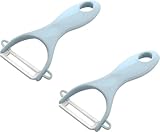
A ceramic vegetable peeler usually consists of a plastic handle and a small zirconia ceramic blade. Most models are either a straight peeler, which resembles a traditional knife-style peeler, or a Y-peeler, with a horizontal blade between two arms. A typical household peeler is about 5 to 7 inches long and weighs roughly 1 to 2 ounces, so it takes up very little drawer space.
The main difference is the blade material. Stainless steel can rust, discolor, or develop dull spots over time, particularly if it is left wet or placed in a dishwasher repeatedly. Ceramic does not rust and is largely resistant to staining from foods such as beets, squash, and tomatoes. It also creates a clean, thin peel when the blade is sharp and the produce has a reasonably smooth surface.
That does not mean ceramic stays razor-sharp forever. It generally resists wear well during normal household peeling, but it is not immune to dulling. Unlike many metal peelers, ceramic blades are difficult or impossible for most owners to sharpen at home. Once the edge becomes noticeably dull, replacement is usually more practical than repair.
Prices are another reason ceramic peelers attract attention. Basic models commonly cost about $4 to $12, while multipacks and more elaborate sets may cost $8 to $20. For example, the YOFAN Ceramic Y-Peeler Set is listed at $3.99 for two peelers, while the Zittop two-peeler option is listed at $7.59. At those prices, replacing a worn or damaged peeler is inexpensive, although low cost can also mean a less comfortable handle or less consistent quality control.
Pros
- Rust-proof construction: The ceramic blade will not rust, making it useful in humid kitchens or for anyone who frequently leaves tools to air-dry.
- Lightweight handling: Most ceramic peelers weigh around 1 to 2 ounces, which can reduce hand fatigue during large batches of potatoes, apples, or carrots.
- Long edge life in normal use: Ceramic is hard and can hold a sharp edge through regular home peeling, provided it is not abused.
- Thin, clean peeling: A sharp blade can remove a narrow strip of skin, helping preserve more of the edible produce.
- Easy cleanup: Food residue typically rinses away quickly, and the nonporous blade does not absorb odors or flavors.
- Good value: Entry-level models often cost less than $10, and two-packs can provide a spare for a second kitchen or a replacement.
- Useful for more than peeling: Some designs can make thin vegetable ribbons or curls, though their results depend heavily on blade shape and technique.
Cons
- More brittle than metal: Ceramic can chip, crack, or break if dropped onto a hard floor, struck against a sink, or twisted aggressively.
- Limited flexibility: Ceramic blades do not flex as much as some stainless-steel blades, so they may follow irregular produce less smoothly.
- Not ideal for every food: Very hard, knobby, or thick-skinned items can require extra pressure. A ceramic peeler should not be used as a scraper, cutter, or pry tool.
- Hard to sharpen: If the blade dulls, owners usually replace the entire peeler. A metal model can often be sharpened or simply costs little enough to replace.
- Handle quality varies: Budget peelers may have thin plastic grips, a stiff blade, or a shape that feels uncomfortable after several minutes.
- Dishwasher caution: Even when a manufacturer permits dishwasher cleaning, banging against other utensils can damage a ceramic blade. Hand-washing and careful storage are safer.
- Potentially poor control: A very sharp, lightweight blade can feel slippery if the handle is wet or if the produce is held awkwardly.
Who Should Buy It
A ceramic peeler is a strong choice for someone who wants a low-cost, rust-resistant tool for routine produce preparation. It makes particular sense if you peel vegetables several times a week, dislike replacing rusty metal tools, or have limited grip strength and prefer something light.
It is also practical for small kitchens, dorm rooms, vacation homes, and backup utensil drawers. A two-pack can be useful when one peeler is kept in the main kitchen and another is stored with camping or travel equipment. A Y-peeler is often comfortable for long, continuous strokes, while a straight peeler may feel more familiar to cooks who use a traditional knife-style design.
Choose a ceramic model if your typical list includes potatoes, carrots, cucumbers, apples, pears, zucchini, and similar produce. Look for a handle at least 4 inches long, a clearly protected blade area, and a grip with texture or molded contours. If you have arthritis or limited hand mobility, prioritize handle comfort over the lowest price.
Who Should Skip It
Skip ceramic if your kitchen is rough on utensils or if tools frequently fall into the sink, onto tile, or into crowded drawers. The blade may last for years with careful use, but one accident can end its useful life immediately.
A stainless-steel peeler is also a better fit if you regularly work with thick-skinned squash, celeriac, ginger, or unusually irregular produce. Metal generally tolerates twisting and side pressure better. Professional cooks who need to peel large quantities may prefer a sturdy metal tool that can be sharpened, replaced quickly, or used with more force.
Finally, do not buy ceramic solely because it is advertised as permanently sharp. No peeling blade stays perfect indefinitely, and marketing language cannot substitute for a comfortable handle, secure construction, and safe storage.
Cheaper Alternatives
| Option | Cost | Trade-off |
|---|---|---|
| Basic stainless-steel straight peeler | $4–$10 | Usually more impact-resistant, but may rust or discolor if left wet. |
| Budget stainless-steel Y-peeler | $3–$8 | Efficient and inexpensive, though handles and blade alignment can vary. |
| Two-pack ceramic Y-peeler | About $4–$8 | Excellent price per tool, but budget construction may mean less ergonomic grips. |
| Multi-function vegetable peeler | $6–$15 | May include julienne or ribbon functions, but extra features can make cleaning harder. |
| Heavy-duty stainless-steel peeler | $10–$25 | More durable and comfortable, but costs more than a basic ceramic model. |
Among inexpensive ceramic choices, the YOFAN two-pack at $3.99 is aimed at buyers who want the lowest cost per peeler. The Zittop two-peeler option at $7.59 costs more but is marketed for both peeling and specialty cuts such as noodles and curls. Treat those added functions as a bonus rather than a reason to expect professional results.
FAQ
Do ceramic vegetable peelers stay sharper than metal peelers?
They can retain an edge well during normal home use because ceramic is very hard, but they are not permanently sharp. A ceramic blade may resist everyday wear better than a low-quality metal blade, yet it is more vulnerable to chips and breakage. Performance depends on blade quality, how often you use it, and whether you avoid twisting or scraping.
Can you put a ceramic peeler in the dishwasher?
Only if the manufacturer specifically says it is dishwasher-safe. Even then, hand-washing is the safer habit because contact with metal utensils or the dishwasher rack can chip the blade. Rinse it promptly, wash it with mild dish soap, dry it, and store it where the blade will not strike other tools.
Are ceramic peelers safe for potatoes and carrots?
Yes. Potatoes and carrots are among the most suitable foods for a ceramic peeler. Use steady, moderate pressure and keep your fingers behind the blade path. For large or unusually hard vegetables, cut them into manageable sections rather than forcing the peeler through resistance.
What is the best choice for most people in 2026?
For most households, the best choice depends on priorities. Buy ceramic for rust resistance, low weight, and inexpensive everyday peeling. Choose stainless steel if durability, flexibility, and tolerance for accidental drops matter more. If you are unsure, a low-cost ceramic two-pack is a reasonable trial, while a sturdy stainless-steel peeler remains the safer long-term all-purpose purchase.
Ready to decide? Our #1 pick for 2026 is the Basic stainless-steel straight peeler.
Live price & availability on Amazon.





Write Your Review
No reviews yet. Be the first to share your experience!