
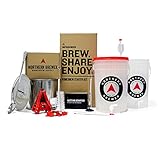
- Top Pick: Northern Brewer – Brew. Share. Enjoy. HomeBrewing Starter Set, Equipment and Recipe for 5 Gallon Batches (Hank's Hefeweizen)
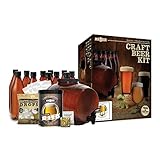
- Best Value: Mr. Beer – Craft Beer Making Kit (2 Gallon) Complete DIY Home Brew Set | Beer Making Kit for Beginners Everything Included | Reusable 25 oz Bottles | 2 Gallon Keg | Golden Ale
- Premium Choice: Mr. Beer – Craft Beer Making Kit 4 Gallon Complete DIY Home Brew Set Everything Included, Bottles, Refills Brew in 30 Minutes
Most beginners quit homebrewing for the same two reasons: the first batch tastes off because fermentation temperature and sanitation were hard to control, and the equipment turns out to be incomplete, flimsy, or sized wrong for their kitchen. A good starter kit solves both problems together. It gives you a fermenter that actually seals, a reliable airlock and siphon, a hydrometer you can read without guessing, and a recipe with pre-measured ingredients that forgives small mistakes while you learn the process.
The difference between a kit you will use again and one that collects dust comes down to execution details. Look for clear, step-by-step instructions written for first-timers, components that clean up easily and can be reused for batch two, and a batch size that matches how much you want to drink and store. Small one-gallon kits are great for learning and experimenting on a stovetop, while larger two to five gallon systems make more beer per brew day but need more space, more bottles, and more patience during fermentation and conditioning.
As an Amazon Associate we earn from qualifying purchases at no extra cost to you.


Quick Picks
| Product | Best for | Price |
|---|---|---|
| Northern Brewer Brew. Share. Enjoy. Hank’s Hefeweizen | Best Overall 5-Gallon Experience | $155.99 |
| Mr. Beer 2-Gallon Golden Ale | Easiest Small-Batch Start | $59.95 |
| Mr. Beer 4-Gallon Kit | Best Value Larger Small-Batch | $59.99 |
| Craft A Brew American Pale Ale 1-Gallon | Best 1-Gallon Craft Starter | $54.95 |
| HIVEVINE Wine & Mead Kit | Best for Wine and Mead Crossover | $89.99 |
| Craft A Brew Oktoberfest Ale 1-Gallon | Best for Malt-Forward Styles | $54.95 |
| Northern Brewer Chinook IPA 5-Gal | Best for Hop-Forward Beginners | $164.99 |
| Northern Brewer Essential Block Party Amber | Best Essential 5-Gallon Value | $109.99 |
How We Picked
We focused on what actually determines success for a first batch: completeness of equipment so you are not making extra purchases mid-brew, clarity and accuracy of instructions for cleaning, sanitizing, brewing, fermenting, and bottling, materials that hold up for multiple batches, and batch size versus effort so the kit fits real kitchens and real schedules. We also weighed recipe quality and flexibility, favoring kits that include a balanced, beginner-friendly recipe but leave you with reusable gear you can keep using with different refills.
The 8 Best Home Beer Brewing Kits For Beginners in 2026
1. Northern Brewer Brew. Share. Enjoy. HomeBrewing Starter Set – Hank’s Hefeweizen (5 Gallon)
This is the full-size starter for beginners who want to learn the traditional five gallon workflow from day one. Built around Hank’s Hefeweizen, it includes proper fermenting equipment and a recipe designed to be approachable while still showing classic wheat-beer character. If you have space for a large fermenter and want enough finished beer to share, this setup feels serious without being intimidating, and the components are meant to be reused as you move to other styles.
- Pro: Complete five gallon equipment set that transitions cleanly to future batches and recipes
- Pro: Beginner-friendly wheat recipe that is forgiving and rewarding for a first brew
- Con: Large batch requires more storage space, more bottles, and more lifting and cleaning than small kits
Skip it if you live in a small apartment, lack a large pot or storage area, or prefer to test the hobby with a very small stovetop batch first.
2. Mr. Beer 2-Gallon Golden Ale Kit
Made for absolute beginners who want a low-stress first ferment, this two gallon system centers on simplicity and speed. The compact keg fermenter, reusable bottles, and Golden Ale refill keep the process contained to a countertop, and the instructions walk you through brewing with minimal extra equipment. It is ideal if you want to see the full cycle from brew to carbonation without committing to a full garage setup, and the smaller volume means less heavy lifting and easier bottling.
- Pro: Extremely approachable format with keg fermenter and reusable bottles included
- Pro: Small two gallon batch is easy to manage, store, and chill in a typical kitchen
- Con: Limited capacity and plastic keg feel less like traditional brewing gear if you plan to scale up quickly
Skip it if you already know you want to brew five gallon all-grain style batches or want glass fermenters and more hands-on equipment from the start.
3. Mr. Beer 4-Gallon Kit
This kit keeps the same beginner-friendly Mr. Beer approach but doubles the volume to four gallons, which is a smart middle ground. You still get an everything-included setup designed to have you brewing quickly, with bottles and refills in the box so there is no extra shopping trip. For households that want more finished beer per effort without jumping to a full five gallon rig, it balances convenience, price, and yield better than most compact systems.
- Pro: Larger output than the two gallon kit while keeping the simple brew-in-minutes workflow
- Pro: Includes bottles and refills, so you can complete fermentation and packaging with what is in the box
- Con: Still built around the proprietary keg system, which limits how much traditional technique you learn
Skip it if you want a classic glass carboy or bucket fermenter experience or you plan to move immediately to more advanced methods.
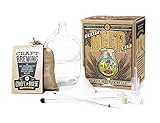
4. Craft A Brew American Pale Ale – 1 Gallon
Perfect for curious beginners who want a true small-batch craft experience on the stovetop. This one gallon kit includes complete equipment and supplies scaled to a single gallon, so you can boil, ferment, and bottle without a large kettle or dedicated space. The American Pale Ale recipe leans hop-accented and aromatic but remains balanced for a first timer, making it a great way to learn sanitation, fermentation, and patience on a manageable scale before scaling up.
- Pro: Compact one gallon size is ideal for apartments, easy storage, and experimental brewing
- Pro: Complete equipment and supplies with a well-balanced, widely liked pale ale recipe
- Con: Very small yield means you will be brewing again soon if you want to share with friends
Skip it if you want a large party-sized batch from your first brew day or prefer to avoid frequent repeat brews.
5. HIVEVINE Wine Making & Mead Making Kit
While not a beer-only kit, this is the best crossover pick for beginners who are interested in fermentation generally and want gear that also handles wine and mead. It includes a glass carboy, fermenter, hydrometer, siphon, airlock, and other core tools that teach proper technique and measurement. If your interest extends beyond beer or you want glass and more traditional instruments from the start, this equipment-focused set builds strong fundamentals you can apply to any fermented beverage.
- Pro: Includes glass carboy and essential instruments like hydrometer and siphon for learning real technique
- Pro: Versatile for wine, mead, and other fermentation projects beyond beer
- Con: Not beer-recipe focused, so you will need to source a beer recipe and additional beer-specific ingredients separately
Skip it if you want a beer kit that comes with a beer recipe and beer-oriented instructions in the box.
6. Craft A Brew Oktoberfest Ale – 1 Gallon
Similar in format to its American Pale Ale sibling, this one gallon kit trades hop brightness for smooth, malt-forward character. The equipment is the same compact, complete setup that is easy to use on a kitchen stove, but the Oktoberfest Ale recipe emphasizes toasty malt and clean drinkability. It is a great choice for beginners who prefer balanced, malty styles over hoppy ones and want to learn fermentation control while brewing something sessionable.
- Pro: Same excellent small-batch equipment quality, tailored to fans of malty, smooth ales
- Pro: Low footprint and straightforward process that is friendly to first-time brewers
- Con: One gallon yield is modest, so it is more about learning than stocking a fridge
Skip it if you love hop-driven flavor and would rather start with a pale ale or IPA profile.
7. Northern Brewer Homebrewing Starter Kit – Chinook IPA (5 Gal)
For beginners who know they love hops, this five gallon Chinook IPA kit delivers a full-scale brew day with equipment you will keep for years. You get the same solid Northern Brewer hardware as the other five gallon sets, paired with a hop-forward recipe that showcases citrus and pine character while still being structured for newcomers. It is the most ambitious flavor profile in this roundup, but the instructions keep it accessible, and the large batch rewards you with plenty to taste as it conditions.
- Pro: Full five gallon system with durable, reusable equipment for long-term brewing
- Pro: Chinook IPA recipe offers bold hop flavor that stands out for beginners who like IPA styles
- Con: Highest price in this group and requires the most space and bottles
Skip it if you are unsure about hoppy styles, sensitive to bitter notes, or not ready for large-volume fermenting and bottling.
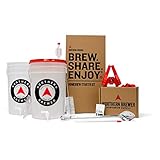
8. Northern Brewer Essential Brew. Share. Enjoy. – Block Party Amber (5 Gallon)
This Essential set trims the package to the core five gallon essentials while keeping a very drinkable Block Party Amber recipe. It is the most affordable way to get into true five gallon brewing with Northern Brewer equipment, without paying for extras you may not need on day one. The amber style is smooth and caramel-tinged, widely appealing, and forgiving during fermentation, which makes it a confidence builder for a first big batch.
- Pro: Best value entry to five gallon brewing with essential, reusable gear
- Pro: Amber ale recipe is approachable, balanced, and crowd-pleasing for sharing
- Con: More stripped-down than the flagship sets, so you may add accessories sooner as you continue
Skip it if you want the most complete out-of-the-box bundle or prefer a smaller batch for your first attempt.
Buying Guide
Batch Size and Space
Batch size dictates everything else: kettle size, fermenter footprint, how many bottles you need to clean and store, and how long you will be drinking one recipe. One gallon kits fit on any stove and in any closet, and they let you experiment often with low risk. Two to four gallon kits increase yield without demanding a full brewing corner, while five gallon systems are the standard for traditional homebrewing and give you the best cost per bottle over time, but they need a large fermenter, a bigger pot, and room to store cases while beer conditions. Choose based on your kitchen and how often you want to brew, not just maximum volume.
Equipment Quality and Completeness
Look closely at what is actually in the box and what it is made of. Beginners do best with kits that include a true fermenter with airlock, a siphon and tubing, a hydrometer, sanitizer, and clear bottling gear, so you are not improvising on brew day. Glass carboys let you watch fermentation and resist scratches that can harbor bacteria, while sturdy plastic buckets and kegs are lighter and easier to handle. Reusability matters more than extras; a simple, durable set you can sanitize and reuse for your next recipe is worth more than novelty add-ins you will only use once.
Recipe Style and Learning Curve
The included recipe sets the flavor of your first success, so pick a style you actually enjoy drinking. Wheat and amber ales tend to be forgiving and showcase malt and yeast character with moderate bitterness. Pale ales add hop aroma without overwhelming a new palate, while IPAs highlight hops and bitterness more aggressively. Check that instructions explain not just steps but why they matter, such as why thorough sanitizing, steady fermentation temperature, and patient conditioning time improve flavor. A kit that teaches good habits now will make every future batch better, regardless of style.
Our Verdict
For most beginners who want the classic homebrewing experience and gear they will reuse for years, the Northern Brewer Brew. Share. Enjoy. Hank’s Hefeweizen five gallon set is the top pick. It pairs proven equipment with a friendly, flavorful recipe that builds confidence while teaching proper technique at full scale. If budget or space is tight, the Craft A Brew American Pale Ale one gallon kit is the best budget pick, offering complete, quality gear and a great stovetop learning experience at a low entry price. Choose the Mr. Beer four gallon kit when you want the absolute simplest workflow with more finished beer than a one gallon batch but without the footprint and complexity of a full five gallon setup.
FAQ
Do I need any extra equipment beyond what comes in these kits?
Most kits here are designed to be complete for a first batch, but you will still need a large pot for five gallon kits and basic kitchen items like a stirring spoon and cleaning supplies. One gallon and Mr. Beer kits are the most self-contained for small kitchens. Always check the instruction sheet for any kettle size recommendation before you start.
How long does a beginner batch take from brew day to drinking?
Active brewing takes a relatively short hands-on session, while fermentation and carbonation take several weeks of mostly waiting. Time varies by style and temperature, but a beginner ale typically ferments for a week or two and then conditions in bottles for another couple weeks to develop carbonation and smooth out flavor.
Is a one gallon kit worth it if I want to share with friends?
Yes for learning, but expect a modest yield that is best seen as a test batch rather than a party supply. Many beginners start with one gallon to practice sanitation and fermentation, then reuse the equipment for additional batches or step up to a larger fermenter once they are comfortable.
What is the hardest part for beginners to get right?
Consistent sanitation and stable fermentation temperature have the biggest impact on flavor. Clean and sanitize everything that touches wort or beer after the boil, keep the fermenter away from swings in heat and light, and resist opening it unnecessarily. Good habits in those two areas prevent most off flavors.
Write Your Review
No reviews yet. Be the first to share your experience!