
To make homemade grenadine, combine 2 cups (480 ml) unsweetened pomegranate juice with 2 cups (400 g) granulated sugar, warm until the sugar dissolves, then cool and refrigerate the syrup in a clean bottle.
Basic Homemade Grenadine Recipe
This 1:1 juice-to-sugar recipe produces a pourable, cocktail-friendly grenadine with bright pomegranate flavor. It is sweeter and thinner than a rich syrup, making it suitable for Shirley Temples, Tequila Sunrises, Jack Roses, mocktails, desserts, and iced drinks.

Grenadine Syrup for Cocktails, Made with Real Cane Sugar | 32oz, 3 Pack
Included for 'How to Make Homemade Grenadine' because the listing specifies Made with Real Cane Sugar and 32oz, details this guide uses to compare options.
View on Amazon- 2 cups (480 ml) unsweetened pomegranate juice
- 2 cups (400 g) white granulated sugar
- 1 tablespoon (15 ml) fresh lemon juice, optional
- 1 teaspoon orange flower water or 1 teaspoon rose water, optional
- 1 small strip of orange peel, optional
Equipment
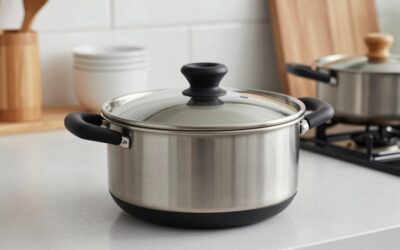
- Small saucepan
- Heatproof spoon or spatula
- Fine-mesh strainer, if using citrus peel or spices
- Clean glass bottle or jar with a tight-fitting lid
- Funnel and measuring cup for filling the bottle
How to Make Homemade Grenadine Step by Step
1. Measure the juice and sugar precisely
For reliable results, measure the pomegranate juice by volume and the sugar by weight when possible. Two cups of granulated sugar usually weighs about 400 grams, but volume can vary slightly depending on how it is scooped. The table below shows how the main ratios change the finished syrup.
| Style | Pomegranate juice | Sugar | Approximate yield | Best use |
|---|---|---|---|---|
| Light, tart syrup | 2 cups (480 ml) | 1 1/2 cups (300 g) | About 600 ml | Less-sweet mocktails and drizzling |
| Standard grenadine | 2 cups (480 ml) | 2 cups (400 g) | About 650 ml | Most cocktails and sodas |
| Rich grenadine | 2 cups (480 ml) | 2 1/2 cups (500 g) | About 750 ml | Small quantities, dessert sauces, longer keeping quality |
The standard version is the most versatile starting point. A richer syrup costs slightly more in sugar and pours more slowly, but a teaspoon or two can provide the same sweetness as a larger measure of standard grenadine.
2. Warm the juice gently
Pour the pomegranate juice into a saucepan and heat it over low to medium-low heat. Do not boil it. Excessive heat can dull the fruit’s fresh flavor and may make the syrup taste cooked. Warm the juice until it is hot but not bubbling, generally around 140–160°F (60–71°C).
3. Dissolve the sugar
Add the sugar gradually, stirring until no grains remain on the bottom or sides of the pan. This normally takes 3–6 minutes. Keep the syrup below a simmer and avoid reducing it unless you specifically want a thicker, more concentrated result.
For a less sweet grenadine, use the light ratio in the table. Do not simply add extra juice after cooking, because that can thin the syrup unevenly and shorten its storage life.
4. Add optional flavorings
Remove the pan from the heat before adding delicate flavorings. Lemon juice adds acidity and helps balance the sugar. Orange flower water gives a floral aroma, while rose water creates a more perfumed style. Start with a small amount: these ingredients can dominate the pomegranate quickly.
For an orange variation, add one thin strip of orange peel while the juice warms, steep it for 5–10 minutes, and remove it before bottling. Avoid the white pith, which can add bitterness. You can also steep one small cinnamon stick for a warmer, spiced version, but strain it out completely.
5. Cool, strain, and bottle
Let the syrup cool for 15–20 minutes. If you used peel, spices, or sediment-prone juice, strain it through a fine-mesh strainer. Pour the grenadine into a clean, dry glass bottle or jar using a funnel, leaving a little headspace rather than filling it to the rim.
Close the container and refrigerate it promptly. Label it with the preparation date and the ratio used. A narrow-neck bottle reduces exposure to air during pouring, while a wide-mouth jar is easier to clean and works better for thicker rich grenadine.
Choosing the Right Ratio for Your Use
The best formula depends on how you plan to use the syrup, not just how sweet you prefer your drinks.
- Occasional home cocktails: Use the standard 1:1 recipe. It is easy to measure and works in most recipes that call for grenadine.
- Low-sugar drinks: Use 2 cups of juice with 1 1/2 cups of sugar, then add the syrup gradually because it will have a brighter, sharper flavor.
- Frequent cocktail making: Use the rich ratio of 2 cups juice to 2 1/2 cups sugar. The denser texture gives drinks more body and reduces the volume needed per serving.
- Mocktails and children’s drinks: Use the standard recipe without alcohol-based flavor additions. Add a small amount of lemon juice if the soda or mixer is very sweet.
- Desserts and baking: Choose the rich version for a concentrated topping, or reduce standard grenadine over low heat after the sugar has dissolved.
Worked Yield and Cost Calculation
The standard recipe begins with 480 ml of juice and approximately 400 g of sugar. Sugar dissolves into the liquid, so the finished volume is not simply the two ingredients added together; expect roughly 600–700 ml depending on heating and evaporation. At a 15 ml tablespoon per drink, a 650 ml batch provides about 43 servings.
For example, if the juice costs $5–$9 and the sugar costs about $1–$2 for the amount used, the batch costs approximately $6–$11 before optional flavorings. That works out to roughly $0.14–$0.26 per 15 ml serving. Your actual cost will depend on the juice and whether you buy pomegranate juice by the bottle or make it from fresh fruit.
Storage and Shelf-Life Guidance
Homemade grenadine does not contain the preservatives commonly used in some commercial syrups. Keep it refrigerated at 40°F (4°C) or below, and use a clean spoon or pour spout each time. For the standard recipe, plan to use it within 3–4 weeks. A rich, high-sugar syrup may remain usable for about 4–6 weeks when handled carefully, but sugar concentration alone does not guarantee safety.
For the most cautious approach, make a smaller batch if you use grenadine infrequently. You can also freeze it in small, sealed portions for up to about 3 months. Leave expansion space in each container, thaw it in the refrigerator, and do not refreeze it after thawing.
Discard the syrup if you notice mold, fermentation bubbles, pressure in the bottle, an alcoholic or yeasty smell, unusual cloudiness, or a flavor that seems wrong. Do not taste a visibly moldy or fermenting batch to decide whether it is acceptable.
Cleaning and Bottling Practices That Matter
The syrup itself is simple; contamination during storage is the more common ownership problem. Wash the bottle, lid, funnel, and utensils with hot soapy water, rinse well, and allow them to dry completely before filling. A dishwasher-clean glass container is convenient, but it should still be free of detergent residue and standing water.
Do not return unused grenadine from a serving glass to the bottle. Sticky residue around the cap can also harbor mold, so wipe the neck and lid after each use. Glass is preferable to soft plastic for long storage because it is less likely to retain fragrance from previous contents and is easier to clean thoroughly.
Common Mistakes to Avoid
- Boiling the syrup: This can create cooked flavors and excessive evaporation. Warm it only until the sugar dissolves.
- Using sweetened juice: Pre-sweetened juice makes the final ratio unpredictable. Choose unsweetened pomegranate juice and control the sugar yourself.
- Adding too much floral water: Begin with 1/2 teaspoon, taste after cooling, and add more only if needed.
- Bottling while extremely hot: Sudden temperature changes can damage some glass containers. Cool the syrup briefly and use a heat-safe bottle.
- Storing at room temperature: Homemade syrup lacks the controlled acidity and preservatives of many shelf-stable commercial products.
- Confusing grenadine with pomegranate molasses: Molasses is much more concentrated, acidic, and tart. It is not a direct substitute at the same volume.
How to Use Homemade Grenadine
Start with 1–2 teaspoons in a glass of sparkling water, lemonade, iced tea, or a mocktail, then adjust to taste. In cocktails, begin with 1/4–1/2 ounce (7–15 ml), since the syrup contributes both sweetness and color. A standard batch is usually enough for dozens of drinks, so the 1:1 formula is the practical choice for most home kitchens.
For the best flavor, shake or stir the bottle gently before pouring, especially if you added citrus oils or natural sediment. Homemade grenadine should taste primarily of pomegranate, with sweetness supporting the fruit rather than masking it.







Write Your Review
No reviews yet. Be the first to share your experience!