
A dull knife is the most common reason home cooks feel like they are bad at cooking. Tomatoes squash instead of slice, onions crush, and the extra pressure you apply is exactly how fingers get nicked. Picking the best sharpener for knives sounds like a gadget decision, yet it is really a choice between three very different habits: pulling a blade through a pocket-sized tool in ten seconds, rolling a guided system across the edge, or plugging in an electric machine that does the grinding for you.
- Quick Picks
- How to Choose
- The 8 Best Options
- Which One Fits Your Situation
- Common Mistakes
- Specs and Terms Explained
- A Simple Sharpening Routine
- Which Knives to Keep Away From Pull-Through Tools
- Who Should Skip Each Type
- Troubleshooting Common Sharpening Problems
- Safety Notes
- Related guides
- Frequently Asked Questions
This guide is for anyone staring at a drawer of tired kitchen knives and wondering whether a manual pull-through, a multi-stage rolling kit or an electric unit is the right fit in 2026. Eight distinct sharpeners are compared using only the facts printed in their product titles, such as the number of stages, the abrasive material, whether serrated edges are supported and how the base or handle is built. The goal is to help you match a tool to your knives and your patience, not to crown a single universal winner.
Quick Picks
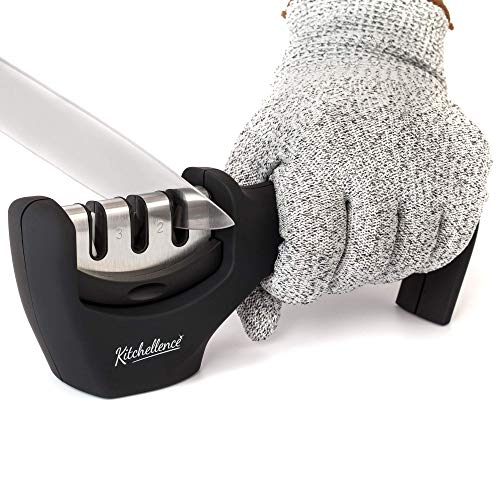
4-in-1 Kitchen Knife Accessories: 3-Stage Knife Sharpener Helps Repair, Restore, Polish Blades and Cut-Resistant Glove (Black)
Included for '8 Best Sharpener for Knives (October 2026)' as a representative gaming product in this roundup; selection reflects the product set returned for this topic.
View on Amazon
AccuSharp Knife Sharpener, Ergonomic Comfortable Handle, Compact & Easy to Use, Restore and Hone Straight & Serrated Knives, White
Included for '8 Best Sharpener for Knives (October 2026)' as a representative gaming product in this roundup; selection reflects the product set returned for this topic.
View on Amazon
AIERLIAN Knife Sharpener Tool, Rolling Knife Sharpener Kit, Knife Sharpening with Diamonds and Ceramic for Steel of Any Hardness, Kitchen knife Sharpener with 15 & 20 Degree Magnetic Angle(Brown)
Included for '8 Best Sharpener for Knives (October 2026)' as a representative gaming product in this roundup; selection reflects the product set returned for this topic.
View on Amazon
Chef’sChoice 15XV EdgeSelect Professional Electric Knife Sharpener with 100-Percent Diamond Abrasives and Precision Angle Guides for Straight Edge and Serrated Knives, 3-Stage, Gray
Included for '8 Best Sharpener for Knives (October 2026)' as a representative gaming product in this roundup; selection reflects the product set returned for this topic.
View on Amazon
Longzon 5-in-1 Kitchen Knife Accessories 4 Stage Knife Sharpener and Cut-Resistant Glove, Quickly Sharpens Restores Dull Blades, Easy & Safe Home Manual Use, Fits Most Knives & Scissors, Black+Silver
Included for '8 Best Sharpener for Knives (October 2026)' as a representative gaming product in this roundup; selection reflects the product set returned for this topic.
View on Amazon
SHARPAL 191H Knife Scissors Sharpener | Repairs, Restores & Sharpens, Straight, Serrated & Kitchen Knives, Versatile Sharpening Tool for Blades, Gifts for Home Cooks
Included for '8 Best Sharpener for Knives (October 2026)' as a representative gaming product in this roundup; selection reflects the product set returned for this topic.
View on Amazon
5-in-1 Croco Dial Knife Sharpener for Straight & Serrated Knives | 5-in-1 rotating sharpening system with tungsten carbide and ceramic restores, repairs, polishes, and sharpens blades.
Included for '8 Best Sharpener for Knives (October 2026)' as a representative gaming product in this roundup; selection reflects the product set returned for this topic.
View on Amazon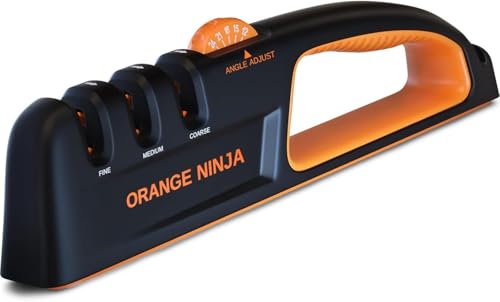
5 Precision Adjust Knife Sharpener- 3-Stage Premium Kitchen Knife Sharpener | Manual Knife Sharpening with Adjustable Angles by Sharp Pebble – Repair, Restore & Polish Any Dull Blade in Minutes
Included for '8 Best Sharpener for Knives (October 2026)' as a representative gaming product in this roundup; selection reflects the product set returned for this topic.
View on Amazon| Product | Best for | Key spec from the title |
|---|---|---|
| AccuSharp Knife Sharpener | Quick, simple touch-ups | Compact, ergonomic handle, straight and serrated |
| AIERLIAN Rolling Sharpener Kit | Guided sharpening with a rolling system | Diamond and ceramic, steel of any hardness |
| Chef’sChoice 15XV EdgeSelect | Cooks who want an electric machine | 100-percent diamond abrasives, precision angle guides |
| Longzon 5-in-1 | Bundle buyers who want a glove included | 4-stage sharpener plus cut-resistant glove |
| SHARPAL 191H | Kitchens that also need scissors sharpened | Knife and scissors sharpener, straight and serrated |
| Croco Dial 5-in-1 | Tinkerers who like rotating stages | Tungsten carbide and ceramic, rotating system |
| Sharp Pebble 5 Precision Adjust | Users who want to set the angle | 3-stage manual sharpener with adjustable angles |
| KitchenIQ 50009 Edge Grip | Compact drawers and stable use | 2-stage coarse and fine, non-slip base |
How to Choose
Decide between pull-through, rolling and electric
Pull-through sharpeners, which include the AccuSharp, KitchenIQ and Longzon style, are the fastest to learn: you draw the blade through a slot with fixed guides. Rolling and dial systems offer more control, since you work the edge against several abrasive surfaces. Electric machines such as the Chef’sChoice remove most of the guesswork but take counter or drawer space and need an outlet. If you sharpen twice a year, simple wins; if you maintain a set of favorites monthly, a staged system pays off.
Look at the abrasive and the stages
Titles list tungsten carbide, ceramic and diamond abrasives. Carbide and coarse stages remove metal quickly to restore a damaged edge; ceramic and fine stages polish and refine it. A tool with both a coarse and a fine step, as the KitchenIQ advertises, can repair and finish in one pass sequence. More stages do not automatically mean better results, but a missing fine stage often leaves a rough, toothy edge that dulls quickly.
Check edge types and knife compatibility
Many titles mention straight and serrated edges; confirm that is what you own. Scissors support, as on the SHARPAL, is a bonus if the kitchen shears are dull. Adjustable angle control, as on the Sharp Pebble, matters when you own both thinner Japanese-style blades and sturdier Western knives, because a single fixed angle is a compromise for one of them.
Think about stability, safety and storage
A non-slip base and soft-grip handle make a difference when your hands are wet or tired. Cut-resistant gloves, bundled in some kits, are an extra safety layer for beginners. Budget sharpeners often cut corners on grip, base stability and stage quality. Measure the drawer: compact units tuck away easily, while electric machines are better treated as appliances that live on a shelf.
The 8 Best Options
AccuSharp Knife Sharpener
The AccuSharp is described as compact, easy to use and fitted with an ergonomic handle, and it is meant to restore and hone both straight and serrated knives. It fits cooks who want a no-learning-curve tool kept in a drawer.
- Strength: Compact form makes it easy to store and grab for quick touch-ups.
- Strength: The title states it handles straight and serrated edges.
- Trade-off: A single simple tool offers less control than a multi-stage or adjustable-angle system.
Skip it if you own specialty blades with particular angle needs or want a polished, refined finish from several graded stages. It makes the most sense as the sharpener a household keeps by the knife drawer for weekly maintenance, not as the tool for rescuing a badly chipped edge.
AIERLIAN Rolling Knife Sharpener Kit
AIERLIAN markets a rolling kit with diamonds and ceramic, claiming it works on steel of any hardness. The rolling design suits users who prefer working the edge deliberately rather than yanking through a slot.
- Strength: Diamond and ceramic abrasives cover both aggressive restoration and finishing.
- Strength: The any-hardness claim is useful if your set mixes softer and harder steels.
- Trade-off: Rolling systems take more time and attention than a pull-through slot.
Skip it if you want a ten-second fix or do not enjoy setting up a kit each time you sharpen. It rewards patience, so it suits someone who treats knife care as a small ritual rather than a chore squeezed in before guests arrive.
Chef’sChoice 15XV EdgeSelect Professional Electric Knife Sharpener
This is the only electric machine in the group, built around 100-percent diamond abrasives and precision angle guides for straight-edge knives. It suits cooks who would rather let a machine hold the angle.
- Strength: Diamond abrasives and angle guides take the guesswork out of consistent results.
- Strength: Professional positioning in the title signals a more serious tool than pocket sharpeners.
- Trade-off: It needs an outlet and shelf or counter space, so it is not a drawer item.
Skip it if you only own a couple of knives, travel with your tools, or prefer a purely manual method. It also asks for a permanent home on a shelf or counter, which matters in a small kitchen where every inch is already spoken for.
Longzon 5-in-1 Kitchen Knife Accessories Sharpener and Glove
Longzon bundles a four-stage knife sharpener with a cut-resistant glove, pitching a quick, safe way to restore dull blades at home. The multi-stage layout goes beyond a simple two-slot design.
- Strength: Four stages let you move from repair toward polish in one tool.
- Strength: The included glove adds a safety element for newer sharpeners.
- Trade-off: Bundled extras can distract from the quality of the sharpening stages themselves.
Skip it if you already own protective gloves and want to spend only on sharpening performance. It is better matched to a first-time buyer who wants everything in one bundle than to a veteran who already has a preferred routine.
SHARPAL 191H Knife and Scissors Sharpener
SHARPAL positions the 191H as a versatile tool that repairs, restores and sharpens straight, serrated and kitchen knives, with scissors in the mix too. It is a practical choice for households with several blade types.
- Strength: Scissors support covers a tool most drawers neglect.
- Strength: The title lists straight, serrated and kitchen knives, so one tool covers many jobs.
- Trade-off: A do-it-all tool rarely matches a dedicated system in a single task.
Skip it if you want an electric machine or an adjustable-angle design for premium knives. It is at its best in a general household where knives, scissors and the odd paring blade all need the same quick refresh.
Croco Dial 5-in-1 Knife Sharpener
The Croco Dial uses a rotating sharpening system with tungsten carbide and ceramic, aimed at straight and serrated knives. The dial concept lets you switch stages deliberately.
- Strength: Tungsten carbide and ceramic combine coarse repair with refinement.
- Strength: The rotating five-in-one design keeps several functions in one body.
- Trade-off: More moving parts mean more to learn than a fixed-slot unit.
Skip it if you want the simplest possible pull-through experience. Anyone who dislikes reading a short setup guide before first use will likely find a fixed slot more comfortable.
Sharp Pebble 5 Precision Adjust Knife Sharpener
Sharp Pebble offers a three-stage manual sharpener with adjustable angles, billed as premium. The angle control is the standout feature for mixed knife collections.
- Strength: Adjustable angles help match different blade geometries.
- Strength: Three stages cover repair, sharpening and finishing.
- Trade-off: Adjustability adds a step and a learning curve compared with fixed guides.
Skip it if you want a set-and-forget tool for a single family knife set. Because the angle can be changed, it also invites mistakes if you forget which setting you used last time, so it works best for people who like to be deliberate.
KitchenIQ 50009 Edge Grip 2-Stage Knife Sharpener
The KitchenIQ combines coarse and fine stages with a stable non-slip base and soft-grip rubber handle in a compact body. It is the plain, drawer-friendly pick of the group.
- Strength: Coarse and fine stages let you repair and finish in a short routine.
- Strength: The non-slip base and soft grip improve stability while you pull.
- Trade-off: Two stages offer less refinement than a longer sequence.
Skip it if you want diamond abrasives or angle adjustment. The title does not list serrated support, so owners of bread knives with deep teeth should confirm that separately before relying on it.
Which One Fits Your Situation
You want the fastest fix before dinner
The AccuSharp or KitchenIQ gets a dull chef’s knife back in service quickly, and both are compact enough for a drawer.
You own a mix of expensive and everyday knives
The Sharp Pebble 5 Precision Adjust gives you angle control, so thinner blades and sturdier ones can each get a suitable edge.
You would rather not think about angles
The Chef’sChoice 15XV EdgeSelect handles the angle with guides and diamond abrasives, making it the hands-off option for people who value consistency.
You also have dull kitchen scissors
The SHARPAL 191H covers knives and scissors, and the Longzon bundle adds a glove if you are new to sharpening.
Common Mistakes
- Pressing too hard in a pull-through slot, which removes metal quickly and shortens blade life.
- Using a coarse stage on a knife that only needs a light refresh.
- Forgetting to check whether your knives are straight, serrated or both before buying.
- Skipping the fine or ceramic stage and leaving a rough edge that dulls fast.
- Sharpening an already wet, slippery sharpener on a smooth counter instead of using a stable base.
Specs and Terms Explained
Burr
When you grind one side of an edge, a thin lip of metal curls to the opposite side. That curl, called a burr, tells you the sharpening is working. Good technique raises and then removes it, which is why quick pull-through tools can leave a rough edge if overused.
Grit
Grit describes how coarse the abrasive is. Lower numbers remove more metal fast; higher numbers refine and polish. Multi-stage designs, such as the KitchenIQ 50009 Edge Grip 2-Stage, typically pair a coarse step with a finer one so you do not choose manually.
Edge angle
The angle at which the blade meets the abrasive determines how thin the edge ends up. Fixed-angle tools lock this in for you; adjustable systems, which the name of the Sharp Pebble 5 Precision Adjust suggests, let you choose, which suits thinner Japanese-style blades that prefer a narrower angle than typical Western knives.
A Simple Sharpening Routine
- Wash and dry the knife so no oil or grease interferes with the abrasive.
- Run the sharpener with light pressure; the tool should do the work.
- Finish with a few passes on the finest stage.
- Wipe the blade clean, since metal dust can stain cutting boards.
- Check the result by slicing a sheet of paper or a ripe tomato.
Which Knives to Keep Away From Pull-Through Tools
- Serrated knives: most flat-slot tools skip the teeth and can flatten them.
- Very hard, thin blades: aggressive carbide slots can chip them, so use gentler options.
- Ceramic knives: these need diamond abrasives, not steel or carbide.
- Heirloom blades: a quick tool removes a lot of metal; use a stone or professional service instead.
Who Should Skip Each Type
Pull-through tools like the AccuSharp are less suited to people who own several high-end blades. Rolling kits such as the AIERLIAN are slower and ask for patience, so they disappoint anyone wanting a ten-second fix. Electric models like the Chef’sChoice 15XV EdgeSelect Professional are built for faster, more consistent results but take counter space and need an outlet. Match the tool to your patience, your knives, and the room you have to store it.
Troubleshooting Common Sharpening Problems
The knife still feels dull
You may have rounded the tip or skipped the finer stage. Use a few more light passes on the finest slot, and avoid pressing hard, which tends to cause uneven grinding.
The edge feels rough or catches on food
A rough edge usually means the burr was not fully removed. A couple of very light finishing strokes, or a quick honing, generally smooths it out.
Metal dust or black residue on the blade
This is normal with abrasives. Rinse and dry the knife before using it, and wipe down the sharpener according to its instructions.
Scissors are not cutting cleanly
Combination tools such as the SHARPAL 191H Knife and Scissors Sharpener are built to handle scissors too. Open the blades fully and draw each one through separately, rather than closing the scissors in the slot, and keep the Longzon 5-in-1 Kitchen Knife Accessories Sharpener and Glove’s glove on whenever you work near the slots.
Safety Notes
Always keep both hands clear of the blade path, use the guard or glove if provided, and stop if the sharpener wobbles. A stable tool is a safer tool.
Related guides
- How To Use A Meat Thermometer Correctly Probe Placement And Temps
- How To Remove Odors And Stains From Silicone Kitchen Utensils
- Dishwasher Safe Egg Spatula For Nonstick Pans
Frequently Asked Questions
How often should I sharpen kitchen knives?
Home cooks usually sharpen a few times a year, with a light touch-up when slicing feels harder than usual. Frequent cooks may refresh edges monthly.
Are electric sharpeners better than manual ones?
They are more consistent because guides hold the angle, but they take space and need power. Manual tools are portable and give you more control if you are patient.
Can one sharpener handle serrated knives?
Several of these titles state that they handle straight and serrated edges. Check the listing for the exact serrated method, since serrated blades need different handling.
Do I need a cut-resistant glove?
It is optional but sensible for beginners. A glove adds protection while you learn the motion and keep your fingers clear of the blade.
Write Your Review
No reviews yet. Be the first to share your experience!