
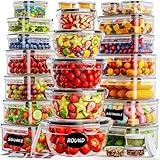
- Top Pick: Canfanni 40 Piece Food Storage Containers with Lids, BPA-Free
- Best Value: JSCARES 40 PCS Food Storage Containers with Lids Airtight (20 Lids &20 Containers) – Leakproof Meal-Prep Containers for Kitchen Storage Reusable Plastic Microwave/Dishwasher Safe with Labels & Pen
- Premium Choice: Rubbermaid EasyStore Large Containers, 18-Piece Set, Food Storage Containers with Lids
Disclosure: As an Amazon Associate we earn from qualifying purchases. We may receive a small commission when you buy through links on this page, at no extra cost to you. We only recommend products we genuinely believe offer value to home cooks.
If your fridge is a graveyard of mismatched tubs and lids that never seem to find their partner, the right set of food storage containers can fix the chaos. Good leftover containers seal tight to keep food fresh longer, stack neatly to reclaim shelf space, and survive the dishwasher, microwave, and freezer without warping or staining. Below are five sets worth your money, plus a buying guide that explains what actually matters when you are storing last night’s dinner.
As an Amazon Associate we earn from qualifying purchases at no extra cost to you.




Quick Comparison
| Rank | Product | Best For | Buy |
|---|---|---|---|
| 1 | Rubbermaid Brilliance Glass Set (9-Piece) | Reheating & oven-to-table | View on Amazon |
| 2 | Rubbermaid Brilliance 24-Piece Plastic Set | Big-batch meal prep | View on Amazon |
| 3 | Amazon Basics Airtight 10-Piece Square Set | Budget-friendly basics | View on Amazon |
| 4 | Rubbermaid Brilliance 20-Piece Set with Scoops | Pantry plus fridge duty | View on Amazon |
| 5 | Rubbermaid Brilliance Glass 3.2-Cup Set of 4 | Single-serving lunches | View on Amazon |
Top Picks
1. Rubbermaid Brilliance Glass Set (9-Piece)
Tempered glass bases shrug off stains and odors from tomato sauce or curry, and the leak-proof latching lids with built-in vents let you microwave without splatter. The clear glass makes it easy to see what is inside, and the bases are oven-safe, so you can store, reheat, and serve from the same dish.
2. Rubbermaid Brilliance 24-Piece Plastic Set
A wide range of sizes covers everything from a single portion of nuts to a full pasta bake. The crystal-clear Tritan plastic resists stains better than ordinary plastic, and the modular lids snap onto multiple base sizes so you spend less time hunting for matches.
3. Amazon Basics Airtight 10-Piece Square Set
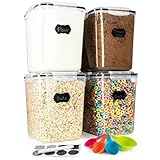
Twist-and-turn lids create an airtight seal that keeps cereal, rice, and leftovers fresh, and the square footprint uses pantry and fridge space efficiently. It is a low-cost way to standardize your storage without committing to a premium set.
4. Rubbermaid Brilliance 20-Piece Set with Scoops
This bundle mixes leftover-friendly sizes with taller canisters and includes scoops, making it equally at home holding flour and sugar or last night’s stew. The airtight lids and stackable shape keep both your pantry and fridge tidy.
5. Rubbermaid Brilliance Glass 3.2-Cup Set of 4
The 3.2-cup size is ideal for portioned lunches and smaller leftovers. Glass bases reheat evenly and never absorb smells, and the slim, uniform shape stacks cleanly so a row of them fits neatly on one shelf.
What to Look For in Leftover Containers
Start with the seal. A genuinely airtight, leak-proof lid is what keeps soup from sloshing in your bag and what slows the staling and drying that ruins leftovers. Latching lids with a silicone gasket seal best; simple snap lids are fine for dry storage but can leak with liquids.
Next, consider material. Glass resists stains and odors, reheats evenly, and is often oven-safe, but it is heavier and can chip. Plastic is light, shatter-resistant, and cheaper, though lower-grade plastic stains and retains smells. Look for BPA-free Tritan or similar if you go plastic.
Finally, think about stackability and lid storage. Containers that nest when empty and share lids across sizes save enormous cabinet space. A modular system you can expand later beats a one-off grab bag.
How to Choose the Right Size and Quantity
For a couple or a small household, a mixed set of small and medium containers covers most leftovers. If you batch-cook or meal-prep for the week, prioritize sets with several identical medium containers so portions stack uniformly in the fridge.
Avoid buying one giant set you will never fully use. It is better to standardize on one or two product lines that share lids, then add pieces as needed. That keeps your cabinet from turning back into a jumble of orphaned lids.
Care and Longevity Tips
Hand-wash gaskets and lids occasionally even if they are dishwasher-safe, since trapped moisture in the lid groove can harbor odors. To remove stains from plastic, a paste of baking soda and water or a short soak in diluted vinegar usually does the trick. Let containers cool before sealing hot food to prevent warping and condensation, and avoid stacking heavy items on glass lids in the cabinet.
Glass vs. Plastic: A Closer Comparison
The glass-versus-plastic debate comes down to your priorities. Glass wins on durability of finish: it does not absorb tomato or curry stains, never holds onto garlic or onion smells, and goes from fridge to oven to table. The trade-off is weight and the risk of chipping or cracking if dropped, plus a higher price per piece. It is the better long-term choice for saucy leftovers you reheat often.
Plastic wins on practicality for daily, on-the-go use. It is light enough to toss in a bag, will not shatter if it slips from a counter, and costs noticeably less, so a full set is affordable. Modern BPA-free Tritan resists staining far better than old-school plastic, though it still cannot match glass for odor resistance over years of use. Many households keep a core set of glass for home reheating and a stack of plastic for lunches and freezing, getting the best of both without overspending on either.
More Kitchen Guides to Explore
One organizer rarely fixes a whole kitchen. These related guides help you round out your prep area, drawers, and counters:
- How to Organize a Small Kitchen With Smart Gadgets
- Best Jar Openers for Stubborn Lids
- Best Mixing Bowl Sets (Nesting & Non-Slip)
- Best Measuring Jugs for Liquids
- Best Colanders & Strainers
- Kitchen Tool Essentials Every Cook Needs
- Must-Have Kitchen Gadgets for Home Cooks
Frequently Asked Questions
Are glass or plastic containers better for leftovers?
Glass resists stains and odors, reheats evenly, and is usually oven-safe, making it ideal for saucy or strongly flavored foods. Plastic is lighter, cheaper, and shatter-resistant, which is handy for lunches on the go. Many cooks keep both.
Can I put these containers in the microwave?
Most glass bases and BPA-free plastic bases are microwave-safe, but you should vent or remove the lid unless it has a built-in steam vent. Always check the manufacturer’s guidance printed on the base.
How do I stop lids from getting lost?
Choose a modular set where one lid fits several base sizes, and store lids upright in a dedicated organizer or bin rather than loose in a drawer. Standardizing on a single product line makes mismatches far less likely.
Are airtight containers worth it for leftovers?
Yes. An airtight seal slows the drying and oxidation that make leftovers taste stale, and it prevents leaks and odor transfer in the fridge. For liquids and prepped meals, a gasketed lid is well worth the small extra cost.
How long do leftovers last in sealed containers?
Most cooked leftovers keep three to four days refrigerated in a sealed container, though an airtight seal helps preserve texture and flavor over that window. For longer storage, freeze in freezer-safe containers and label the date.

Write Your Review
No reviews yet. Be the first to share your experience!