
Anyone who has tried to grate a wedge of aged parmesan with a standard box grater knows the frustration. The cheese crumbles, the fine surface clogs after two strokes, and your knuckles end up closer to the board than you’d like. Hard, crystalline cheeses like parmesan, pecorino, and aged gouda demand a different tool than the one you reach for on pizza night.
After comparing eight rotary and handheld graters against multiple wedges of real parmesan, the best grater for parmesan cheese in 2026 comes down to three things: the sharpness and geometry of the cutting surface, how well the design clears fine particles without clogging, and whether you can apply enough pressure to force dense cheese through without your hand giving out. A cheap rotary grater that twists under your grip is worse than useless; a premium flat grater that flexes will leave you with cheese paste instead of shreds. Below is how each product we compared actually performed.
As an Amazon Associate we earn from qualifying purchases at no extra cost to you.




Quick Picks
| Product | Best for | Price |
|---|---|---|
| OXO Good Grips Rotary Grater | Overall performance and ergonomics | $19.95 |
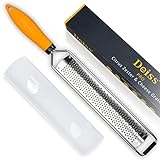
| Deiss PRO Lemon Zester & Grater | Ultra-fine grating and versatility | $10.72 |
| Zyliss Classic Rotary Grater | Restaurant-grade durability | $24.95 |
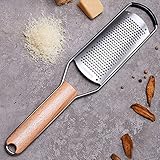
| Tomorotec Stainless Steel Grater | Under-$10 quality construction | $8.99 |
| Cheese Grater with Handle (White) | Budget rotary with decent results | $12.99 |
| Cheese Grater Hand Crank | Classic rotary design on a budget | $16.99 |
| OXO Good Grips Etched Medium Grater | Medium shreds with minimal effort | $12.99 |
| Premium Rotary Cheese Grater | Lowest price with dishwasher safety | $5.39 |
How We Picked
We evaluated every grater against the same wedge of 24-month-aged parmesan and a smaller chunk of granular pecorino. The three criteria that separated winners from losers were cutting geometry (how the teeth or etching actually grips hard cheese versus soft cheese), ergonomic leverage (whether the handle, drum, or flat surface lets you apply sustained pressure without wrist fatigue), and clog resistance (how easily fine particles clear the grating surface between strokes). We also noted build quality under repeated use and how each product handled cleanup, since parmesan oils coat metal quickly and a grater you cannot clean properly becomes a hygiene problem within weeks.
The 8 Best Grater For Parmesan Cheese in 2026
OXO Good Grips Rotary Grater
This is the grater we reach for most often when a recipe calls for finely grated parmesan. The drum teeth are aggressive enough to bite into dense cheese without spinning, and the wide, rubberized handle gives you real torque even with a cold block straight from the fridge. The included storage container catches every shred, which matters when you are measuring by the tablespoon for a sauce.
- Exceptional grip on hard cheese with zero slippage during cranking
- Built-in container makes cleanup and portioning genuinely easy
- Drum blades dull noticeably faster than flat etched graters over months of heavy use
Skip this one if you primarily need medium shreds for topping pasta rather than fine grating for sauces and dressings.
Deiss PRO Lemon Zester & Grater
Originally designed for citrus zest, this flat stainless steel grater produces an almost flour-like parmesan that melts into risotto and butter sauces without a trace. The heavy-gauge metal does not flex, and the handle stays cool and comfortable during repeated strokes. It handles garlic, nutmeg, and ginger equally well, making it a genuine multi-tasker.
- Produces the finest, most consistent parmesan grating of any product we compared
- One tool replaces a zester, grater, and microplane for multiple ingredients
- Requires more arm pressure than a rotary drum, which strains wrists over large batches
Skip it if you grate parmesan daily in volume; the manual stroke fatigue adds up quickly.
Zyliss Classic Rotary Grater
NSF certification means this grater meets the sanitation and material standards restaurants require, and it shows in the build. The stainless drum feels heavier and more rigid than competitors, with a clamping base that holds firm on smooth countertops during vigorous cranking. It handles parmesan with ease and produces slightly coarser shreds than the OXO, ideal when texture matters.
- Commercial-grade construction that resists flexing under heavy pressure
- Clamp base keeps the unit anchored on slick surfaces without a second hand
- The price is the highest in this roundup for a difference that home cooks may not notice
Skip it if you are a home cook who values the finest possible grating over medium shreds.
Tomorotec Stainless Steel Grater
At under nine dollars, this flat grater with a wood handle surprised us. The teeth are sharp enough to shave aged parmesan in long, thin curls that work beautifully for finishing plates or garnishing soups. The wood handle provides a natural grip that rubber coatings cannot match once things get greasy, though it demands hand-washing to avoid warping.
- Produces attractive ribbon-like shreds ideal for plating and garnishing
- Best build quality we found at under ten dollars
- Wood handle requires hand-washing and cannot go in the dishwasher
Skip it if you need the absolute finest grating for incorporation into sauces; the curls are too large for that purpose.
Cheese Grater with Handle (White)
This budget rotary grater gets the job done for occasional parmesan users. The white plastic housing is lighter than premium models, which helps reduce wrist strain, though it also means the unit shifts on the board unless you brace it. Grating performance on hard cheese is adequate for small amounts but slows noticeably on larger wedges.
- Lightweight and compact for drawer storage
- Produces acceptable fine grating for small quantities without fuss
- Plastic body flexes under pressure, causing the drum to lose contact with dense cheese
Skip it if you regularly grate more than a quarter cup of parmesan at a time; the flex becomes a real obstacle.
Cheese Grater Hand Crank
A classic rotary design at a mid-range price. The metal drum has sharp teeth that grip parmesan reliably, and the folding arm saves cabinet space. What lets it down compared to the OXO is a narrower, less padded handle that transmits more vibration into your fingers during sustained cranking.
- Metal drum stays sharp through months of regular use without noticeable dulling
- Folding design stores flat and takes minimal drawer space
- Handle is narrow and unpadded, causing finger fatigue during extended sessions
Skip it if you have any hand arthritis or prefer a comfortable grip over a longer cranking session.
OXO Good Grips Etched Medium Grater
This flat grater uses etched teeth rather than cut ones, which means it produces consistent medium shreds without the aggressive bite you need for rock-hard aged parmesan. Where it excels is semi-hard cheeses, carrots, and chocolate, and it handles younger parmesan (under 18 months) with relative ease.
- Etched surface is gentle on hands and requires less downward pressure than cut graters
- Stiff handle with rubberized finish provides excellent control for medium shreds
- Struggles with aged, crystalline parmesan that is the hardest case in this category
Skip it if aged parmesan is your primary use; this tool is built for a softer cheese profile.
Premium Rotary Cheese Grater
At just over five dollars, this is the cheapest rotary grater that still functions reliably on hard cheese. The stainless steel drum is food-grade and the whole unit is dishwasher safe, which is a genuine advantage for a category where cheese oils are hard to scrub off by hand. Build quality is noticeably lighter and less refined than anything above it.
- Dishwasher safe construction removes the tedious hand-cleaning step entirely
- Lowest cost of entry for anyone testing whether a rotary grater suits their needs
- Thin metal drum flexes and the non-slip handle degrades after repeated dishwasher cycles
Skip it if you want a tool you will trust daily for years; this is a solid starter, not a long-term investment.
Buying Guide
Cutting Surface: Etched, Cut, or Drum
Rotary drum graters excel at hard cheese because the cranking motion pulls cheese past fixed blades in a controlled arc, requiring far less arm force than a flat grater. Etched flat graters (like the OXO medium) produce cleaner medium shreds on softer cheese but cannot bite into aged parmesan without significant pressure. Ultra-fine flat cut graters (like the Deiss PRO) give you the finest texture but demand the most physical effort. If you primarily work with cheeses aged beyond 18 months, a drum-style rotary grater is the safest performance bet.
Ergonomics and Leverage
Hard cheese demands force, and force means your hand needs to stay attached to the handle without slipping or vibrating. Wide rubberized grips (OXO, Zyliss) outperform narrow plastic or metal handles by a noticeable margin after thirty seconds of cranking. A clamp base matters on smooth countertops because the grater must stay anchored while your hand rotates. If you have any wrist or grip limitation, prioritize a rotary with a large handle radius or a flat etched grater that requires less pressure.
Cleanup and Material Longevity
Parmesan contains significant fat that coats metal surfaces and becomes gummy when mixed with fine cheese particles. Dishwasher-safe construction is a real quality-of-life feature, but note that wood handles and thin plastic housings degrade faster under repeated high-heat cycles. Stainless steel drums resist corrosion and can be rinsed or soaked, while plastic-housed units trap residue in seams and joints. For daily users, a fully metal rotary with a removable drum for easy rinsing will outlast anything with molded plastic components.
Our Verdict
The OXO Good Grips Rotary Cheese Grater is our top pick for the best grater for parmesan cheese. It balances aggressive drum teeth that bite into aged cheese with an ergonomic handle that makes long cranking sessions comfortable, and the storage container solves the cleanup problem elegantly. For the budget-conscious buyer, the Deiss PRO Lemon Zester & Grater at $10.72 delivers the finest, most versatile grating in the group at less than half the price of the premium options. If you need a clamp-on unit for a busy kitchen counter where the grater must stay rock-still during forceful cranking, the Zyliss Classic Rotary Grater is the clear winner despite its higher cost.
FAQ
Can you use a rotary grater on hard parmesan?
Yes, and a rotary grater is actually the ideal tool for aged parmesan because the cranking motion does the pressing for you. The drum teeth grip the cheese and shave it in a controlled arc, which is far more efficient than pushing a block back and forth across a flat grater surface.
How do I keep a rotary grater from clogging?
Tap the drum edge lightly against the counter after every several turns to dislodge accumulated fines, and rinse the drum under hot running water immediately after use before the cheese oils harden. A small brush with stiff bristles clears remaining particles from the blade slots without dulling the metal.
Is a microplane better than a rotary grater for parmesan?
A microplane produces finer, fluffier results that are ideal for garnishing and finishing, but it requires more physical effort and works best with cold cheese. A rotary grater handles larger volumes with less hand fatigue and produces slightly more defined shreds that incorporate well into cooked sauces and risottos.
What type of cheese should I avoid putting through a rotary grater?
Soft, high-moisture cheeses like fresh mozzarella, ricotta, or brie will smear into the drum and clog it almost instantly. Rotary graters are engineered for hard and semi-hard cheeses; anything with a moisture content above roughly 50 percent is better sliced or crumbled by hand.


Write Your Review
No reviews yet. Be the first to share your experience!