
Disclosure: As an Amazon Associate we earn from qualifying purchases. We may receive a small commission when you buy through links on this page, at no extra cost to you. We only recommend products we genuinely believe offer value to home cooks.
As an Amazon Associate we earn from qualifying purchases at no extra cost to you.


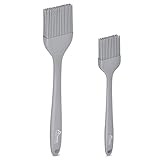

A pastry brush is the little tool that gives baked goods their bakery-shine: egg wash on a pie crust, butter on biscuits, glaze on a tart, or oil on a pan. The two main types, silicone and natural bristle, each have strengths, and many bakers keep both. This guide compares the best pastry brushes so you can apply washes and glazes evenly without shedding bristles or clumping.
Below you will find a comparison table, our detailed picks, and a buying guide covering silicone versus natural bristle, bristle density, and brush width. Whether you want one easy-clean silicone brush for everything or a delicate boar-bristle brush for fragile egg-washed pastries, there is a pick here to give your baking that finished, professional shine.
| Rank | Product | Best For | Buy |
|---|---|---|---|
| 1 | OXO Good Grips Silicone Basting & Pastry Brush | Easy-clean all-purpose use | View on Amazon |
| 2 | OXO Good Grips Natural Bristle Pastry Brush (1.5″) | Delicate egg wash and glaze | View on Amazon |
| 3 | Winco Boar Bristle Pastry Brush (1.5″) | Even glaze application | View on Amazon |
| 4 | OXO Good Grips Silicone Pastry Brush (Small) | Precision detail brushing | View on Amazon |
| 5 | OXO Silicone Pastry Brush (Small, 2-Pack) | Stocking a baking kit | View on Amazon |
Top Picks
1. OXO Good Grips Silicone Basting & Pastry Brush
Heat-resistant silicone bristles will not shed, clump, or hold odors, and the center-hole bristle design holds liquid for efficient brushing. It cleans up easily in the dishwasher, making it the most low-maintenance everyday choice.
2. OXO Good Grips Natural Bristle Pastry Brush (1.5″)
Soft natural boar bristles pick up and hold egg wash, glaze, and melted butter, and lay it down in a thin, even coat over delicate dough. The 1.5-inch width covers a large surface quickly, which silicone sometimes cannot match for delicacy.
3. Winco Boar Bristle Pastry Brush (1.5″)
A simple, inexpensive boar-bristle brush that spreads glazes more evenly than nylon. The dense bristles pick up the right amount of liquid, making it a quiet favorite in test kitchens for finishing baked goods.
4. OXO Good Grips Silicone Pastry Brush (Small)
The smaller silicone brush gives more control for detail work, brushing small pastries, or reaching into corners. Same easy-clean, odor-resistant silicone in a compact size that stores neatly.
5. OXO Silicone Pastry Brush (Small, 2-Pack)
A two-pack so you can keep one for sweet glazes and one for savory oils and butters, avoiding flavor crossover. A practical, affordable way to stock a baking kit.
Silicone vs. Natural Bristle: Which to Choose
Silicone brushes are easy to clean, dishwasher safe, heat-resistant, and never shed bristles into your food, but they can push thick liquids around rather than holding a fine coat. Natural boar-bristle brushes hold and lay down liquids in a more delicate, even layer, ideal for egg wash on fragile dough, but they need gentle hand-washing and can shed if cheaply made. Many bakers keep one of each for the best of both.
What to Look For in a Pastry Brush
For silicone, look for densely packed, fine bristles (often with a center-hole design) that hold liquid rather than scraping it off. For natural bristle, look for securely set boar bristles that resist shedding. A comfortable handle and a width that matches your typical task help: 1.5 inches covers large surfaces fast, while a smaller brush gives control for detail and small pastries.
Keeping Brushes Clean and Fresh
Silicone brushes go in the dishwasher and resist odors, which is why they are the safer choice for both sweet and savory jobs. Natural bristle brushes should be hand-washed in warm soapy water, rinsed well, and air-dried bristle-end down so water does not rot the base. Replacing a shedding or matted brush keeps stray bristles out of your food.
Everyday Jobs for a Pastry Brush
A pastry brush does more than glaze pie crust. Use it to paint melted butter over biscuits, dinner rolls, and corn on the cob, or to brush garlic butter onto bread before toasting. An egg wash applied with a brush gives breads, pastries, and empanadas their glossy, golden finish, while a milk or cream wash softens the shine for a more rustic look. A brush is the neatest way to coat a cake pan or muffin tin with butter or oil so nothing sticks, getting into the corners a paper towel misses. It also applies simple syrup to sponge cakes to keep them moist, spreads barbecue or teriyaki glaze onto smaller cuts of meat, and dusts excess flour off rolled dough. Keeping a small brush in your baking drawer means these finishing touches are always within reach, and they are often what separates a homemade bake from one that looks bakery-made.
Frequently Asked Questions
Is a silicone or natural bristle pastry brush better?
Silicone is easier to clean, dishwasher safe, and never sheds, while natural boar bristle lays down a finer, more delicate coat for egg wash on fragile dough. Many bakers keep one of each.
Do silicone pastry brushes work for egg wash?
Yes, though they apply a slightly thicker coat than natural bristle. A dense, fine-bristled silicone brush with a center-hole design holds enough liquid to glaze pastries evenly.
How do I clean a natural bristle pastry brush?
Hand-wash it in warm soapy water, rinse thoroughly, and dry it bristle-end down so water does not collect in the base. Avoid the dishwasher, which can loosen the bristles.
Why is my pastry brush shedding bristles?
Inexpensive natural-bristle brushes can shed if the bristles are poorly set, especially after repeated washing. A quality boar-bristle brush or a silicone brush solves the problem.
Can I use the same pastry brush for sweet and savory?
Silicone brushes resist odors and clean thoroughly, so they cross over well. For natural bristle, or to be safe, keeping one brush for sweet glazes and one for savory oils avoids flavor transfer.
Related Guides
- best citrus zesters and microplanes
- best oil sprayers and misters for the kitchen
- best silicone kitchen utensils (heat-safe, non-scratch)
- best dry measuring cups for accurate baking
- best kitchen tools and gadgets for gifts
- kitchen tool essentials every cook needs
- best heat-resistant kitchen utensils





Write Your Review
No reviews yet. Be the first to share your experience!