
- Top Pick: GDMINLO Soft Tape Measure Retractable Measuring for Body Fabric Sewing Tailor Cloth Knitting Craft Weight Loss Measurements Retractable Black Double Scales Rulers 1 Pack
- Best Value: FastCap ProCarpenter Standard Reverse Measuring Tape, 25-Foot
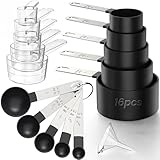
- Premium Choice: 16PCS Measuring Cups and Spoons Set, Measuring Spoon Set with Metric and US Measurements, Fits for Measuring Dry and Liquid – Black
Accurate measuring is the foundation of every successful recipe, yet it is where many beginner cooks stumble first. The good news is that a small, affordable set of measuring tools removes almost all the guesswork and sets you up for consistent results from day one. This 2026 guide covers the best measuring tools for beginners, chosen for accuracy, ease of use, and value.
We focused on the essentials a new cook actually needs, skipping specialty gear in favor of versatile picks. Master these basics and you will follow any recipe with confidence.
As an Amazon Associate we earn from qualifying purchases at no extra cost to you.




As an Amazon Associate I earn from qualifying purchases.
Comparing the Best Measuring Tools for Beginners in 2026
Here is a quick comparison of each beginner measuring tool. Skim the table to see what belongs in your starter kit, then read the detailed reviews below.
| Product | Best For | Standout Feature | Rating |
|---|---|---|---|
| OXO Digital Kitchen Scale | Weighing accuracy | Pull-out display | 4.8/5 |
| Pyrex Glass Measuring Cup | Liquids | Easy-read markings | 4.9/5 |
| Stainless Measuring Cup Set | Dry ingredients | Nesting design | 4.7/5 |
| KitchenAid Measuring Spoons | Small amounts | Magnetic storage | 4.6/5 |
| ThermoPro Instant Thermometer | Doneness | Fast readout | 4.8/5 |
Why Beginners Need Good Measuring Tools
Recipes assume you can measure accurately, and small errors compound quickly, especially in baking. The right measuring tools give beginners repeatable results, so a recipe that works once works every time. They also build confidence to experiment later. If you are stocking a first kitchen, our guide to kitchen essentials lists these tools among the true must-haves.
OXO Digital Scale as a Beginner Measuring Tool
A digital scale is the single most valuable measuring tool a beginner can own, since weighing beats scooping for accuracy. The OXO’s pull-out display stays readable under big bowls. Pros: precise, easy tare, simple to clean. Cons: needs batteries. It unlocks reliable baking immediately, as our baking by weight guide explains in beginner-friendly terms.
Pyrex Glass Measuring Cup
For liquids, a heatproof glass cup with bold markings lets you measure at eye level and pour without spills. Pros: durable, microwave safe, timeless. Cons: heavier than plastic. It is an essential beginner measuring tool for stocks, milk, and oils, and combining it with a scale covers both volume and weight, a pairing our measuring essentials list recommends.
Stainless Steel Measuring Cup Set
A nesting set of dry measuring cups handles flour, sugar, rice, and oats with durable, dishwasher-safe metal. Pros: sturdy, stackable, clearly marked. Cons: you must level ingredients for accuracy. As a core beginner measuring tool, it teaches proper technique, and learning to level rather than pack ingredients is a fundamental skill covered in our baking basics guide.
KitchenAid Measuring Spoons
These narrow spoons reach inside spice jars and snap together magnetically so they stay organized. Pros: compact, comfortable, tidy storage. Cons: small sizes are easy to misplace. As a beginner measuring tool for salt, baking soda, and extracts, they handle the small but critical amounts that make or break a recipe, and they store neatly in any drawer.
ThermoPro Instant-Read Thermometer
Measuring temperature is just as important as measuring ingredients, and this thermometer tells you exactly when meat, bread, or candy is done. Pros: fast, accurate, easy to read. Cons: the probe needs gentle handling. As a beginner measuring tool for doneness, it prevents overcooked or unsafe food, giving new cooks confidence, a theme in our cooking temperatures guide.
Adjustable Measuring Cup
This sliding cylinder dials in an exact volume and pushes out sticky ingredients like honey or peanut butter cleanly. Pros: no-mess, one tool for many amounts, easy cleanup. Cons: not ideal for precise dry baking. As a handy beginner measuring tool, it reduces waste and frustration when working with slow, gooey ingredients that cling to ordinary cups and spoons.
How to Choose Beginner Measuring Tools
Start with a digital scale, a glass liquid cup, a dry cup set, and a set of spoons, which together cover nearly every recipe. Add an instant-read thermometer to master doneness. Choose clear markings, durable materials, and easy cleaning. As your skills grow, our kitchen accuracy guide shows how to expand into more precise, specialized measuring tools.
Frequently Asked Questions
What measuring tools does a beginner cook really need?
A digital scale, a glass liquid measuring cup, a set of dry measuring cups, and measuring spoons form the complete starter kit. Add an instant-read thermometer for meats and baking. Together these inexpensive tools let you follow almost any recipe accurately without buying specialized equipment right away.
Should beginners measure by weight or volume?
For cooking, volume is usually fine, but for baking, weight is far more accurate because scooping compresses ingredients unpredictably. Beginners who invest in a simple digital scale early will find their baked goods turn out consistently, since weighing removes the biggest source of measurement error in recipes.
Why do my baked goods turn out differently each time?
Inconsistent measuring is the usual culprit, especially scooping flour, which can vary by twenty percent depending on how packed it is. Switching to a scale and weighing ingredients, plus leveling dry cups properly, dramatically improves consistency so your results match the recipe every single time you bake.
Do I need an expensive set of measuring tools to start?
Not at all. Affordable, well-reviewed tools measure just as accurately as premium ones for a beginner’s needs. Prioritize a reliable digital scale and durable cups and spoons with clear markings. You can always upgrade to specialized precision tools later once you discover which types of cooking you enjoy most.
Write Your Review
No reviews yet. Be the first to share your experience!